


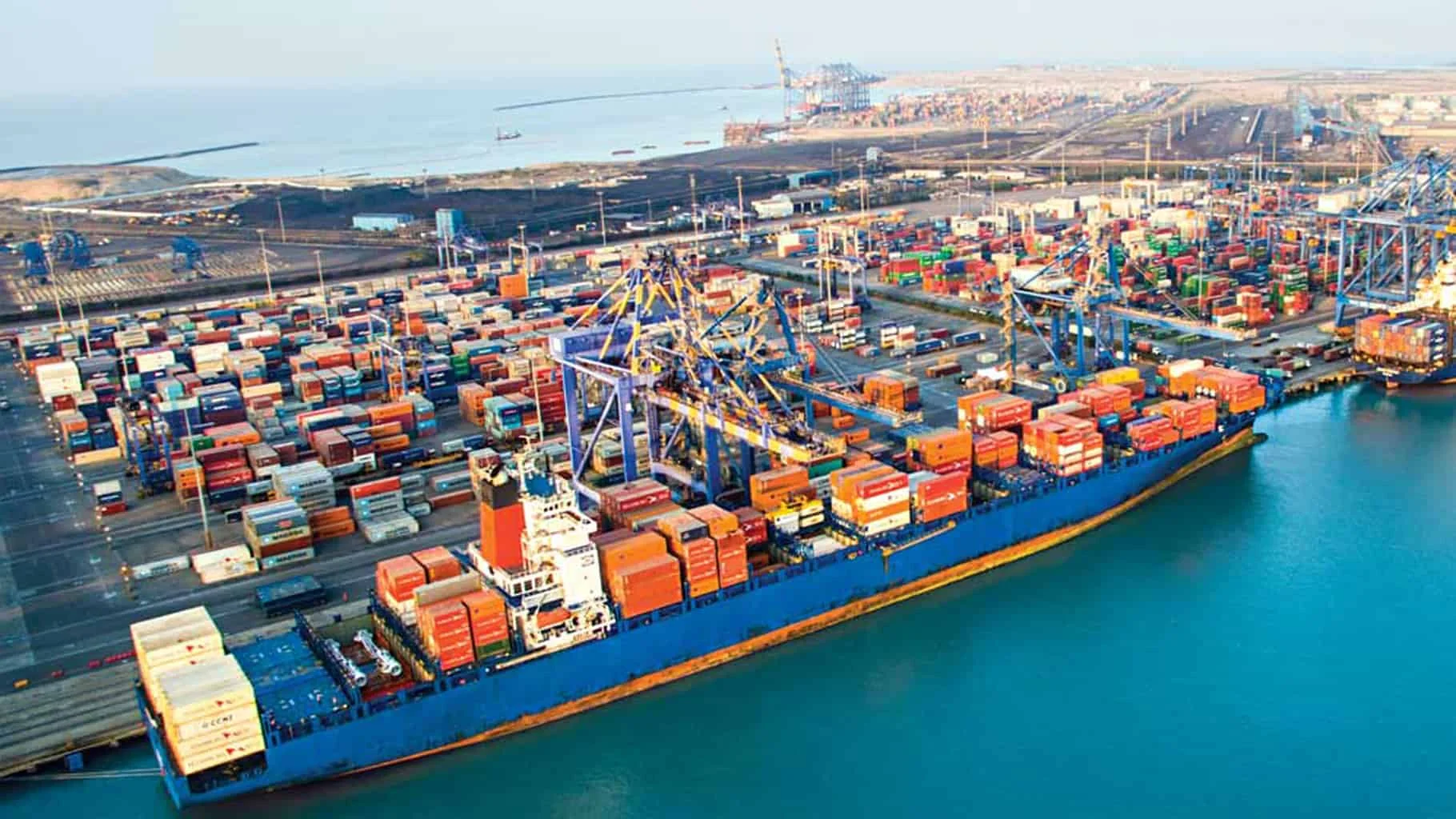
The Coastal Shipping Bill aims to address multiple facets of India’s maritime landscape, which has long struggled with inadequate domestic participation.
By consolidating and amending existing laws, the bill intends to modernise the regulatory environment for coastal shipping, encouraging more Indian enterprises to actively participate in the sector. This will help reduce India’s reliance on foreign operators, allowing the country to exercise greater control over its maritime trade routes. At its core, the bill seeks to equip India with a self-sustaining coastal fleet that meets the growing demands of both national security and commercial needs.
The introduction of the bill comes at a time when the maritime industry is under increasing scrutiny to adopt more sustainable practices, and the bill aligns with the broader vision of transitioning towards a zero-carbon economy. By enabling the development of a fleet that prioritises eco-friendly shipping methods, the bill contributes to the nation’s sustainability goals. Shipping remains one of the most energy-intensive industries, and the focus on domestic fleet management could provide an opportunity to introduce greener technologies and practices, reducing the carbon footprint of maritime transport.
Simultaneously, the session in Parliament will see the presentation of a report by the Standing Committee on External Affairs, which addresses the welfare of the Indian diaspora and migrant workers, issues that are increasingly significant in today’s globalised world. The committee’s report, led by an opposition member, will examine the living conditions of the Indian diaspora overseas, including Non-Resident Indians (NRIs), Persons of Indian Origin (PIOs), and Overseas Citizens of India (OCIs). This is especially relevant in light of India’s evolving foreign policy and its engagement with the global Indian community.
In addition to these discussions, the Union Agriculture Minister will also present a statement regarding the status of recommendations made by the Standing Committee on Agriculture, Animal Husbandry and Food Processing. This statement, which focuses on the implementation of recommendations concerning the Department of Agricultural Research and Education, is likely to provide insights into the government’s ongoing efforts to strengthen India’s agricultural sector. These measures are integral to improving food security and supporting farmers, two areas that remain at the heart of the nation’s economic and social development.
While the Coastal Shipping Bill focuses on the commercial and strategic aspects of India’s maritime industry, its broader impact will be felt across various sectors. If implemented effectively, it could serve as a catalyst for the growth of Indian-owned and operated shipping companies, creating more jobs, increasing domestic production, and contributing to a stronger economy. Furthermore, by prioritising domestic participation in coastal shipping, India can also mitigate the risks associated with foreign dependence on critical trade routes, enhancing both national security and self-reliance.
In conclusion, the Coastal Shipping Bill is a promising step towards modernising India’s maritime industry. By promoting a more sustainable and self-reliant shipping sector, the bill reflects the government’s larger vision for India’s economic growth. It also aligns with the nation’s environmental goals, contributing to a greener, more sustainable future. The legislative move is an important one that underscores India’s ambitions to become a global maritime leader while safeguarding its national interests.
