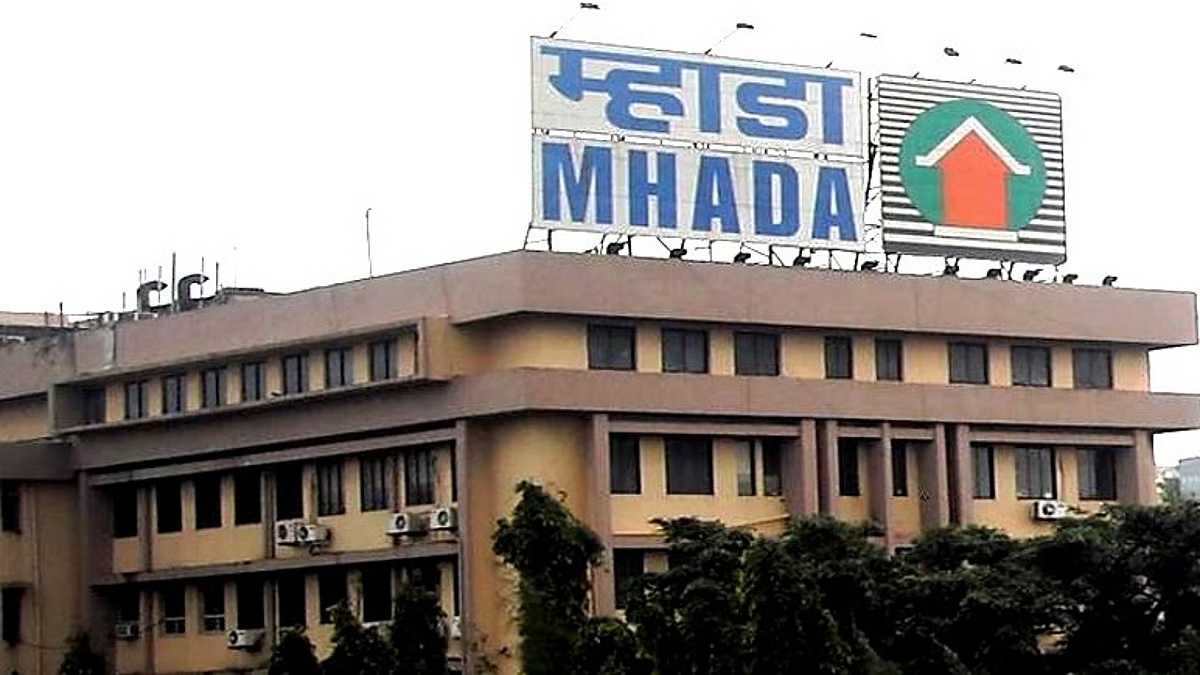
India MHADA Charts Inclusive Sustainable Urban Shift
Maharashtra’s principal housing agency, the Maharashtra Housing and Area Development Authority (MHADA), is repositioning itself as a strategic enabler of large‑scale, inclusive and sustainable urban transformation, signalling a pivotal evolution in regional urban development frameworks that extend beyond conventional housing delivery to integrated city planning and resilient growth.
Under the leadership of its Vice‑President and Chief Executive Officer, MHADA is expanding its remit from traditional affordable housing provision to encompass a broader agenda of urban renewal, social equity and sustainability. This shift reflects a recognition that rapid urbanisation in Maharashtra — particularly in the Mumbai Metropolitan Region (MMR) — demands housing strategies that are people‑centred, environmentally responsible and economically inclusive. At the core of this strategy is a diversified portfolio of interventions, blending large‑scale redevelopment of ageing housing stock, accelerated delivery of new affordable units, and policy initiatives designed to integrate urban infrastructure with housing outcomes. This departure from fragmented project delivery is intended to streamline decision‑making, reduce structural inefficiencies, and promote outcomes that benefit a broad spectrum of residents.
City planners and housing economists note that this approach aligns with global best practices where housing authorities act as urban transformation catalysts, not merely property developers. By overseeing cluster redevelopment — where entire neighbourhoods are revitalised simultaneously — MHADA seeks to rectify longstanding issues of deteriorating built environments and fragmented infrastructure while embedding green building standards and community facilities. A cornerstone of MHADA’s strategic thrust is its emphasis on inclusivity. Recognising that access to secure housing is fundamental to economic opportunity and social stability, the agency’s expanded mandate explicitly includes equitable access across income groups, gender‑neutral allocation policies, and support mechanisms for marginalized communities. This is reflected in initiatives that couple housing development with improvements in public space, transport access and social infrastructure.
Environmental sustainability is another key pillar. Urban redevelopment plans now increasingly consider green construction techniques, energy‑efficient design and climate‑resilient infrastructure to reduce carbon footprints and enhance long‑term liveability. Observers argue that such integration is critical for India’s dense metropolitan regions, which face mounting pressure from climate risks such as heat waves, flooding and pollution. MHADA’s transformation agenda also seeks to address systemic bottlenecks in urban housing markets. By introducing digital workflows for approvals, transparent competitive processes for redevelopment contracts, and enhanced dialogue with private developers and civic bodies, the agency is attempting to balance speed of delivery with accountability and community engagement.
Experts suggest that this broadened institutional role could have ripple effects across urban governance and real estate markets. Cities like Mumbai, Pune and Nashik — where infrastructure strain and housing demand intersect — may benefit from integrated planning models that prioritise affordability, sustainability and equitable access over ad‑hoc growth. Effective execution could also strengthen investor confidence by signalling policy stability and streamlined regulatory pathways for urban projects.
However, stakeholders caution that realising this vision will require sustained political support, cross‑agency coordination, and robust fiscal mechanisms capable of underwriting long‑term development. If these challenges are addressed, MHADA’s evolution could serve as a template for other Indian states striving to reconcile rapid urbanisation with environmental and social imperatives.