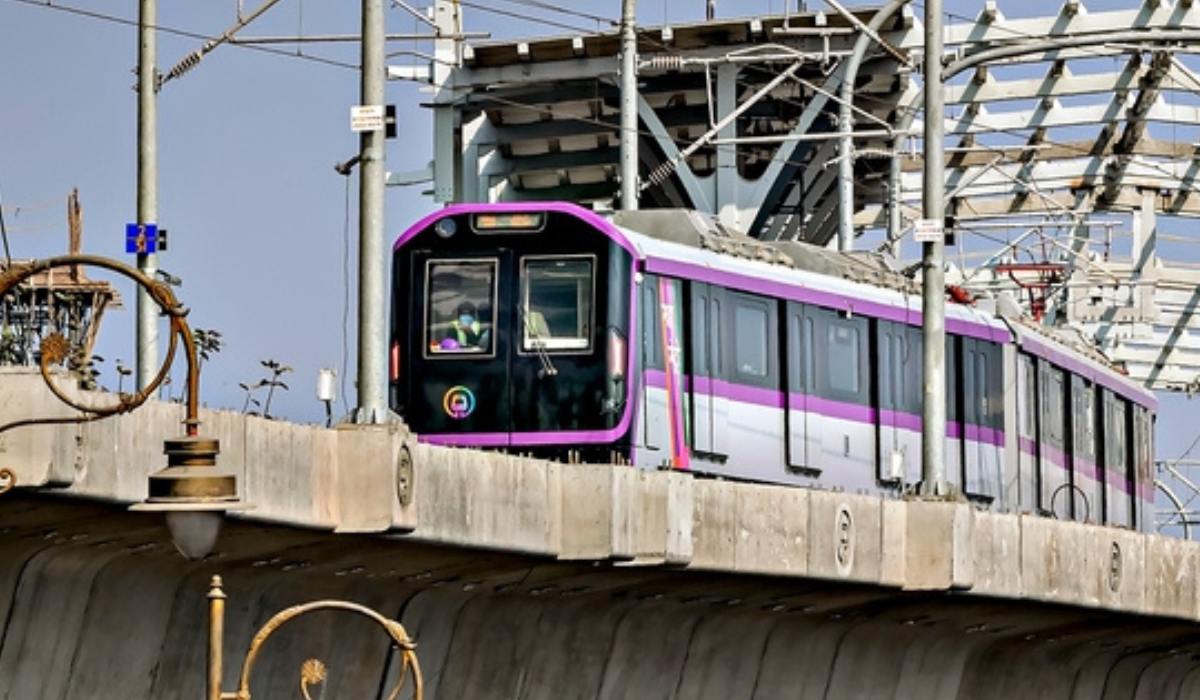
India Metro Line 6 To Open Without Kanjurmarg Depot
Mumbai Metro’s Line 6 — also known as the Pink Line — is poised to begin operations in the second half of 2026 even as land and depot challenges persist, marking a notable shift in how megacity rail projects adapt to delivery constraints and urban mobility demands. The east‑west corridor between Swami Samarth Nagar (Andheri West) and Vikhroli will open with an interim maintenance solution in place, underlining efforts to extend rapid transit benefits despite infrastructure bottlenecks.
Originally conceived with a car depot at Kanjurmarg — essential for overnight stabling, inspection, and major overhauls — Line 6 has faced delays due to pending land clearances and protracted negotiations over depot allotment. With depot construction unlikely to conclude before operations begin, the Mumbai Metropolitan Region Development Authority (MMRDA) plans to inaugurate the line using elevated pit lines near Vikhroli for routine checks and light maintenance, allowing core services to start without waiting for a full depot to be ready. This pragmatic adjustment reflects a broader trend in large infrastructure systems where cities prioritise incremental connectivity gains while working through legacy planning and land acquisition constraints. Line 6’s 15.3 km elevated alignment — threading through densely populated residential and commercial districts — will offer a critical east‑west linkage that has long been lacking in Mumbai’s mostly radial suburban rail and north‑south metro grid.
Urban mobility experts note that the interim maintenance strategy is uncommon but not unprecedented in global rapid transit development, where delays in sideways infrastructure such as depots often risk postponing entire line openings. By deploying eight elevated pit lines near Vikhroli, daily operational checks can proceed, with major overhauls slated for existing facilities elsewhere once the permanent depot is completed. The modular approach enables commuters to access new rapid transit capacity earlier, easing traffic on major arterials and bolstering public transport’s share of urban travel — a key objective in climate‑resilient city planning. The line’s opening is expected to improve connectivity across suburban catchments, complementing other metro extensions scheduled around the same period.
However, analysts caution that a depot’s absence may constrain longer‑term operational flexibility, train frequency and fleet expansion until it is delivered. Land acquisition and clearance remain sensitive and time‑intensive in Mumbai’s tight urban fabric, where competing claims and encumbrances have delayed infrastructure roll‑out.
For transit planners, the Line 6 case illustrates the balancing act between timely service delivery and comprehensive infrastructure provisioning. As the metro network grows, integrating strategic assets — such as depots and maintenance yards — into the phased delivery pathway will be critical to ensuring reliability, scaling capacity and aligning transport investments with equitable urban mobility outcomes.