


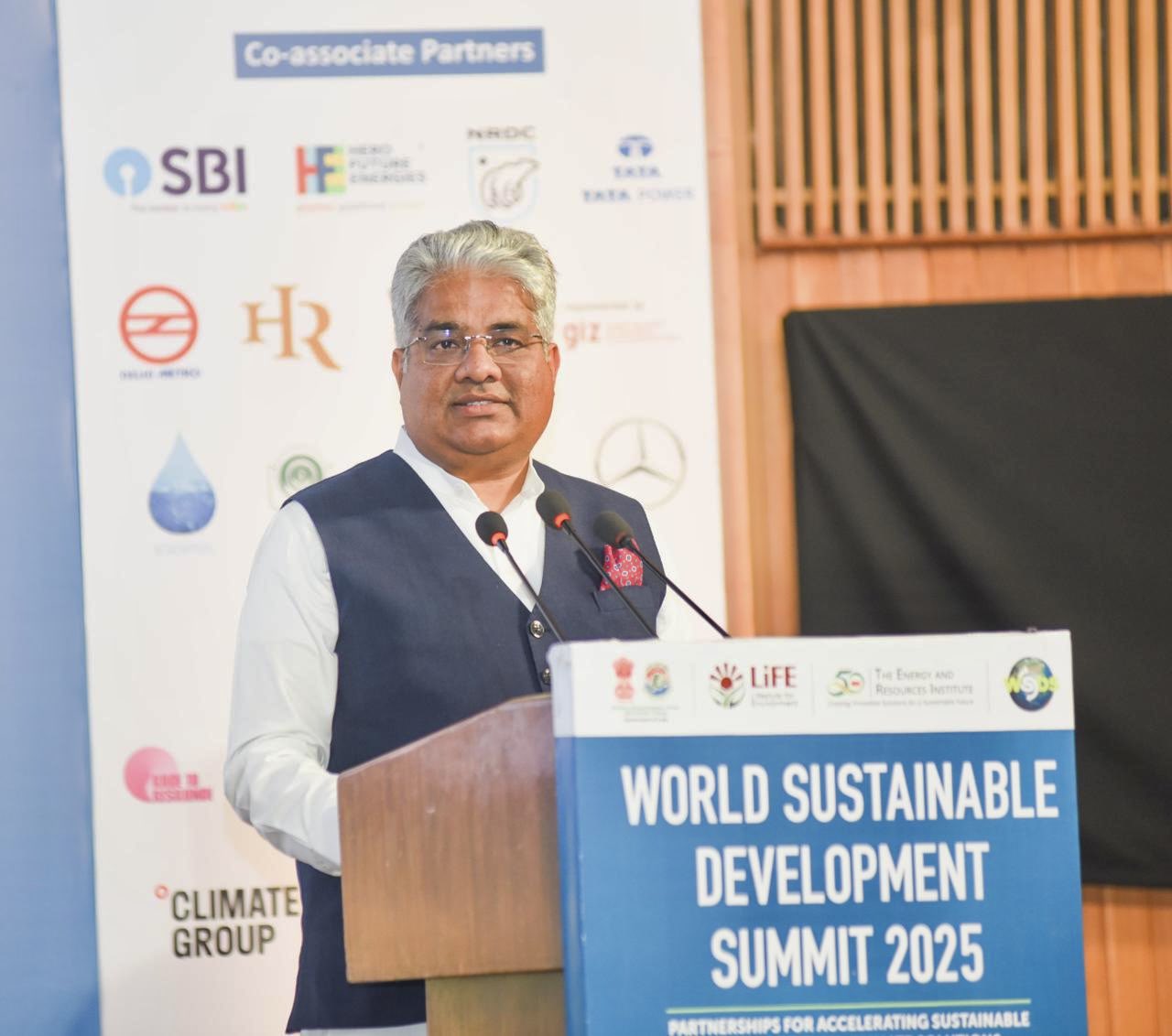
India is positioning itself as a beacon of sustainability and trust.
Union Minister for Environment, Forest and Climate Change, Bhupender Yadav, recently underscored this commitment at the CII Annual Business Summit 2025, highlighting India’s role as the most trusted partner globally in the pursuit of a sustainable future. Minister Yadav emphasized the nation’s strategic shift from a traditional linear economic model—characterized by a ‘take, make, dispose’ approach—to a circular economy that prioritizes resource efficiency, waste reduction, and sustainability. This transformation is underpinned by the government’s introduction of Extended Producer Responsibility (EPR) guidelines across various sectors, including tyres, batteries, plastics, and e-waste, aimed at promoting recycling and sustainable consumption.
The circular economy is projected to be worth $2 trillion by 2050, creating approximately 10 million jobs, as per the Minister’s projections. This ambitious vision aligns with India’s broader goals of enhancing economic competitiveness and fostering innovation in industries. Under the leadership of Prime Minister Narendra Modi, India has launched Mission LiFE (Lifestyle for Environment), a nationwide campaign aimed at promoting sustainable lifestyles and environmental conservation. Complementing this initiative are the Green Credit Rules, introduced to incentivize voluntary actions toward environmental conservation, thereby fostering a culture of sustainability among citizens and industries alike.
Recognizing the multifaceted challenges posed by climate change, India is committed to building resilience through comprehensive adaptation strategies. The government has released the draft framework of the climate finance taxonomy, outlining methodologies for classifying activities under adaptation and mitigation. Additionally, the development of the first National Adaptation Plan, to be submitted to the United Nations Framework Convention on Climate Change (UNFCCC), focuses on enhancing adaptive capacity, strengthening knowledge systems, and reducing exposure to climate risks.
Minister Yadav urged industry leaders to actively participate in building a self-reliant circular economy. He invited them to join the Resource Efficiency and Circular Economy Industry Coalition, launched under India’s G20 Presidency, as a collaborative platform to facilitate knowledge-sharing and sustainable practices. This initiative reflects India’s commitment to fostering global partnerships and collaborative efforts in addressing environmental challenges.
India’s emphasis on a circular economy, coupled with its proactive climate policies and global collaborations, underscores its dedication to a sustainable and equitable future. As the nation continues to lead by example, it sets a precedent for other countries to follow in the collective pursuit of environmental stewardship and economic resilience.
Also Read: Mumbai TVS Jupiter CNG India’s first bi-fuel scooter.
