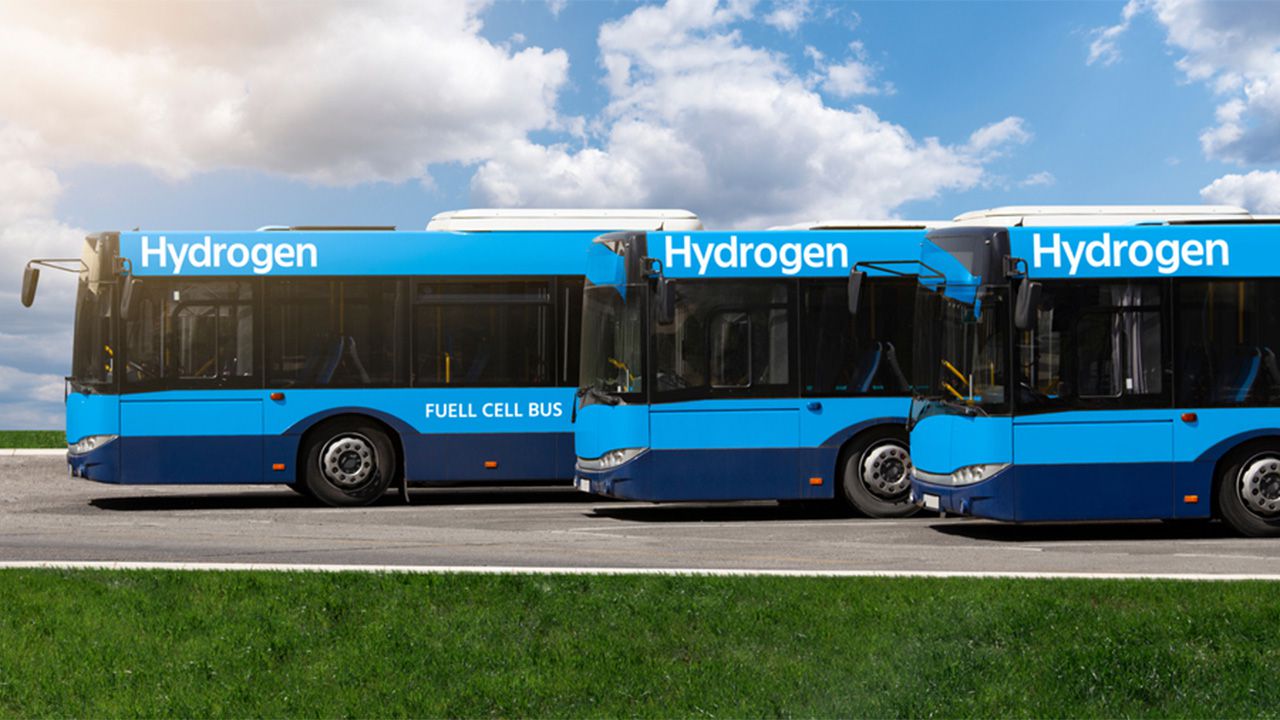
In a historic clean energy milestone, India launched its first-ever hydrogen fuel cell buses for commercial use in Ladakh’s Leh district. Operated at an altitude of over 11,500 feet, the green hydrogen-powered buses mark a key step in India’s net-zero transition. Developed by NTPC, the project aims to cut 350 metric tonnes of carbon emissions annually while generating pure oxygen.
NTPC officially handed over five hydrogen-powered buses to the Ladakh administration’s SIDCO in a ceremony at its Palam-based hydrogen mobility station. The plant—powered by a 1.7 MW solar unit—produces, stores, and dispenses green hydrogen, entirely from renewable energy. Administrative officials called the high-altitude execution a technological milestone, showcasing India’s ability to scale clean mobility in extreme environments.
Chief Secretary Pawan Kotwal praised the pioneering deployment of hydrogen mobility in Leh, calling it a template for other regions. He stressed the need to document and replicate the lessons from operating hydrogen buses in mountainous terrain. Transport department officials confirmed the buses have cleared all operational trials and are ready for commercial service in the world’s highest bus-operating environment.
The Ladakh hydrogen mobility initiative is expected to prevent 350 metric tonnes of CO₂ emissions annually and produce 230 metric tonnes of pure oxygen—equivalent to the oxygen yield of planting approximately 13,000 trees. Officials noted that the initiative not only contributes to local carbon neutrality but also places India on the global map for high-altitude renewable transport solutions.
NTPC, India’s largest power utility, is steering a major shift to renewables, with 9.6 GW of green capacity under construction and a goal of 60 GW by 2032. The hydrogen bus project in Ladakh is a critical component of this transition. It also aligns with India’s National Hydrogen Mission, aiming to make the country a global leader in green hydrogen innovation.
With hydrogen buses now operating in the rugged terrain of Ladakh, India has taken a bold step toward decarbonising public transport in extreme environments. This project signals the growing role of renewable innovation in India’s net-zero roadmap. As NTPC and state authorities plan wider adoption, the Ladakh model may soon inspire similar hydrogen-driven initiatives across other climate-sensitive and remote regions of the country.