


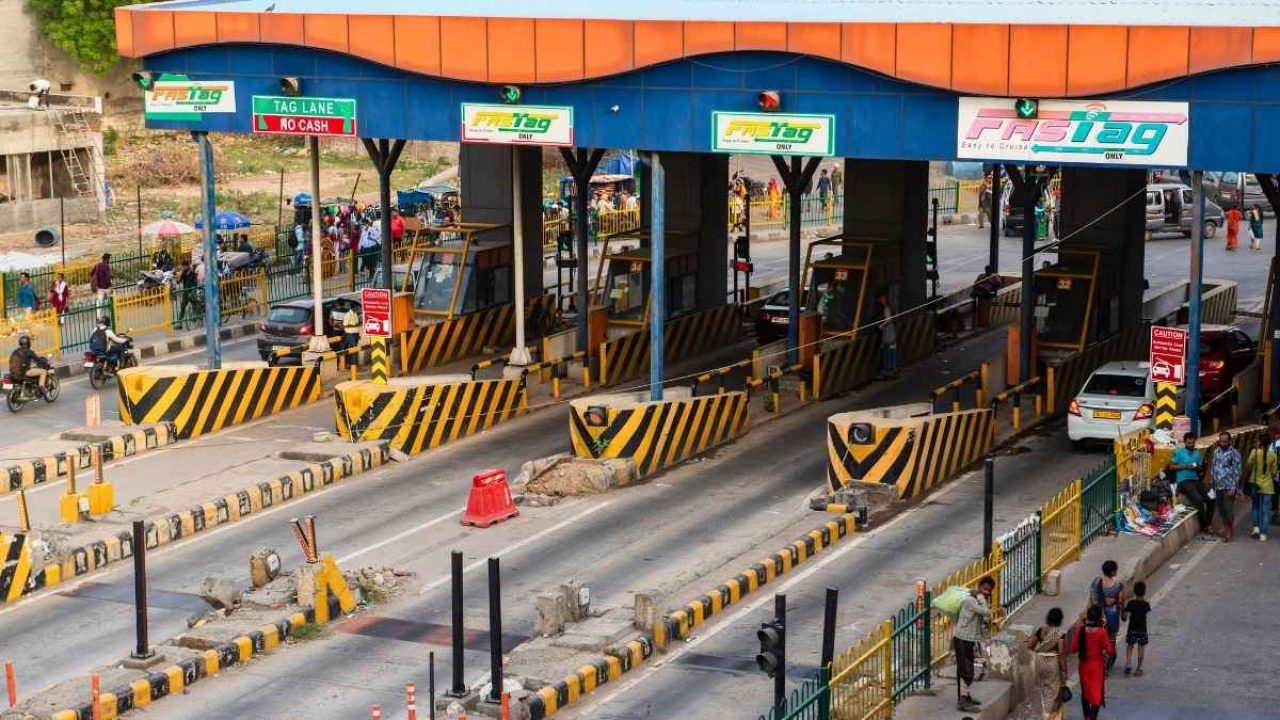
From 15 August 2025 travellers on India’s national highways will benefit from a prepaid FASTag Annual Pass, announced by Road Transport and Highways Minister. The scheme, priced at Rs 3,000 annually, enables private vehicles up to 200 toll-free trips or unlimited usage across national highways and expressways, reducing both the cost and friction of highway travel. This pass integrates with existing FASTag RFID systems linked to owners’ bank or prepaid accounts.
Once activated, it eliminates the need for individual trip payments and frequent reloading, while significantly cutting queues at toll plazas—a move that echoes the Centre’s push for cashless, zero-carbon infrastructure. According to the Road Ministry, commuters who pay regular tolls may see up to 70 % savings over a year. The scheme is tailored for heavy users—frequent travellers, daily commuters, and long-distance drivers—offering average trip costs at just Rs 15 each, compared with typical tolls of Rs 50–Rs 120. It is valid only on NHAI-operated toll plazas; state or private tolls continue with normal rates. Activation will be fully online via the NHAI or FASTag portal, making it accessible without additional documentation.
This Annual Pass is part of a broader transition away from manual toll collection. A parallel “pay-as-you-go” option—Rs 50 per 100 km—is also being considered. As physical toll barriers are phased out in favour of ANPR and RFID systems, vehicle stoppages will become rare, easing flow and lowering fuel consumption. The government plans to compensate toll-collecting agencies for projected revenue losses under this scheme, safeguarding investor confidence and ensuring continued infrastructure investment.
Experts note the FASTag Annual Pass is a strategic nudge toward sustainable, equitable transport. By reducing halt-related emissions and facilitating faster journeys, the initiative aligns with zero-carbon goals. “It promotes digital adoption while shrinking the carbon footprint at toll plazas,” said a sector analyst. Transport planners also highlight urban-rural equity benefits, as the uniform pricing model doesn’t penalize long-distance commuters, and administrative simplicity lowers entry barriers.
Financial viability hinges on adoption rates. While frequent road users clearly benefit, occasional travellers may find the one-time fee steep—though the distance-based model offers flexibility. Toll agencies’ revenue forecasts and passenger behaviour analytics will shape final rollout decisions. Moreover, as India pilots satellite-based tolling for commercial vehicles, robust policy frameworks and surveillance safeguards will be essential. Yet the immediate priority is implementing the National Expressway Authority’s ANPR systems to eliminate physical bottlenecks. Further rollout may see this scheme expand to state highways and urban ring roads, advancing the vision of a unified, digital-first highway network.
Also Read: Delhi Bans Fuel for Old Polluting Vehicles
