


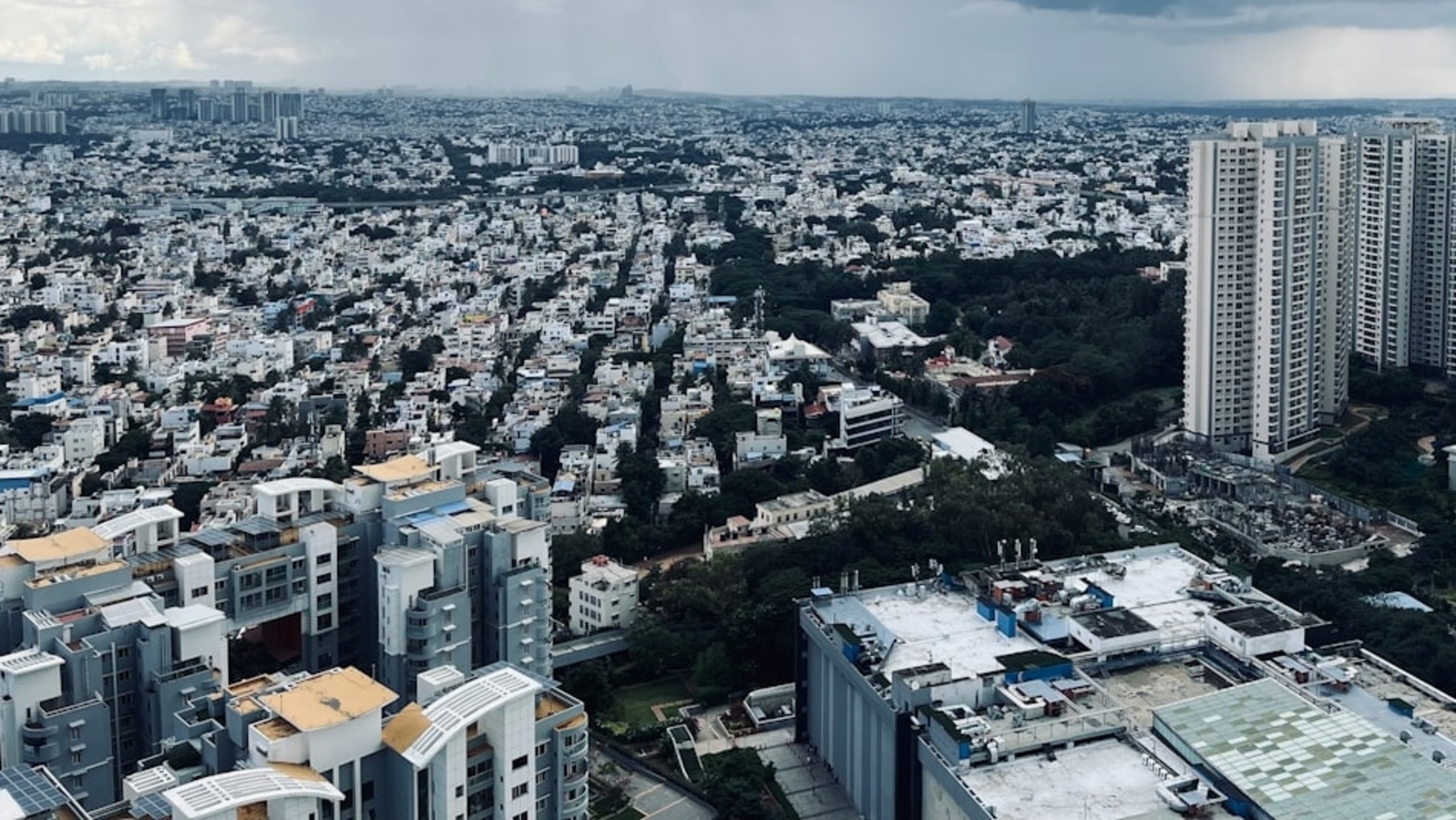
India’s suburban property markets are undergoing a structural shift as transport infrastructure projects begin to compress distance, time, and economic access. Ferry networks, express highways, and expanding metro systems are collectively redefining where people can live, work, and invest reshaping urban growth patterns beyond traditional city cores.
This transformation is not confined to commuting convenience. Urban planners and market analysts note that improved mobility is reordering residential demand, unlocking land value in peripheral regions, and influencing how cities manage density, sustainability, and inclusive growth. Infrastructure-led expansion is increasingly determining which suburbs mature into self-sustaining urban clusters. Along the western coast, passenger ferry services are changing the residential logic of coastal settlements. Faster sea routes have brought towns once viewed as leisure destinations within daily commuting range of major employment centres. Industry experts observe that this shift is encouraging permanent settlement rather than short-term tourism, with early signs of planned housing and local service economies emerging alongside waterfront development. The challenge, planners caution, lies in ensuring that coastal growth remains climate-resilient and does not overwhelm fragile ecosystems. Road infrastructure is driving an even broader redistribution of urban activity. New expressways and sea links have sharply reduced travel times between core cities and satellite regions, creating development corridors rather than isolated suburbs. Logistics, warehousing, and light manufacturing clusters are emerging along these routes, supported by housing demand from workers and service providers. According to urban economists, such corridors can ease pressure on congested city centres if paired with social infrastructure and public transport integration. Highway connectivity has also altered lifestyle choices.
Improved access has made secondary towns viable for hybrid work arrangements, allowing households to trade longer commutes for more space and affordability. This trend is visible across multiple states, where peripheral markets are transitioning from speculative land plays to end-user driven housing zones. Mass rapid transit remains the most direct catalyst for suburban transformation. Metro rail expansions across major metropolitan regions are intensifying development around stations, accelerating rental demand and encouraging mixed-use planning. Areas once dismissed as distant or under-served are becoming residential anchors due to predictable travel times and lower transport costs. Urban policy specialists highlight that metro-led densification, when well-regulated, can reduce car dependency and support lower-emission urban growth. The combined effect of these investments is the emergence of infrastructure driven property markets zones where connectivity, rather than proximity alone, defines value. For cities, this presents both opportunity and responsibility. While improved access can distribute growth more evenly, it also requires coordinated planning to ensure affordable housing, resilient infrastructure, and equitable access to services.
As India continues to invest heavily in transport systems, the long-term success of infrastructure driven property markets will depend on how effectively mobility projects are integrated with land use planning. The next phase of urban development will be judged not by how fast people move, but by how sustainably cities expand around that movement.
Also Read: Sundaram Alternates Scales Conservative Housing Credit Strategy
India Infrastructure Build Alters Suburban Real Estate
