


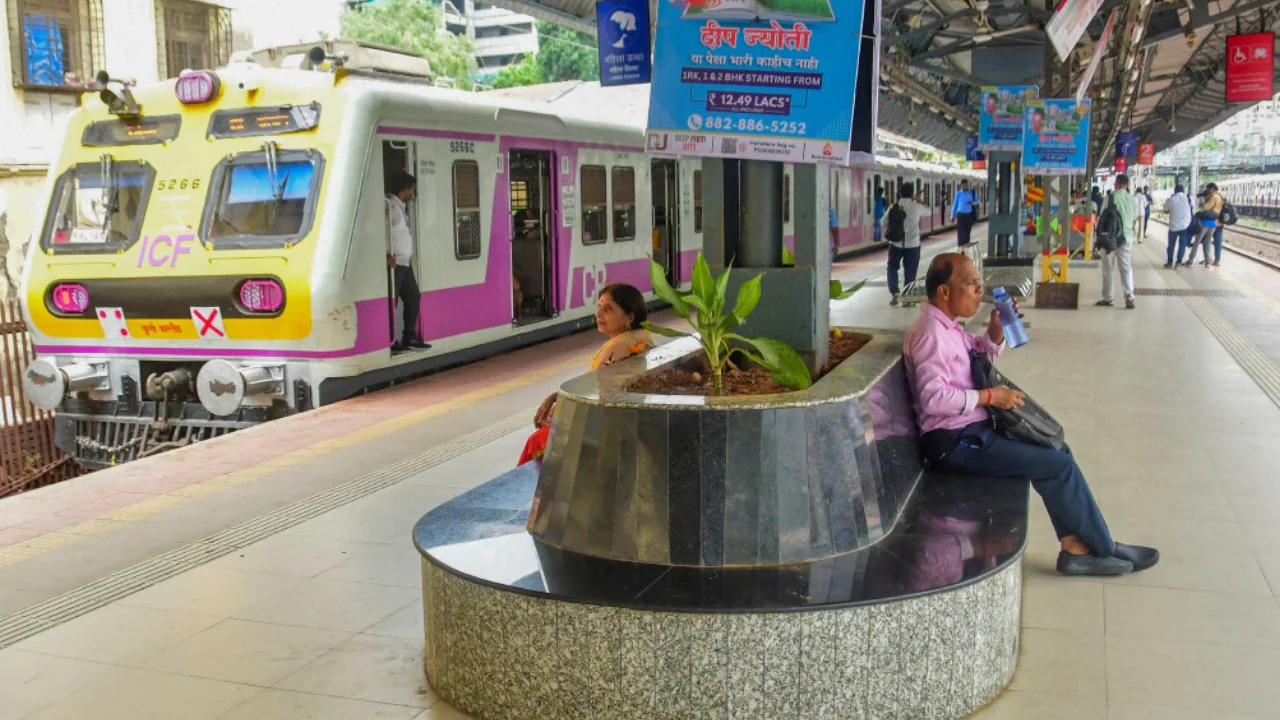
103 Amrit Bharat railway stations across the country, including 19 in Uttar Pradesh, were inaugurated on Thursday by Prime Minister Narendra Modi and Chief Minister Yogi Adityanath.
This monumental infrastructural upgrade transcends mere cosmetic enhancements; it marks a strategic commitment to transforming India’s public transport paradigm into a cornerstone of sustainable, inclusive, and eco-friendly urban development. These redeveloped stations are designed to integrate state-of-the-art amenities with a keen focus on environmental responsibility and equitable access, symbolising a “New India” that harmonises heritage with a resolute drive for progress. The revitalised stations boast a suite of modern facilities engineered for enhanced passenger comfort and operational efficiency. These include contemporary waiting rooms, advanced escalators, and lifts, all contributing to a seamless travel experience. Crucially, a standout feature across these stations is the integration of green energy-based infrastructure. This commitment to renewable power sources, such as solar installations, aligns directly with India’s ambitious targets for carbon footprint reduction and energy independence, positioning these railway hubs as beacons of sustainable urbanisation. By harnessing clean energy, these stations not only reduce their operational emissions but also contribute to the broader environmental resilience of the cities they serve.
Beyond technological advancements, the Amrit Bharat Station scheme places a strong emphasis on fostering an equitable and inclusive travel environment. Each redeveloped station incorporates dedicated amenities for the differently-abled, ensuring barrier-free access and dignity for all passengers. The provision of lifts and escalators significantly improves accessibility, particularly benefiting the elderly, individuals with mobility challenges, and families navigating the stations with luggage or young children. Furthermore, modern digital displays enhance information dissemination, making travel more transparent and less daunting for every commuter, irrespective of their background or individual needs. These stations are envisioned as more than just transit points; they are emerging as cultural and economic catalysts for their respective regions. With architectural designs that subtly showcase local heritage, they promote regional identity and pride. The improved connectivity and enhanced passenger experience are poised to significantly boost local economies, stimulating commercial activity around these upgraded hubs. This includes creating new opportunities for small businesses and generating employment, thereby contributing to inclusive economic growth that benefits diverse communities within the stations’ catchment areas.
As Chief Minister Yogi Adityanath articulated, these stations embody “New India’s blend of heritage preservation, development resolve, and the synergy of speed and pride.” This vision reflects a forward-looking approach that respects the nation’s rich cultural tapestry while embracing modern, sustainable practices essential for building future-ready urban environments. The list of revamped stations in Uttar Pradesh – including key locations like Saharanpur, Bareilly City, and Siddharthnagar – underscores the widespread impact of this initiative, ensuring that the benefits of modernisation reach diverse geographic areas. In essence, the Amrit Bharat railway stations represent a holistic transformation of India’s railway infrastructure. They are not merely structures but dynamic urban gateways that champion environmental sustainability, ensure equitable access, and drive socio-economic development. This concerted effort reinforces the pivotal role of public transport in achieving India’s broader developmental goals, charting a course towards smarter, greener, and more inclusive cities for generations to come.
Also Read: Mumbai Night Train Block Between Bhayandar and Borivali Announced
