


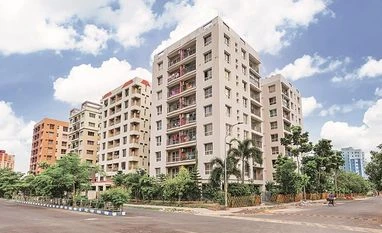
India’s residential property market is showing signs of structural maturity after an extraordinary post-pandemic surge, with sales volumes and prices now expanding at a measured and sustainable pace rather than the rapid acceleration seen in recent years. Senior industry leadership indicates that demand conditions remain resilient across major urban centres, dispelling concerns of an imminent slowdown.
Market participants describe the current phase as a transition from recovery-driven exuberance to steadier, fundamentals-led growth. Following two years of sharp price appreciation and elevated transaction volumes after Covid-related disruptions, the housing sector appears to have entered a more balanced cycle where demand remains firm but speculative momentum has eased. This stabilisation is visible across leading metropolitan regions including the Mumbai Metropolitan Region, Delhi-NCR, Bengaluru, Pune, Hyderabad, and Chennai. While aggregate unit sales in some cities moderated during the past calendar year, transaction values continued to rise, reflecting sustained buyer confidence, higher ticket sizes, and an increased preference for well-located, amenity-rich housing. Developers report consistent absorption in both apartments and plotted developments, including in select tier-II markets where infrastructure upgrades and affordability advantages are attracting end-users. Urban planners view this diversification as a healthy signal, easing pressure on megacities while supporting more distributed urban growth.
Operational performance indicators within the organised real estate sector further reinforce the narrative of stability. Sales bookings, customer collections, project deliveries, and new project additions are tracking in line with annual expectations for several large developers. Importantly, business development activity remains robust, suggesting confidence in future housing demand rather than defensive consolidation. From a financial standpoint, profitability growth despite uneven revenue recognition underscores improved cost discipline, phased construction strategies, and tighter inventory management. Analysts note that developers are increasingly prioritising capital efficiency, faster execution, and asset-light expansion models over aggressive land banking. For cities, the move toward steadier housing growth carries broader implications. A more predictable market supports long-term infrastructure planning, reduces volatility in construction employment, and aligns better with sustainability objectives such as transit-oriented development and lower-carbon building practices. It also creates space for policy interventions focused on rental housing, redevelopment, and mid-income affordability rather than crisis-driven stimulus. However, experts caution that affordability pressures remain a concern, particularly for first-time buyers in core urban locations. Interest rate movements, land availability, and regulatory clarity will play a decisive role in determining whether housing supply can keep pace with genuine end-user demand.
As India’s housing market settles into this next phase, the emphasis is shifting from rapid expansion to durability where steady absorption, responsible pricing, and timely delivery become the defining metrics of success for both developers and cities.
Also Read: Mumbai Real Estate Revenue Rises on Premium Shift
India Housing Sector Finds New Growth Equilibrium
