


India’s residential property market closed 2025 on a note of resilience, even as shifting buyer preferences and rising costs reshaped the structure of demand across major cities. While overall home sales across the country’s largest urban markets saw a marginal dip, the year marked a decisive transition toward higher-value housing, signalling deeper changes in affordability, urban aspirations and supply economics.
Housing transactions across eight major cities remained near historic highs, crossing 3.4 lakh units for the year. Notably, the second half of 2025 emerged as one of the strongest periods for residential absorption in over a decade, underscoring sustained end-user confidence despite elevated prices. Market observers point out that this stability reflects strong employment visibility, improved household balance sheets and greater willingness among buyers to commit to long-term assets. Large metros continued to anchor national demand. Mumbai retained its position as the country’s most active residential market, supported by limited land availability and continued interest in redeveloped and infrastructure-linked neighbourhoods. Southern cities such as Bengaluru and Chennai demonstrated steady to improving absorption, reflecting technology-led employment growth and expanding urban corridors. In contrast, northern markets experienced selective moderation as buyers weighed higher prices against value and delivery certainty. Price appreciation remained a defining feature of the year. Residential values increased across all major cities, driven by higher land acquisition costs, rising construction inputs and a growing share of premium project launches. Urban economists note that while price growth has moderated from post-pandemic peaks, it is now structurally embedded in well-connected micro-markets where infrastructure investment and employment density intersect.
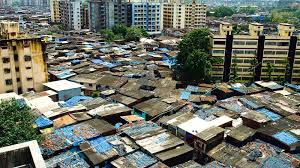
The most striking shift, however, was visible in the composition of sales. Homes priced above Rs 1 crore accounted for nearly half of all transactions in 2025, reflecting a clear upgrade cycle among urban households. Buyers increasingly prioritised larger homes, better amenities and locations aligned with work-life efficiency. In contrast, the affordable housing segment continued to contract, with its share of sales shrinking sharply over the past three years. This trend has important implications for inclusive urban development. Industry experts point out that rising land prices, compliance costs and financing constraints have made affordable housing increasingly difficult to deliver at scale within city limits. As a result, lower-income households risk being pushed toward peripheral areas unless supported by transit-oriented planning and policy-led incentives. Despite the skew towards higher-ticket homes, overall market health remained balanced. Unsold inventory levels rose only marginally and remained within comfortable absorption timelines, reflecting disciplined supply additions and cautious developer strategies.
Looking ahead, analysts expect 2026 to be characterised by measured growth rather than rapid expansion. Stable demand, selective price appreciation and tighter project selection are likely to define the next phase. For cities, the challenge will be ensuring that growth remains equitable balancing premium housing demand with the urgent need for accessible, climate-resilient urban homes.
Also Read: Pune Residential Demand Moderates Amid Price Pressures
India Housing Demand Tilts As Affordable Supply Narrows
