


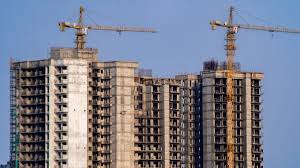
India’s leading listed real estate developers are entering the second half of the financial year with sales momentum largely intact, despite volatility in equity markets and tighter project approval timelines. Market assessments indicate that residential demand has remained resilient across major urban centres, enabling large developers to stay broadly aligned with their FY26 business targets.
Industry analysts tracking housing activity across metropolitan regions say buyer interest continues to favour established brands, particularly in projects offering timely delivery, transparent governance, and access to social infrastructure. This trend has helped cushion developers from fluctuations in investor sentiment, even as share prices across the realty sector have faced intermittent pressure in recent months. Data reviewed by sector watchers suggests that pre-sales volumes for the December quarter are likely to mark the third consecutive period of stable performance for several large players. Demand has been supported by a combination of end-user purchases and long-term investors, with mid-income and premium housing segments both contributing meaningfully. In cities such as Mumbai, Bengaluru, Pune and Delhi-NCR, branded housing projects have benefited from improved project execution discipline and better alignment with evolving household preferences. However, while demand remains firm, supply-side constraints are emerging as a critical variable. Urban planners and developers point to regulatory approvals, land-use clearances, and environmental permissions as factors influencing the timing of new launches. In several cases, projects initially scheduled for release during the quarter have been deferred, pushing revenue recognition into subsequent periods without weakening underlying buyer appetite. From a city development perspective, this supply lag underscores the importance of predictable and efficient approval mechanisms. Experts argue that delayed housing supply can intensify affordability pressures in high-demand corridors, especially in employment-linked micro-markets.
At the same time, it presents an opportunity for cities to recalibrate approval processes to prioritise climate-resilient construction, efficient land use, and transit-oriented development. Large developers with diversified land banks and strong balance sheets appear better positioned to navigate these challenges. Analysts expect some players to report record quarterly pre-sales, driven by a mix of sustained sales from ongoing projects and selective new launches. This performance reflects a structural shift towards organised developers as buyers increasingly value financial stability, compliance, and long-term maintenance assurance. The broader implication for India’s urban housing landscape is significant. Stable residential demand supports construction employment, allied manufacturing, and municipal revenues, reinforcing housing’s role as an economic anchor. At the same time, the emphasis on branded developments highlights the need for inclusive growth strategies that ensure affordability and access for a wider segment of urban residents.
Looking ahead, industry observers suggest that the sector’s trajectory will depend on how effectively cities balance housing supply, infrastructure capacity, and environmental considerations. If approvals keep pace with demand and projects integrate energy efficiency and resilient design, India’s housing market could remain a steady contributor to sustainable urban growth through FY26 and beyond.
Also Read: House Of Abhinandan Lodha Expands MMR Housing Footprint
India Housing Demand Supports Listed Realty Performance
