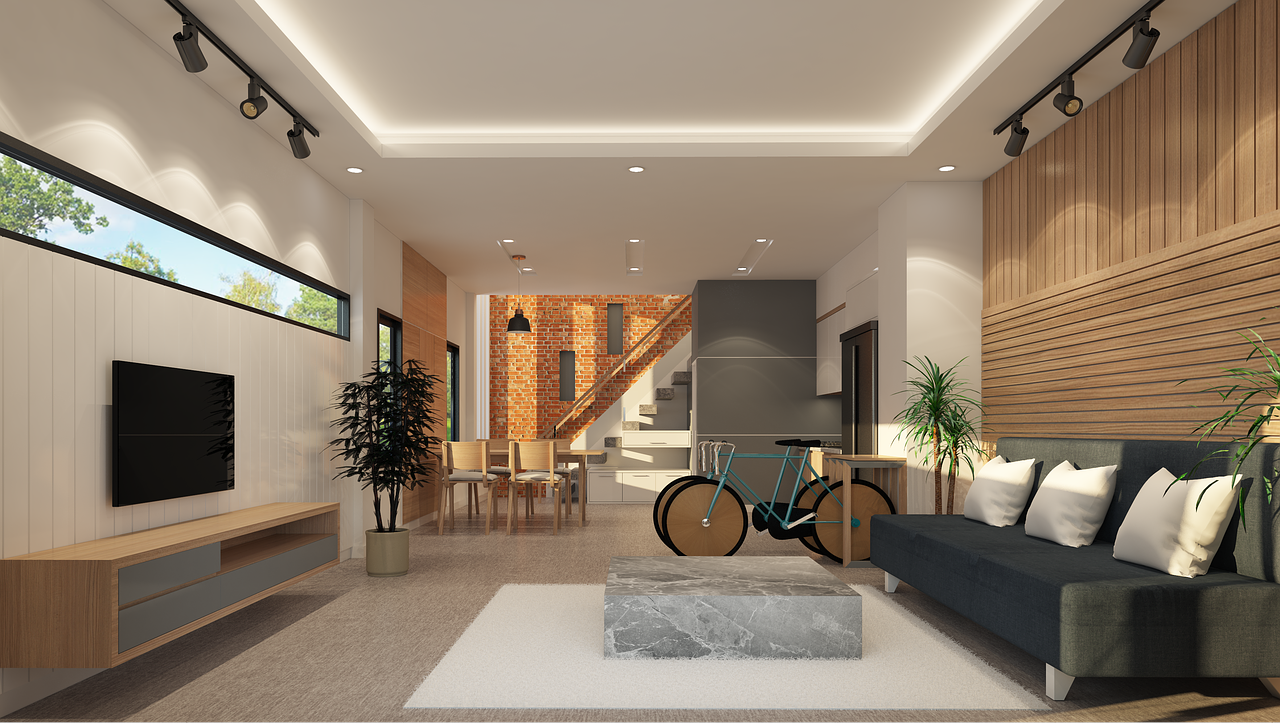
India Home Interiors Market Expansion Expected To Reach 2.75 Lakh Crore 2030
India’s home interiors sector is entering a phase of rapid expansion, with market size expected to more than double from ₹1.27 lakh crore in 2024 to ₹2.75 lakh crore by 2030, according to recent research by Magicbricks. Tier-2 cities are leading this growth trajectory, with a compound annual growth rate of 19%, nearly double the 12% projected for Tier-1 cities, indicating a shift in demand from metropolitan areas to emerging urban centres.
Resale homes are the key drivers in these markets, accounting for 82% of interior demand. Homeowners increasingly prefer modular furniture, smart storage, and contemporary design solutions to upgrade existing properties. Average expenditure per home in Tier-2 cities stands at ₹3.9 lakh—approximately 74% of Tier-1 spends—demonstrating rising design sophistication and aspirations among middle-income households.A senior Magicbricks official highlighted, “The surge in Tier-2 interiors demand reflects a profound change in consumer behaviour. Homes are no longer just living spaces; they are becoming highly personalised, functional, and design-driven environments. These cities are emerging as powerful engines for the next phase of growth in India’s interiors market.”
Lifestyle changes, urbanisation, higher disposable incomes, and digital influence from social media platforms like Instagram and YouTube are accelerating demand for modern interiors. Bedrooms and living areas continue to attract the highest spending as families prioritise spaces that combine aesthetics with utility. Cities such as Lucknow, Jaipur, Kochi, and Goa are witnessing significant traction, fueled by strong real estate activity and adoption of turnkey interior solutions.The market is also witnessing a structural shift from traditional carpenter-made furniture to modular, factory-finished components, which now constitute 45% of overall spending. Online furniture platforms are expanding rapidly, particularly in Tier-2 cities where offline retail options are limited, and consumers are increasingly confident in e-commerce purchases.
On a global scale, India currently ranks 19th in furniture exports but shows considerable potential for scaling through modular design, customisation, and value-added manufacturing. While China remains the global leader, India’s growing domestic demand, coupled with design innovation in emerging cities, offers a clear growth pathway. Analysts suggest that embedding sustainable materials and energy-efficient manufacturing processes could further align this sector’s growth with the vision of inclusive, eco-friendly urban living.