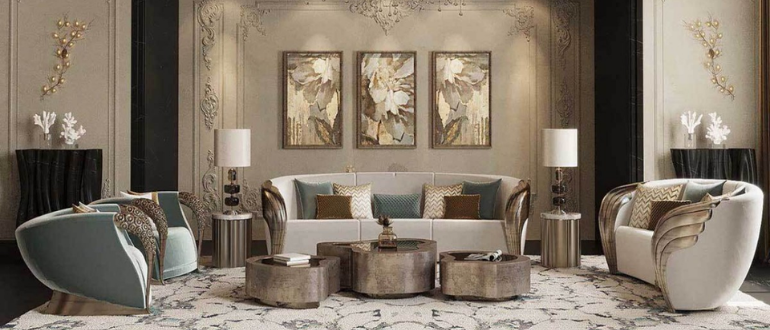
India Home Furnishing Demand Expands With Urbanisation
India’s home furnishing market is poised for notable expansion over the coming decade, driven by rising urbanisation, growing disposable incomes and evolving lifestyle preferences that place greater emphasis on interior comfort, design and sustainability. While exact global CAGR figures vary by source, multiple industry analyses underscore how Indian households are increasingly investing in products that serve both functional and aesthetic purposes in modern living spaces.
A growing middle class in metropolitan and tier‑II cities is a central driver of demand. Consumers are upgrading homes with modular furniture, wall decor, soft furnishings and multifunctional pieces that make efficient use of limited space — a common feature of contemporary urban apartments. This shift reflects broader changes in housing patterns and lifestyle aspirations, with interior design and home comfort emerging as key indicators of quality of life.Market research suggests that the broader Indian home furnishing segment — which includes furniture, textiles, wall decor and complementary items — has already reached substantial revenue levels and is expected to maintain robust growth. One forecast projects the market to grow at a CAGR in double digits through 2030, with substantial expansion in both indoor and outdoor furnishing categories. Digital retail and omnichannel strategies have widened access to design‑led products, enabling consumers in smaller cities and towns to purchase curated furnishings that were once limited to premium urban markets. E‑commerce platforms combined with physical experience centres are playing a pivotal role in this transformation.
Urban planning and real estate development trends are boosting this segment further. New residential launches and renovation activity among existing homeowners fuel demand for furnishings that align with modern design trends, smart storage solutions and sustainability priorities. Eco‑friendly materials, reclaimed wood, bamboo‑based textiles and low‑impact manufacturing are increasingly valued by conscious consumers, reflecting global design movements that prioritise material reuse and reduced carbon footprints.Government initiatives that support domestic manufacturing and export competitiveness — such as production‑linked incentive schemes and Make in India campaigns — have also contributed to a more vibrant local furnishing ecosystem. Domestic brands are expanding manufacturing capacities while global players explore sourcing partnerships that tap into India’s skilled craftsmanship and cost efficiencies. Such collaborations enhance the availability of quality products and solidify India’s role in global supply chains for home furnishings.
However, the sector faces challenges that could temper growth. Supply chain bottlenecks, raw material price volatility and certification compliance requirements can raise production costs. At the consumer end, price sensitivity and competition from informal vendors mean that brands must balance design innovation with affordability.Gone are the days when furnishings were considered occasional purchases; today they are lifestyle investments that reflect personal tastes and residential aspirations. As India’s urban population expands and housing trends evolve, the home furnishing market is expected to grow in tandem, stimulating interior design services, retail footprints and manufacturing clusters. Fostering sustainability and circularity in materials and production processes will be crucial for aligning this growth with long‑term environmental goals.