India Home Elevator Design Focus Shifts To Interiors
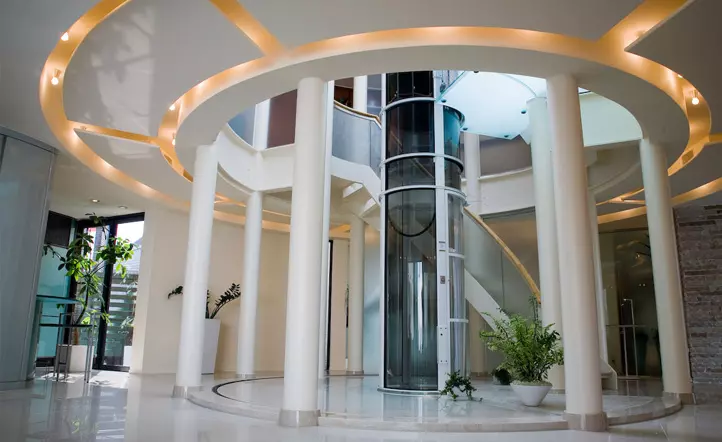
India’s premium housing and interiors market is witnessing a subtle but significant shift, as residential elevators evolve from purely functional installations into design-led elements that integrate seamlessly with home interiors.Global trends in the luxury home elevator segment indicate rising demand for customisable cabin interiors, with companies like Luxury Home Elevator highlighting how design flexibility is becoming central to residential mobility solutions. Luxury Home Elevator The focus is increasingly on aligning elevator aesthetics with broader interior themes, particularly in high-end homes and villas.
Modern elevator cabins now offer a wide range of customisation options, including wall panels in wood, glass, or laminate finishes, alongside tailored lighting, handrails, and accessories. These features allow homeowners to design elevator interiors that complement living spaces rather than stand apart as mechanical installations. This shift reflects a broader transformation in India’s urban housing landscape. As residential developments become more design-conscious, especially in metropolitan and luxury segments, every component of the built environment is expected to contribute to a cohesive spatial experience. Elevators—once hidden utilities—are increasingly visible within living areas, making their design integration more critical.Industry experts note that this trend is particularly relevant in multi-level homes, luxury apartments, and gated villa developments. In such settings, elevators are not just accessibility tools but also indicators of lifestyle and convenience. Custom interiors—ranging from minimalist glass cabins to richly detailed wood-panelled designs—are being used to reinforce architectural identity and personal taste.
The rise in demand for customisation is also linked to changing consumer expectations. Today’s homeowners are seeking personalised environments that reflect their preferences, from flooring materials to lighting ambience. Elevator cabins are becoming an extension of this philosophy, offering bespoke design possibilities that align with the rest of the home. From a technical perspective, advances in materials and engineering have made such customisation more accessible. Stainless steel, glass, and composite materials allow for durable yet visually refined finishes, while LED lighting and smart controls enhance both usability and aesthetic appeal. For India’s urban development ecosystem, the trend signals a deeper convergence between infrastructure and interior design. As cities expand and housing typologies evolve, vertical mobility solutions are becoming integral to residential planning—not just in terms of function but also design value.
Sustainability considerations are also entering the conversation. Durable materials and long-lasting finishes reduce replacement cycles, while energy-efficient lighting and systems contribute to greener homes. In premium developments, these features are increasingly positioned as part of climate-resilient and resource-conscious living.Looking ahead, the integration of design and mobility is likely to define the next phase of residential innovation. As India’s housing market moves towards more holistic and experience-driven design, elements such as elevators will play a growing role in shaping not just how homes function—but how they feel and perform over time.