Maharashtra Lift Safety Reform Expands Local Inspections
In India’s evolving residential market, traditionally utilitarian systems such as elevators are being reimagined as lifestyle and design elements rather than mere vertical transport utilities. Homeowners, architects and mobility specialists say the shift reflects broader trends in urban living spaces where aesthetic integration and experiential design are gaining ground alongside core performance.
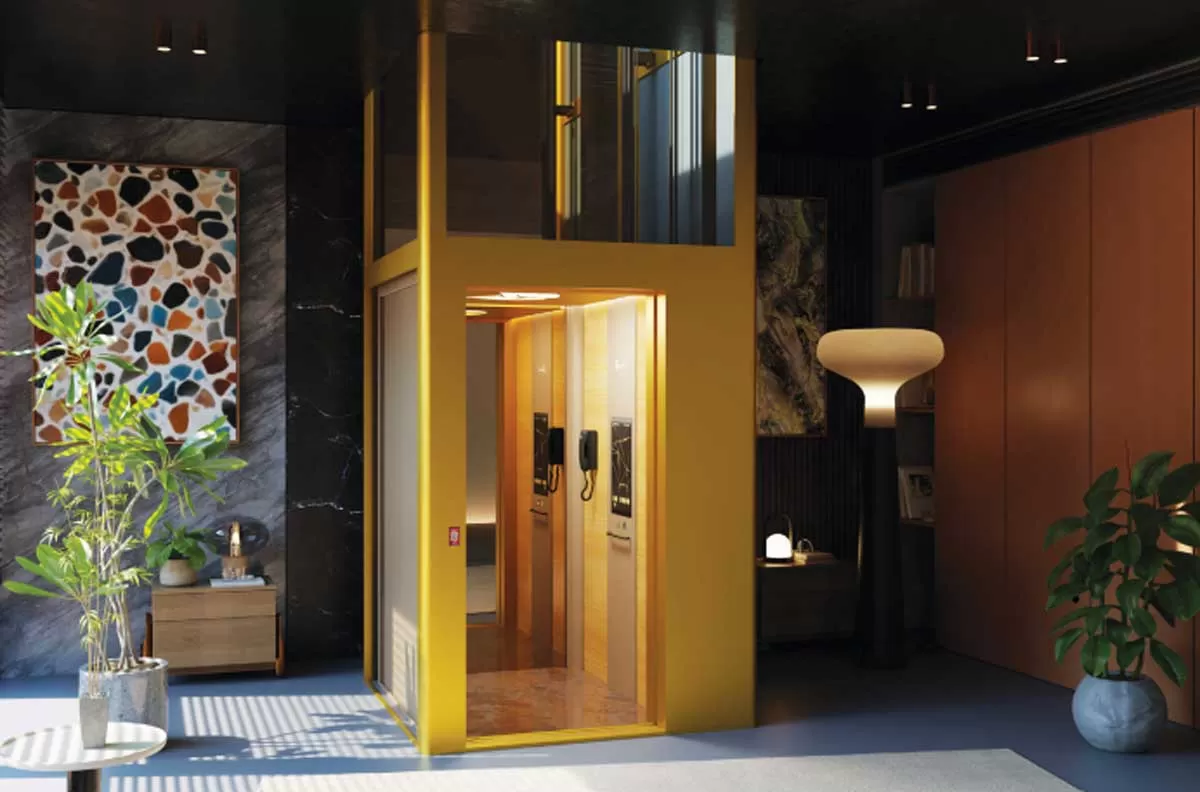
Once hidden behind service doors and muted finishes, residential elevators are now increasingly curated to match interior themes and homeowner preferences. Companies in the space are promoting cabins that feature warm lighting schemes, textured finishes and personalised colour palettes that mirror broader interior design narratives — a departure from the stark, industrial look of conventional lifts. “We’re witnessing how vertical mobility in homes has graduated from a purely functional role to part of the lived experience,” says a senior urban architect involved in high‑end residential projects. The trend is especially visible in multistorey private homes and luxury apartments across cities such as Delhi‑NCR, Bengaluru and Mumbai, where design‑savvy buyers treat every spatial element as part of a cohesive lifestyle expression.
Residential elevators have historically been driven by demographics and accessibility needs, particularly for ageing populations and multi‑generation households. But demand is now also influenced by aesthetics and digital content culture: spaces that are “Instagram‑ready” and visually engaging attract premium valuations and buyer interest among affluent cohorts. In this context, an elevator’s cabin interior — once an afterthought — is increasingly treated with the same design rigor as kitchens or living rooms. Manufacturers and service providers are responding with options that go beyond safety and performance. Customisable panels, mirror finishes, indirect lighting and curated material boards are offered alongside advanced control systems. Some even collaborate with interior designers to ensure installations align with overall home aesthetics. From a technical standpoint, these enhancements are layered on top of standard safety requirements and building code compliance, ensuring that form never impedes function.
This trend echoes movements in commercial real estate where elevators in office towers and hospitality spaces have been used as branding canvases and immersive zones. In residential environments, the integration of design and vertical mobility underscores a broader urban shift: homes are no longer static enclosures but dynamic, multifunctional spaces where design depth matters as much as performance. Urban planners note that as cities densify and vertical living becomes the norm, elevator design will increasingly intersect with architectural and ergonomic considerations. Thoughtful cabins can enhance user experience and encourage accessibility, particularly for older residents and persons with mobility challenges. Design‑led elevators — crafted with human‑centred features such as ambient lighting and intuitive controls — can contribute to more inclusive living environments.
However, industry insiders caution that design innovations must be balanced with cost and maintenance implications. Elevators that prioritise aesthetics may carry higher upfront and servicing costs, and developers must ensure long‑term reliability and safety remain uncompromised. As Indian cities grow upward and residential spaces become more curated and content‑aware, the redefinition of vertical mobility from utility to lifestyle component hints at broader transformations in how homes are designed, experienced and valued.