


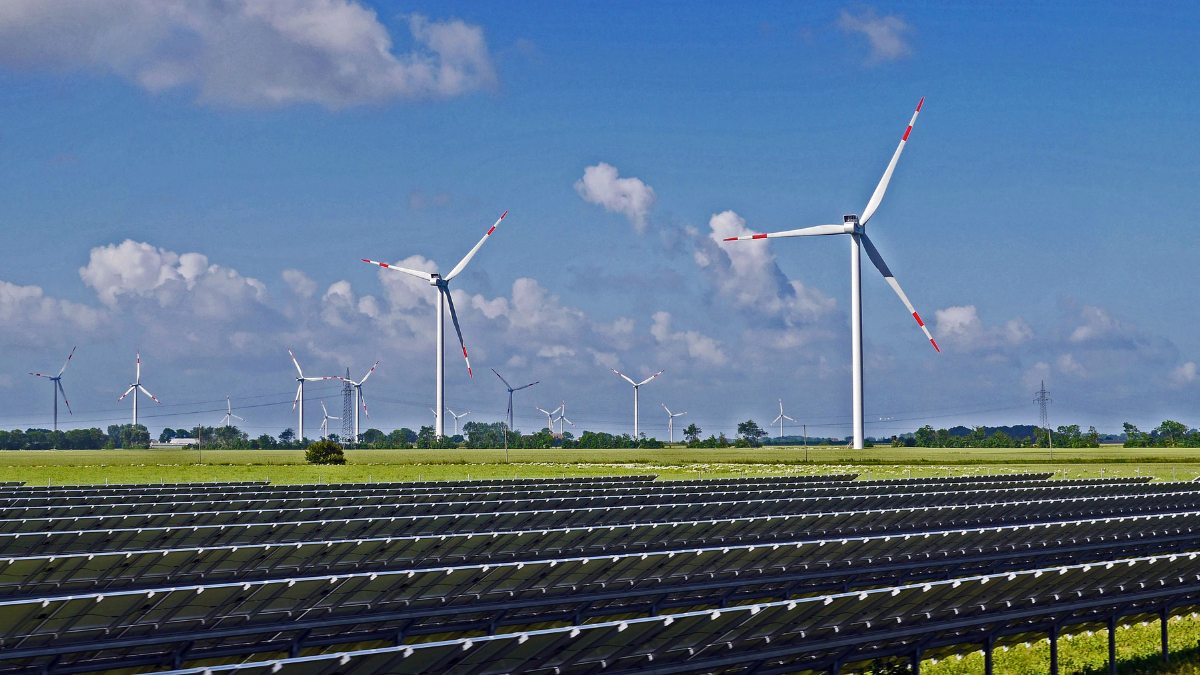
India’s clean energy journey reached a significant milestone this month, with non-fossil fuel sources now accounting for nearly half of the nation’s total installed power capacity. Out of the 476 gigawatts (GW) currently operational across the country, 49 percent—or approximately 235.7 GW—is now generated through renewable and nuclear energy technologies. This transition underscores the country’s accelerating push towards a low-carbon, sustainable energy future.
According to official data, renewable energy alone contributes 226.9 GW, while nuclear accounts for 8.8 GW. Solar power leads this transformation, followed by wind, small hydro, biomass, and waste-to-energy projects. Over the past decade, India’s renewable capacity has witnessed a threefold increase—from 76.37 GW in 2014 to over 226 GW in 2025—highlighting the success of policy incentives, global investment interest, and domestic manufacturing momentum.
Solar energy, in particular, has been a standout performer. From a modest 2.82 GW in 2014, the country’s solar capacity has skyrocketed to 110.9 GW in 2025—a growth rate that places India third globally in total installed solar capacity. Wind power follows closely, with 51.3 GW, positioning India fourth in both wind and overall renewable capacity worldwide.This transition has also been bolstered by an impressive scale-up in solar manufacturing infrastructure. Module production capacity expanded from 2.3 GW in 2014 to 88 GW, while solar cell production grew from 1.2 GW to 25 GW. These figures not only represent industrial advancement but also reflect India’s strategic intent to localise the clean energy supply chain.
However, this green milestone does not yet reflect a corresponding shift in electricity generation. Despite clean energy’s growing share in installed capacity, coal remains the backbone of India’s power production. Thermal power stations, dominated by coal, make up more than 50 percent of India’s capacity and continue to serve as the primary baseload source.Central Coalfields Limited (CCL), a Coal India subsidiary, has confirmed plans to add two new coal mines in FY25, aiming to raise annual output from 87.5 million tonnes to 150 million tonnes by 2030. Additionally, four new washeries are being commissioned to enhance coal quality—signalling the government’s continued support for coal as a key component of energy security and industrial reliability.
The contrast in policy—aggressively expanding clean energy while maintaining coal-backed baseload supply—captures the dual challenges India faces. On one side lies the urgent imperative to meet climate goals under the Paris Agreement, with India targeting 500 GW of non-fossil capacity by 2030. On the other is the need to ensure stable, affordable electricity access for a growing population and economy.
Notably, India has made substantial gains in energy access and efficiency. Power shortages have fallen drastically from 4.2 percent in FY14 to just 0.1 percent in FY25. Simultaneously, per capita electricity consumption has risen 45.8 percent in a decade, reaching 1,395 kilowatt-hours—indicative of both improved infrastructure and quality of life.
India’s power sector is now emblematic of a global balancing act: enabling economic growth and energy equity while navigating the decarbonisation imperative. The green energy milestone is a testament to the country’s evolving strategy—but the continued reliance on coal reflects the complex transition challenges ahead. As global climate scrutiny intensifies, India’s ability to harmonise renewable growth with energy security will define its next phase of development.
Also Read : Mumbai braces for another week of rain and cooler temperatures
