


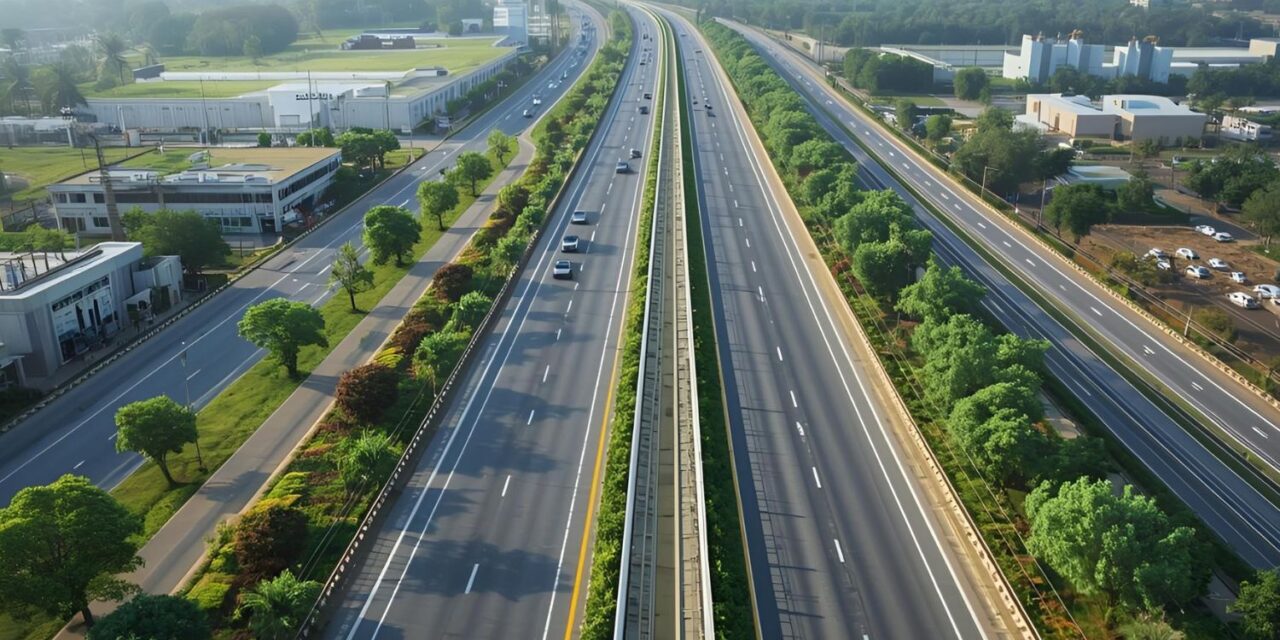
India’s highway usage patterns are undergoing a notable shift after the introduction of the FASTag annual pass, with authorities recording uptake by nearly five million vehicle owners and a sharp rise in short-distance road travel. The policy change, implemented across national highways, is reshaping commuter behaviour, toll revenue dynamics and infrastructure planning at the urban–regional interface.
According to transport officials overseeing electronic tolling systems, the annual pass has encouraged more frequent use of highways for trips under 100 kilometres, with such journeys rising by roughly 50 per cent since the scheme’s rollout. The pass allows private vehicle owners to make unlimited trips for a fixed annual fee, reducing per-trip costs and transaction friction at toll plazas. For cities and peri-urban regions, the implications are significant. National highways increasingly function as urban mobility corridors rather than long-haul freight routes alone. Urban planners note that easier highway access is changing how residents commute between suburbs, satellite towns and employment hubs, particularly in fast-growing metropolitan regions where city roads are congested and public transport coverage remains uneven. From an economic standpoint, the surge in short-distance highway travel reflects pent-up demand for flexible mobility. Industry analysts say lower marginal travel costs encourage households to expand their activity radius, benefiting retail, tourism and service economies located along highway corridors. At the same time, toll authorities face the challenge of recalibrating revenue models as flat-fee passes replace per-use collections for a segment of users.
Infrastructure experts point out that while overall toll revenue remains stable due to freight and commercial traffic, higher vehicle volumes can accelerate wear and tear on road assets. This places greater emphasis on predictive maintenance, digital traffic monitoring and service-area upgrades to maintain safety and performance standards. The shift also strengthens the case for integrating highways with urban transport planning rather than treating them as standalone intercity assets. Environmental considerations add another layer to the debate. Increased short-distance car travel could raise emissions if it substitutes public transport or non-motorised trips. However, transport economists argue that smoother toll operations and reduced idling at plazas can lower fuel consumption per trip. The net climate impact will depend on how highway use evolves alongside investments in electric vehicles, bus rapid transit and rail connectivity.
Social equity issues are also emerging. While the FASTag annual pass benefits frequent private vehicle users, mobility researchers caution that toll reforms should be complemented by affordable public transport options to avoid reinforcing car-dependent development patterns. Balanced investment is critical to ensure that improved highways do not draw resources away from mass transit systems essential for inclusive urban growth. Looking ahead, policymakers are expected to use data from the FASTag network to refine tolling strategies and infrastructure priorities. The early response to the annual pass suggests that pricing reforms can significantly influence travel behaviour. The next challenge will be aligning highway usage growth with sustainable mobility goals, ensuring that India’s expanding road network supports economic opportunity without undermining climate resilience or urban liveability.
Also Read: Arunachal Highway Probe Flags Compensation Leakages
India Highway Travel Patterns Shift With FASTag
