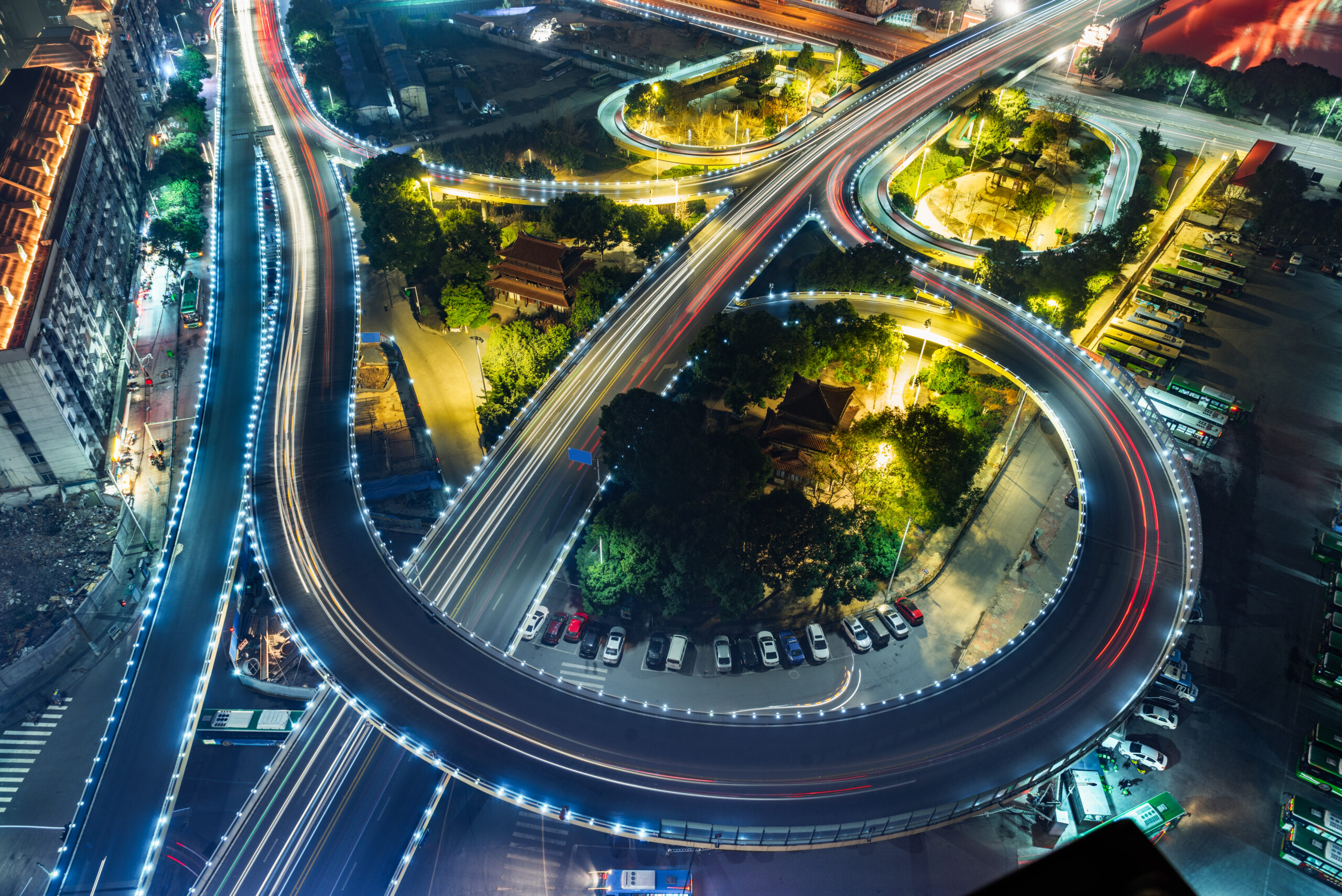
India Highway Expansion Drives Sustainable Growth Future
India’s highways are undergoing a rapid transformation, emerging as the backbone of a new growth story. In just a decade, the country’s national highway network has expanded by nearly 60 per cent, rising from around 91,000 km in 2014 to almost 1.46 lakh km in 2024, making it the second-largest globally. Officials highlight that this unprecedented expansion is not just about speed and scale but about building sustainable, inclusive and future-ready infrastructure that drives India towards its long-term goal of becoming a developed nation.
The momentum is evident in the government’s investment strategy, with more than ₹3 lakh crore channelled annually into the sector. According to transport ministry officials, every rupee spent on road construction generates nearly three times its value back in economic benefits, creating jobs, easing logistics costs, and linking remote areas to urban markets. This multiplier effect is seen as critical for creating equitable cities and empowering rural economies.
Expressways and economic corridors form the most visible face of this transformation. Under the flagship Bharatmala Pariyojana, more than 26,000 km of highways have been awarded and nearly 20,000 km built, with iconic projects like the Delhi-Mumbai Expressway already cutting travel times and reducing emissions by saving fuel. Similarly, in Uttar Pradesh, a new web of expressways has stitched together towns and villages with major cities, creating fresh opportunities for industries, tourism and local businesses. Officials stress that these roadways are being designed with an emphasis on safety, resilience and environmental responsibility. Initiatives such as bridge replacements under the Setu Bharatam project have improved both safety and travel efficiency. Meanwhile, urban regions like Delhi, Bengaluru, Hyderabad and Chennai are seeing ring roads and bypass corridors that ease congestion and lower vehicular emissions. The introduction of greenfield expressways is expected to reduce traffic on old routes, curbing air pollution in crowded stretches.
Rural connectivity remains a cornerstone of this drive. The Pradhan Mantri Gram Sadak Yojana has delivered over 3.5 lakh km of village roads, providing farmers with faster access to mandis and reducing distress migration. Officials report that the scheme has generated more than 650 crore man-days of work, creating direct employment in the construction sector while paving the way for more gender-inclusive rural development. Religious and cultural corridors have also been prioritised, with better road links to Char Dham, Ayodhya, Varanasi and other heritage cities. Experts note that improved access not only boosts tourism but also supports small businesses around these sacred hubs, turning them into engines of sustainable regional growth.
The pace of construction has accelerated sharply in recent years. Current data shows a daily build rate of over 33 km compared to 8-11 km a decade earlier. In the latest Union Budget, highways were earmarked a significant portion of the ₹11 lakh crore capital outlay, reaffirming infrastructure as a driver of future growth. With logistics costs expected to fall to 8 per cent of GDP by 2030 under the Gati Shakti framework, experts believe India’s highway programme will be central to achieving climate goals, lowering energy waste, and building inclusive, eco-friendly cities. For many, these highways are more than just asphalt stretches. They symbolise equitable growth, where villages connect to cities, industries access markets, and citizens enjoy safer and cleaner mobility. As the network expands, it is expected to knit together the vision of a sustainable and prosperous India.