


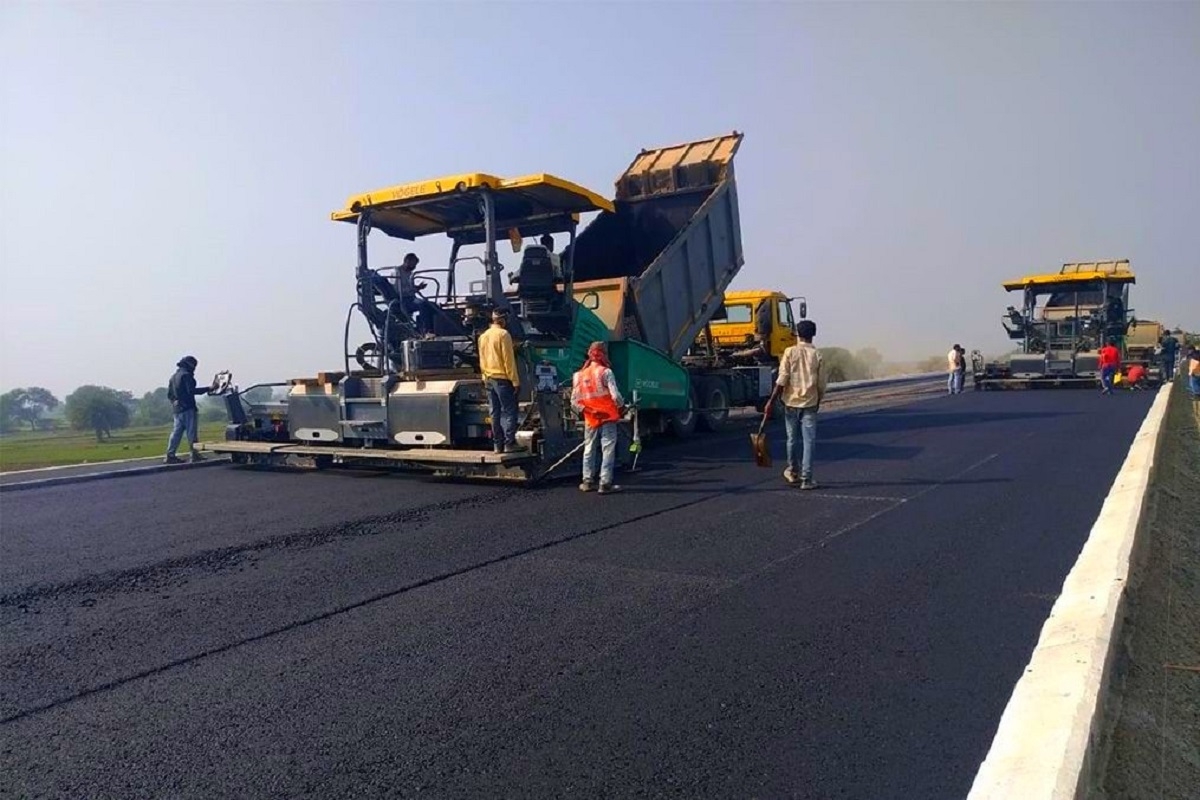
India’s highway construction programme has faced a noticeable slowdown in recent months, largely due to delays in land acquisition and forest clearances, prompting renewed focus on resolving structural bottlenecks in infrastructure delivery. Central transport authorities have indicated that construction activity, which dipped below recent averages, is expected to recover in the coming months as pending approvals are cleared. The pace of highway building matters deeply for economic momentum, regional connectivity and the spatial shape of urban growth across the country.
National highway development has been one of India’s most visible infrastructure success stories over the past decade, with rapid expansion supporting logistics efficiency, intercity travel and industrial clustering. However, officials overseeing road projects acknowledge that progress has been uneven in the current cycle. Several projects have stalled at the pre-construction stage, particularly in environmentally sensitive and densely populated regions where land and forest approvals require multi-agency coordination. Infrastructure experts explain that land acquisition remains the single largest constraint in linear projects such as highways. Even when funding and contractors are in place, fragmented ownership patterns, compensation disputes and rehabilitation concerns can delay site handover. Forest clearances add another layer of complexity, especially as environmental scrutiny has increased alongside climate commitments and biodiversity protection goals. According to senior transport officials, once these approval hurdles are addressed, construction capacity on the ground remains strong. Contractors, equipment suppliers and state agencies are positioned to scale up activity quickly, potentially restoring daily construction rates closer to long-term targets. Such a rebound would have downstream benefits for employment, materials demand and allied sectors such as cement, steel and logistics.
Urban economists note that highway construction is not merely a national connectivity issue but a city-shaping force. New and widened corridors influence where housing, warehousing and industrial estates emerge, particularly on metropolitan peripheries. Delays can slow planned economic zones and increase pressure on existing urban roads, affecting commute times and air quality. Conversely, rapid highway expansion without integrated land-use planning risks encouraging car-dependent sprawl. Environmental planners argue that the current slowdown also presents an opportunity to recalibrate project execution. “Clearances should not be seen as procedural obstacles alone, but as tools to embed resilience and safety into infrastructure,” says an urban sustainability specialist. Aligning road design with flood management, wildlife movement and community access can reduce long-term costs and climate risks.
From a fiscal perspective, prolonged delays can escalate project costs and strain public finances, as idle capital and contractual claims accumulate. Infrastructure finance analysts stress that predictability in approvals is critical to sustaining private sector participation, particularly under public–private partnership models that rely on time-bound execution. Looking ahead, the challenge for policymakers lies in accelerating highway construction while strengthening coordination between transport, environment and state agencies. Transparent timelines, digital land records and early-stage environmental assessments are increasingly seen as essential reforms. As India seeks to balance growth with sustainability, how quickly and responsibly highway projects move from blueprint to blacktop will shape not just travel times, but the future form of its cities and regions.
Also Read: National Highway Assets Attract Long Term Capital
India Highway Construction Pace Set For Rebound
