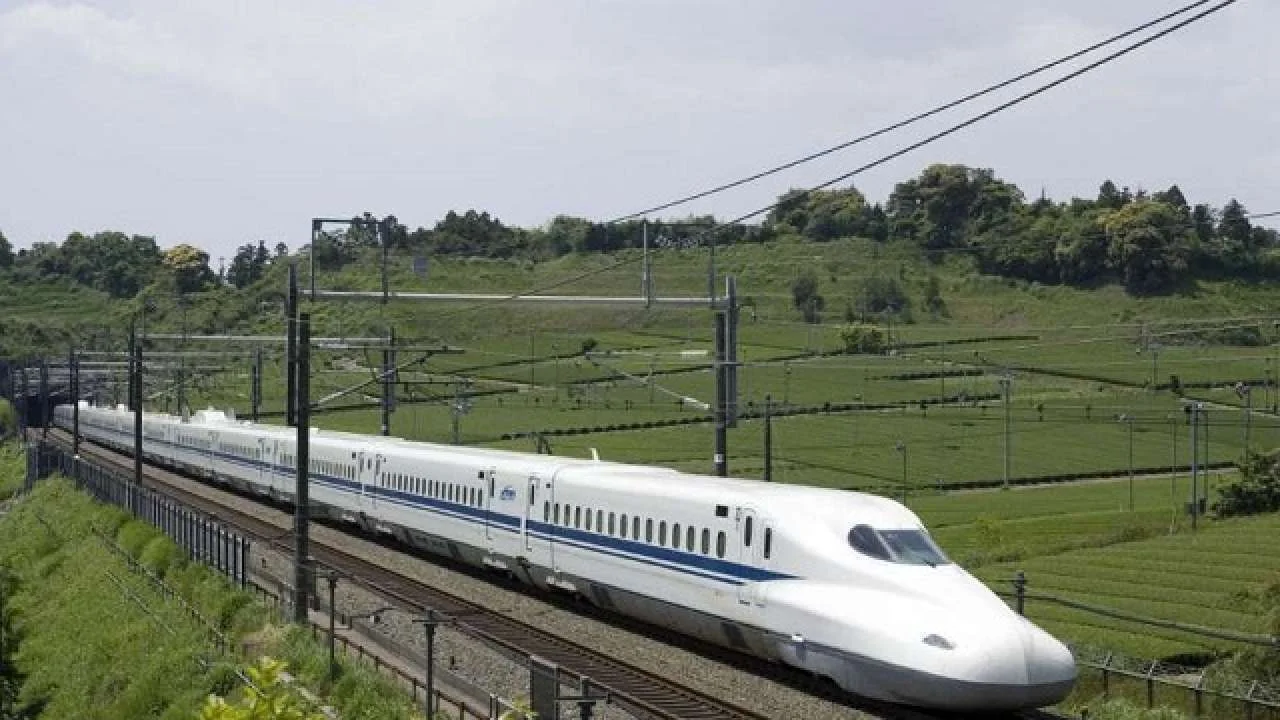
India’s first high-speed rail corridor is moving closer to operations, with authorities finalising a phased commissioning plan for the Mumbai–Ahmedabad Bullet Train, marking a defining moment in the country’s urban transport evolution. The 508-km corridor is expected to open in stages from 2027, reshaping regional mobility, labour access, and economic integration across western India.
The Mumbai–Ahmedabad Bullet Train project represents a structural shift in how long-distance inter-city travel is planned in India’s fastest-growing urban clusters. By significantly reducing travel time between financial, industrial, and port-driven cities, the corridor is designed to unlock productivity gains while easing pressure on highways and conventional rail networks. According to officials overseeing the project, operations will begin on select stretches where civil and systems work has reached advanced stages, allowing services to scale gradually while safety protocols and operational readiness are tested. The earliest operational segment is expected to be located in southern Gujarat, followed by incremental extensions towards Maharashtra and the Mumbai metropolitan region.
Urban planners tracking the project note that this phased rollout reflects a cautious but globally accepted approach to launching high-speed rail in dense, mixed-use regions. More than four-fifths of the corridor is being constructed on elevated viaducts, minimising land fragmentation and improving climate resilience against flooding—an increasingly critical factor for infrastructure in coastal and riverine zones. Construction agencies report substantial progress on elevated structures, river crossings, and station superstructures. Several river bridges along the alignment have already been completed, while track-bed works and system installations are underway on priority sections. Station design across the corridor emphasises energy efficiency, multimodal integration, and compact urban footprints rather than car-centric expansion.
The Mumbai–Ahmedabad Bullet Train is also being positioned as a template for future low-emission inter-city transport in India. High-speed electric rail offers a substantially lower carbon footprint per passenger kilometre compared to aviation and private vehicles, particularly when paired with cleaner power sources over time. For cities such as Surat, Vadodara, Bharuch, Vapi, Thane, and Mumbai, the corridor is expected to influence real estate markets, office location strategies, and regional labour mobility. Experts caution, however, that these benefits will depend on last-mile connectivity, affordable access, and integration with existing suburban rail and metro systems.
As India prepares to introduce its first operational high-speed rail services, transport economists see the project as both an infrastructure milestone and a governance test. Successful execution could accelerate similar corridors nationwide, while delays or cost overruns may recalibrate future investments. For now, the focus remains on completing remaining civil works, systems integration, and operational trials—steps that will determine whether high-speed rail can become a reliable, inclusive, and climate-aligned pillar of India’s urban future.
India High Speed Rail Network Enters Final Construction Phase