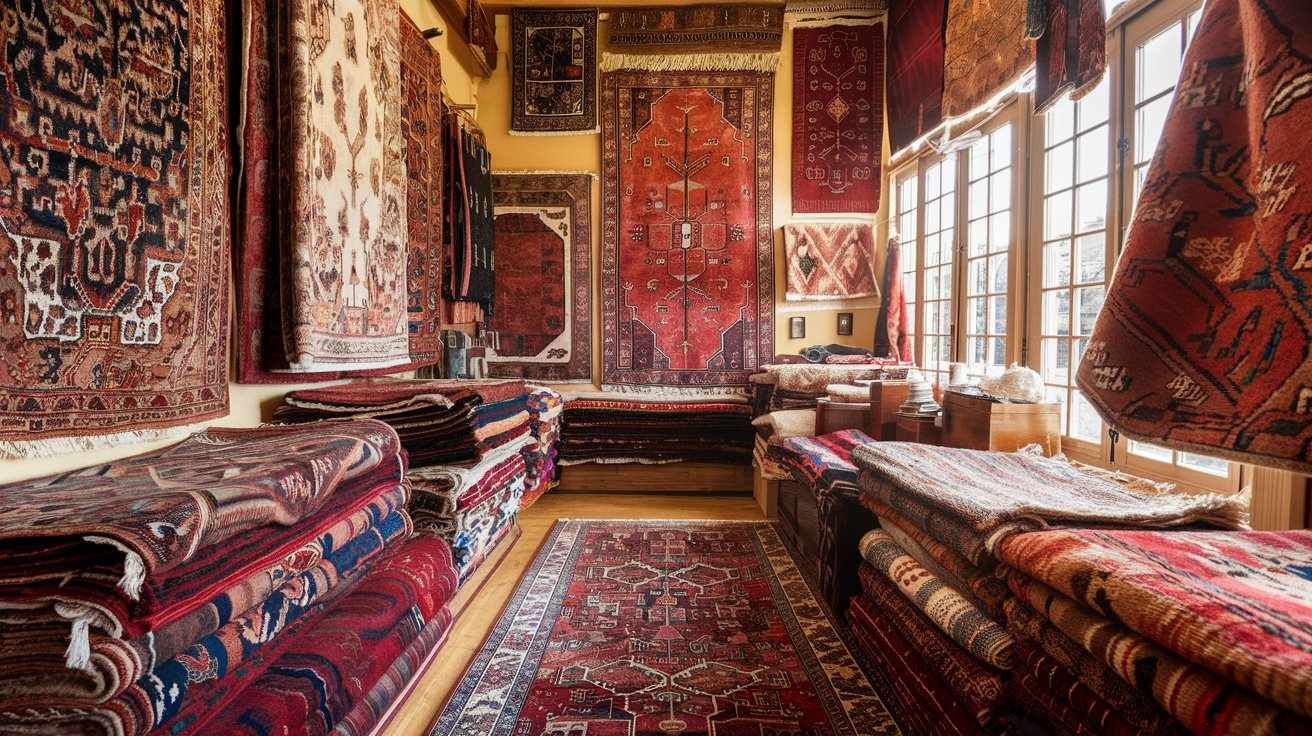
India’s centuries‑old handmade carpet industry is on the cusp of a major shift in global market access, as the newly concluded India‑European Union (EU) Free Trade Agreement (FTA) paves the way for preferential entry into luxury interiors segments across Europe. For an industry deeply rooted in artisanal clusters from Uttar Pradesh to Rajasthan, this development carries significant implications for export competitiveness, rural employment and integration into high‑end home décor supply chains.
The FTA’s tariff elimination on handcrafted carpets and rugs is expected to realign global sourcing patterns by lowering landed costs for Indian exporters relative to competitors still subject to EU duties. European luxury interiors — a discerning and high‑value segment of the furnishings market — has historically been difficult for Indian producers to penetrate at scale due to tariff barriers and compliance costs. The preferential terms bring Indian craftsmanship into closer parity with global peers, especially in premium design‑led interiors where heritage and quality are key determinants of buyer choice.Central to this opportunity are India’s traditional carpet hubs such as Bhadohi and Mirzapur in Uttar Pradesh, Panipat in Haryana and Jaipur and Bikaner in Rajasthan. These clusters combine deep artisanal expertise with labour‑intensive production models, underpinning livelihoods in semi‑urban and rural regions. Export promotion bodies anticipate that EU market access could stimulate demand for handcrafted products, strengthen artisanal export value chains and support employment, particularly among women and youth in weaving and finishing segments.
Industry specialists note that the competitive dynamics of global home décor are shifting as European buyers increasingly prioritise sustainability, craftsmanship and ethical sourcing. Indian carpets, with their natural fibres, geomorphological motifs and time‑tested weaving techniques, align with luxury interiors’ growing emphasis on authenticity and environmental stewardship. The ability to offer zero‑tariff access enhances India’s appeal as a supplier capable of delivering both cultural distinction and value.MSMEs — micro, small and medium enterprises — along with rural artisan units stand to benefit from these structural shifts if they can scale production to meet quality and compliance standards required by EU markets. Scaling export readiness will likely require investments in quality certification, digital marketing and logistical efficiencies to ensure consistent delivery to European design houses and retailers. Urban designers and export strategists argue that connecting carpet clusters with global supply chains could catalyse broader regional development, fostering more equitable economic growth in artisanal geographies.
Yet the opportunity is not without challenges. European market entry mandates stringent sustainability and labour compliance frameworks. Exporters need to navigate complex rules of origin, product labelling standards, and environmental performance expectations that are increasingly integral to luxury interior procurement. Addressing these requirements will be essential for Indian players to translate preferential tariff access into sustainable market share and long‑term partnerships.For urban planners and real‑estate developers, elevated exports in the handmade carpet segment may also spur demand for India’s interior design talent globally, reinforcing the role of cultural craftsmanship in premium residential and hospitality projects. As trade dynamics evolve, aligning traditional sectors with modern supply‑chain rigour will be pivotal in positioning Indian heritage crafts at the intersection of sustainability, design excellence and inclusive economic opportunity.