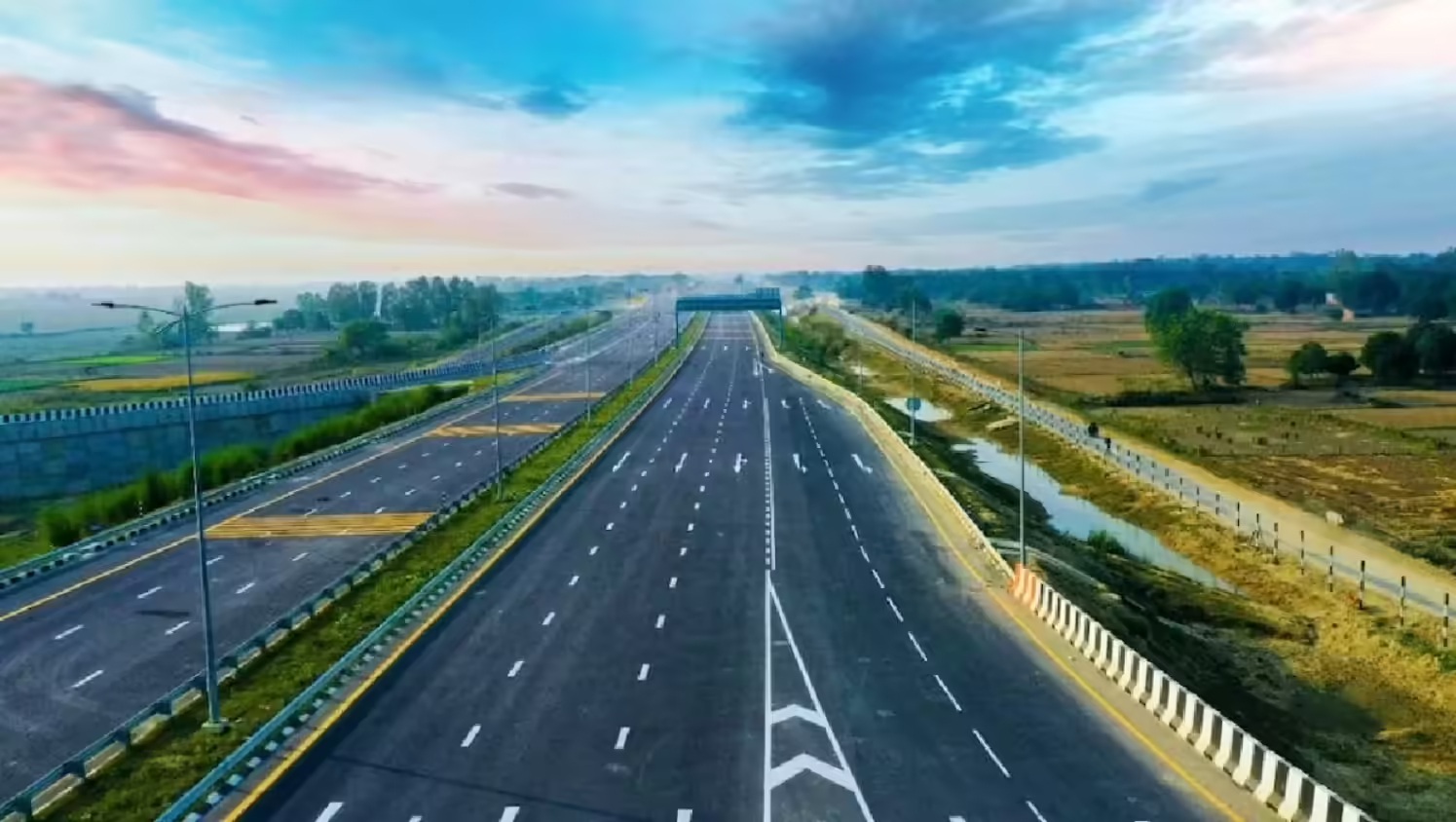
India Green Expressway Plan Reshapes Intercity Travel
India is preparing to build a major high-speed road corridor designed to strengthen connectivity between northern and southern regions, with transport authorities outlining plans for a new India green expressway network that could significantly shorten travel distances between major economic centres. Officials overseeing national highway development indicated that the proposed route would create a new corridor connecting western and southern regions before linking to key metropolitan hubs across the country. Once operational, the alignment is expected to reduce the road distance between Delhi and Chennai by roughly 320 kilometres, potentially transforming freight movement and long-distance passenger travel.
Transport planners say the India green expressway initiative forms part of a wider national infrastructure strategy aimed at improving highway efficiency while reducing congestion on existing routes. The new corridor will connect several industrial and logistics centres, including key cities in western and southern India, before branching into multiple directions serving major technology and port-based economies. Urban infrastructure analysts note that the corridor could play a critical role in strengthening economic integration between regions. By providing faster road connectivity, the expressway may enable quicker movement of goods between manufacturing zones, agricultural markets and export gateways located in southern port cities. The alignment under discussion would pass through a series of important logistics nodes and emerging industrial corridors. Cities in Maharashtra and Karnataka are expected to become key transit points along the route, with the highway also creating direct connectivity with southern metropolitan clusters known for technology services, automobile manufacturing and electronics production. Officials involved in highway planning say the new India green expressway route will complement the ongoing expansion of high-speed expressway networks already under construction across the country. These projects aim to create seamless intercity road travel, linking national capital regions with financial and industrial hubs through controlled-access corridors designed for higher travel speeds.
The government has also highlighted that a large portion of the expressway network connecting Delhi and Mumbai is already nearing completion. Once operational, that corridor alone is expected to cut travel time between the two major cities significantly, while improving freight logistics across western India. Transport economists say expressways of this scale can reshape regional development patterns by influencing where logistics parks, warehouses and industrial clusters emerge. Improved highway access often drives investment in land development around key junctions, which in turn affects real estate growth and employment opportunities in surrounding districts. At the same time, infrastructure planners emphasise the importance of balancing highway expansion with environmental considerations. The India green expressway concept includes provisions for controlled land use, roadside plantation and modern drainage systems to limit ecological disruption while supporting high-capacity transport corridors.
As India continues to expand its national highway grid, policymakers suggest that integrating expressway construction with freight planning, urban growth strategies and sustainability measures will determine how effectively such projects contribute to long-term economic mobility and climate-resilient infrastructure.
India Green Expressway Plan Reshapes Intercity Travel