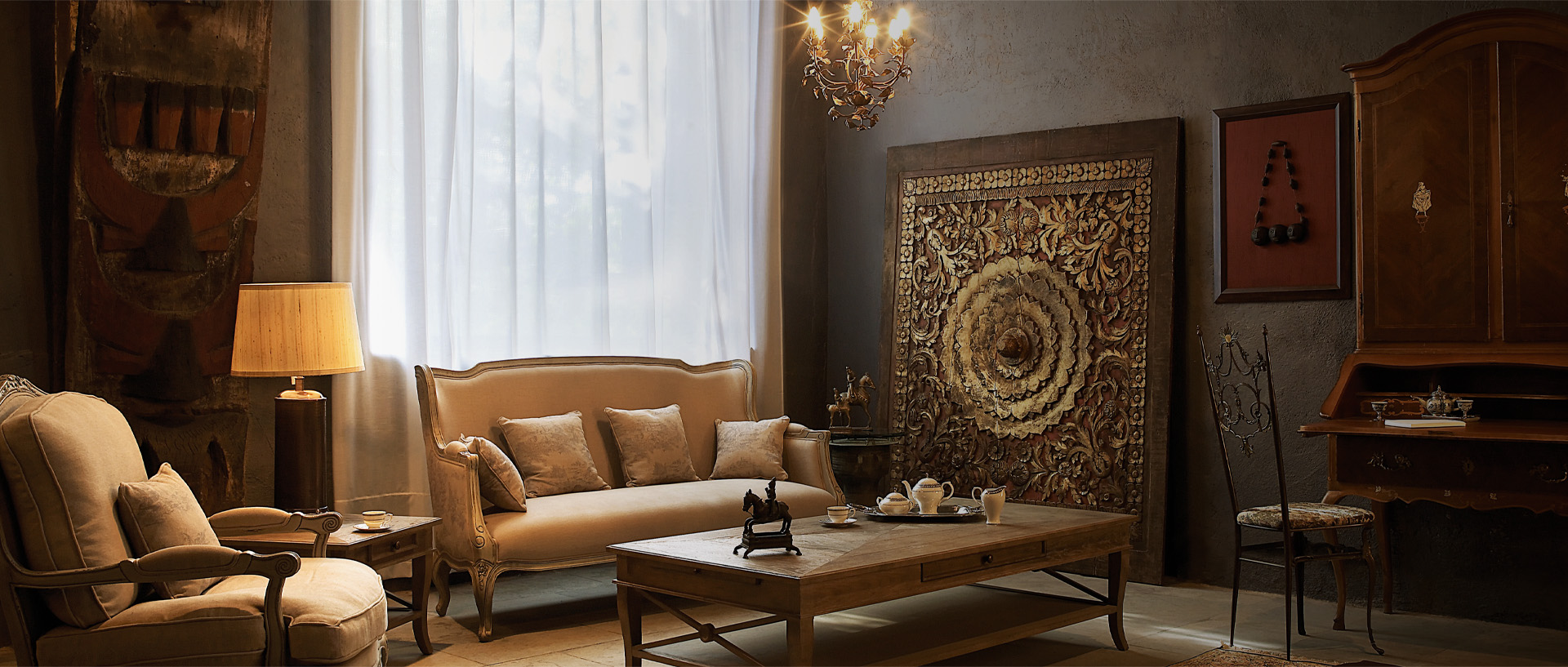
India Great Eastern Home Sofa Collection Revives Heritage Design
India’s premium home interiors market is seeing a renewed focus on heritage-led design, with The Great Eastern Home introducing a curated sofa collection that draws on classical European and colonial influences while adapting to contemporary living spaces.The Mumbai-based luxury furniture company’s latest offering reflects a broader shift in the interior décor sector, where long-lasting, design-driven furniture is gaining preference over fast-changing trends. The collection features a mix of Italian-inspired silhouettes, European classical forms, and colonial-era detailing, positioning it within a niche segment that prioritises craftsmanship and historical continuity.
At its core, the collection emphasises durability and material quality. Each piece is crafted using solid wood frameworks, detailed joinery, and upholstered finishes designed for long-term use. This approach aligns with The Great Eastern Home’s long-standing positioning as a provider of investment-grade furniture rather than mass-produced décor. The launch comes at a time when India’s interior design market is evolving alongside urban housing trends. As residential spaces become more personalised and design-conscious, demand is shifting towards furniture that offers both aesthetic value and longevity. Industry observers note that premium consumers—particularly in metropolitan areas—are increasingly seeking pieces that blend heritage design with modern usability.For urban planners and designers, this signals a subtle but important shift in the built environment. Furniture is no longer viewed merely as an accessory but as an integral component of spatial identity. In high-end residential developments and bespoke homes, curated furniture collections are being used to define character, enhance functionality, and extend the lifecycle of interior investments.
The Great Eastern Home’s sofa collection also reflects the growing intersection of global design influences with local markets. By incorporating European styles into Indian interiors, the brand is catering to a segment that values international aesthetics while maintaining a connection to traditional craftsmanship.Located in Mumbai’s Byculla district, the company operates from a large-format showroom that houses furniture, collectibles, and interior elements, serving architects, designers, and private clients. Its continued focus on heritage design places it in contrast with the rise of modular and minimalist furniture trends, offering an alternative rooted in detail, proportion, and material richness.From a sustainability perspective, the emphasis on longevity and craftsmanship aligns with broader conversations around responsible consumption in the interiors sector. Furniture designed for extended use reduces replacement cycles, contributing to lower material waste and a more sustainable approach to home design.
As India’s urban housing market continues to expand, the demand for differentiated interior solutions is expected to grow. Collections such as this highlight how design, craftsmanship, and durability are becoming central to the next phase of interior development.Looking ahead, the trajectory of the premium interiors segment will likely be shaped by how brands balance heritage with innovation—creating products that not only reflect aesthetic aspirations but also respond to evolving urban lifestyles and sustainability considerations.