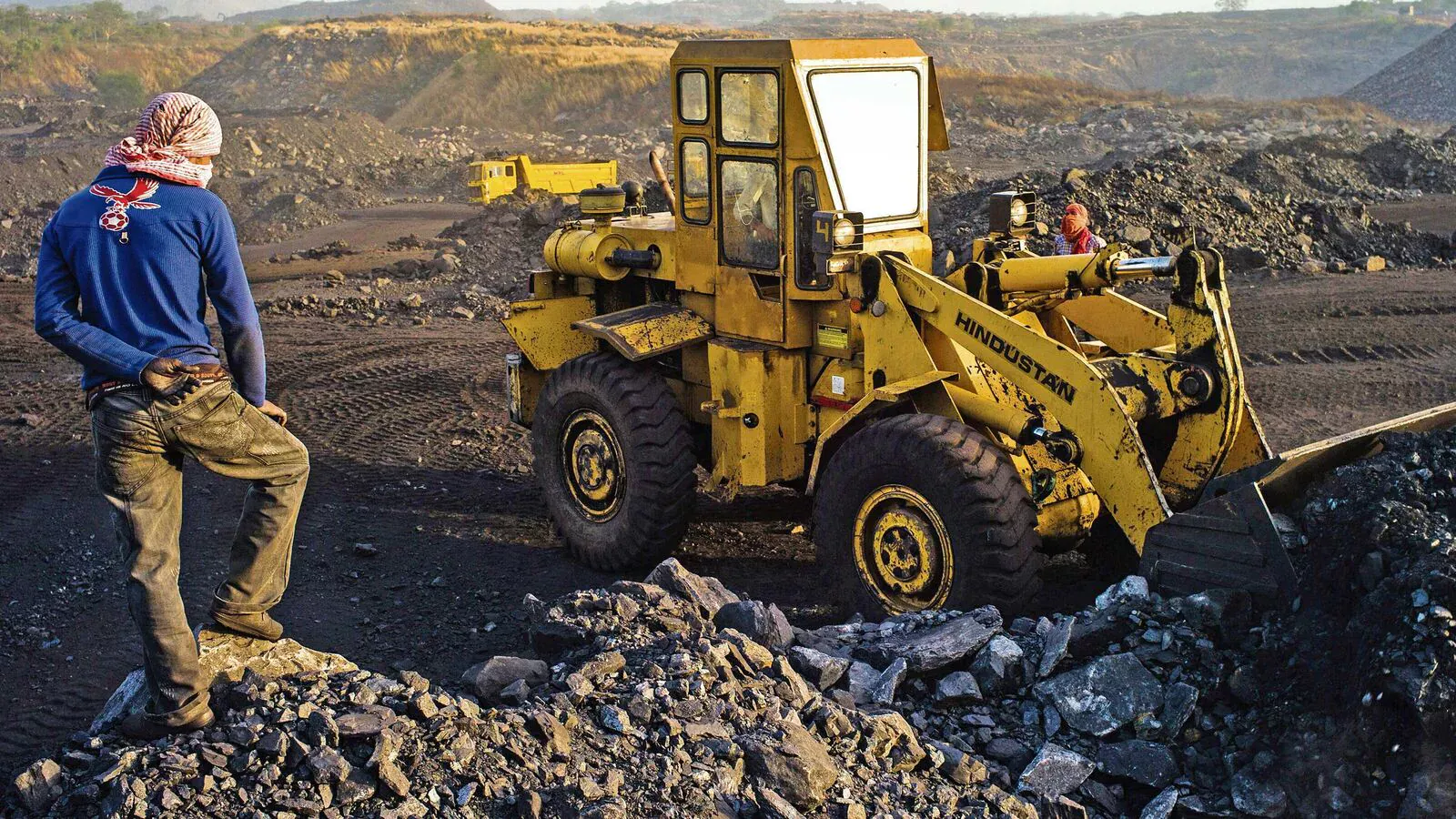
India Government Targets Critical Minerals In Mine Waste
In a strategic pivot aimed at bolstering domestic supply chains for essential raw materials, the Union Ministry of Mines has unveiled a national policy to extract critical minerals from tailings and mining waste, targeting resources crucial for clean energy technologies and high-tech manufacturing. The initiative marks a significant shift in India’s resource management strategy by treating mining by-products not as waste but as secondary mineral reserves, with implications for economic competitiveness and sustainable industrialisation.
Tailings — the slurry of rock particles, processing chemicals and water left after traditional ore extraction — have long posed environmental and land-use challenges around mine sites. Under the new framework, government geological agencies will map tailing ponds, overburden deposits and dump sites to evaluate the recoverability and economic value of embedded critical and strategic minerals, such as lithium, cobalt, nickel and rare earth elements (REEs). These elements are indispensable for batteries, solar panels, wind turbines and defence technologies. A senior official from the ministry said this policy formalises what was previously siloed as environmental liability, enabling a coordinated, inter-ministerial approach to resource audits. The policy expressly mandates collaborative work among stakeholders — including the Indian Bureau of Mines, the Central Mine Planning & Design Institute and the Atomic Minerals Directorate — to quantify sites with companion metals and determine extraction feasibility.
Economic analysts view the move as part of a broader push under the National Critical Mineral Mission, a multi-year programme designed to reduce import dependency for materials essential to India’s green transition and manufacturing growth. This mission also rolls out incentives for recycling of critical minerals from e-waste and spent lithium-ion batteries, emphasising a circular economy approach that could attract private investment while creating domestic jobs. Urban development experts note that by integrating tailings into formal resource planning, cities and industrial corridors can reduce environmental liabilities and make land formerly dominated by waste dumps safer and more productive. Capturing minerals embedded in tailings could also alleviate pressure on new mine expansions, aligning extraction with higher environmental standards and community expectations.
However, the policy’s success hinges on technological readiness and regulatory clarity. Extracting low-grade, finely dispersed minerals from tailings is technically challenging and capital-intensive, requiring innovation and scale to be commercially viable. Industry specialists urge the government to flesh out clear investment incentives and transparent frameworks to attract long-term private capital, especially in states hosting legacy mining operations. Environmental advocates cautiously welcome the policy, noting potential reductions in landscape degradation and tailings-related pollution if extraction is paired with improved waste management protocols. Yet they warn that without stringent oversight, new extraction activities could create fresh ecological disturbances, particularly in areas already stressed by decades of mining.
For India’s urban and industrial future, institutionalising the circular use of mining by-products could strengthen supply security for critical minerals, support energy-transition goals and create a market for recycled materials. The coming months will test how well policy ambitions translate into market reality, with regulatory clarity and technological partnerships set to determine the pace of implementation.