


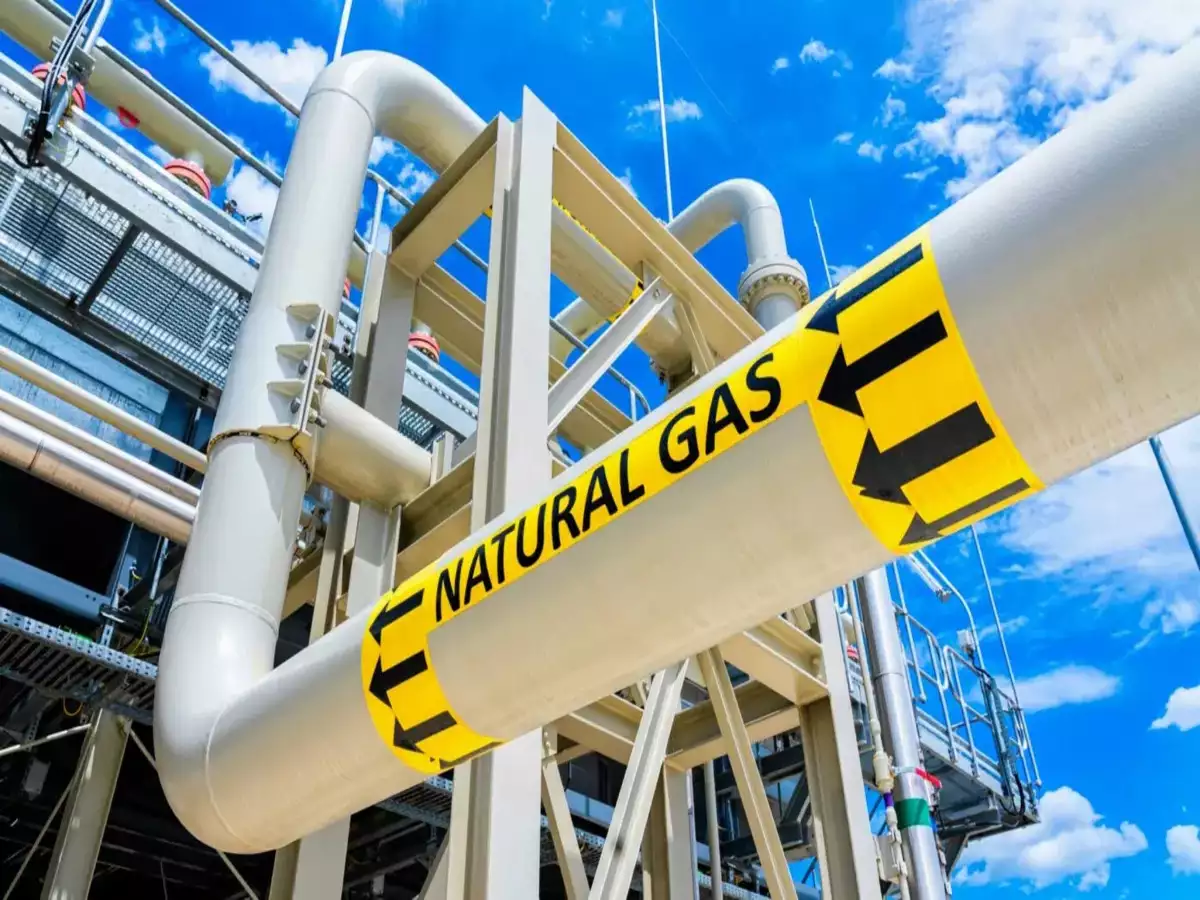
A worsening industrial gas shortage in India is beginning to disrupt the global supply chain for construction materials, particularly ceramic tiles and stone products exported to international markets. The disruption highlights how energy constraints within manufacturing clusters can ripple across global building material supply networks. Manufacturers in western India—especially in Gujarat’s ceramic production hubs—have slowed or halted operations due to limited availability of industrial gas. The shortage has affected the firing process used in kilns that produce ceramic tiles, porcelain slabs and other finishing materials widely used in residential and commercial construction. As a result, shipments of wall and floor tiles as well as exterior porcelain products from India have been delayed or reduced.
Ceramic tile manufacturing is highly energy-intensive. Production requires continuous heating at extremely high temperatures, typically generated using natural gas or liquefied petroleum gas. When gas supplies tighten, factories often cannot maintain kiln operations, forcing temporary shutdowns or reduced production schedules. Industry sources say the shortage has affected several export markets that rely heavily on Indian building materials. Countries importing ceramic tiles, natural stone and related construction finishes from India have reported disruptions in supply deliveries, particularly from producers in Gujarat’s Morbi region—one of the world’s largest tile manufacturing clusters. The situation is linked to broader energy market disruptions triggered by geopolitical tensions in West Asia. The conflict has tightened global gas supply chains and raised energy prices, forcing Indian authorities to prioritise domestic needs such as cooking gas for households over industrial usage. This policy shift has left many industrial users facing reduced gas allocations, particularly sectors such as ceramics, glass and metal processing that depend on continuous fuel supply for high-temperature operations. Similar constraints have already affected other manufacturing industries, including glassmaking clusters where output has dropped sharply due to gas cutbacks. The knock-on effects extend beyond exports. Construction materials such as tiles, ceramics and engineered stone are critical finishing components in building projects worldwide. When production slows in major supply hubs, global buyers often face higher prices and longer delivery timelines. Energy shortages are also contributing to broader cost pressures in the construction sector. Rising fuel costs have increased production expenses for cement, steel and other building materials, raising concerns that housing and infrastructure projects could become more expensive if disruptions persist. Industry analysts note that India’s construction material manufacturing ecosystem has grown rapidly in recent years due to strong global demand. However, the current gas supply crunch underscores how energy security remains a critical factor in maintaining stable production and export capacity.
Manufacturers are now exploring alternative fuels and efficiency upgrades to reduce dependence on imported gas. Some ceramic producers are experimenting with mixed-fuel kilns or exploring electrified heating technologies, although such transitions require significant investment. For global construction markets, the disruption illustrates how geopolitical energy shocks can quickly translate into supply chain constraints for seemingly unrelated industries. As energy markets remain volatile, manufacturers and buyers alike may need to diversify sourcing strategies to mitigate future supply risks.
ALSO READ – PALM Expo Delhi Launch Signals AV Industry Expansion
India Gas Shortage Disrupts Construction Material Exports
