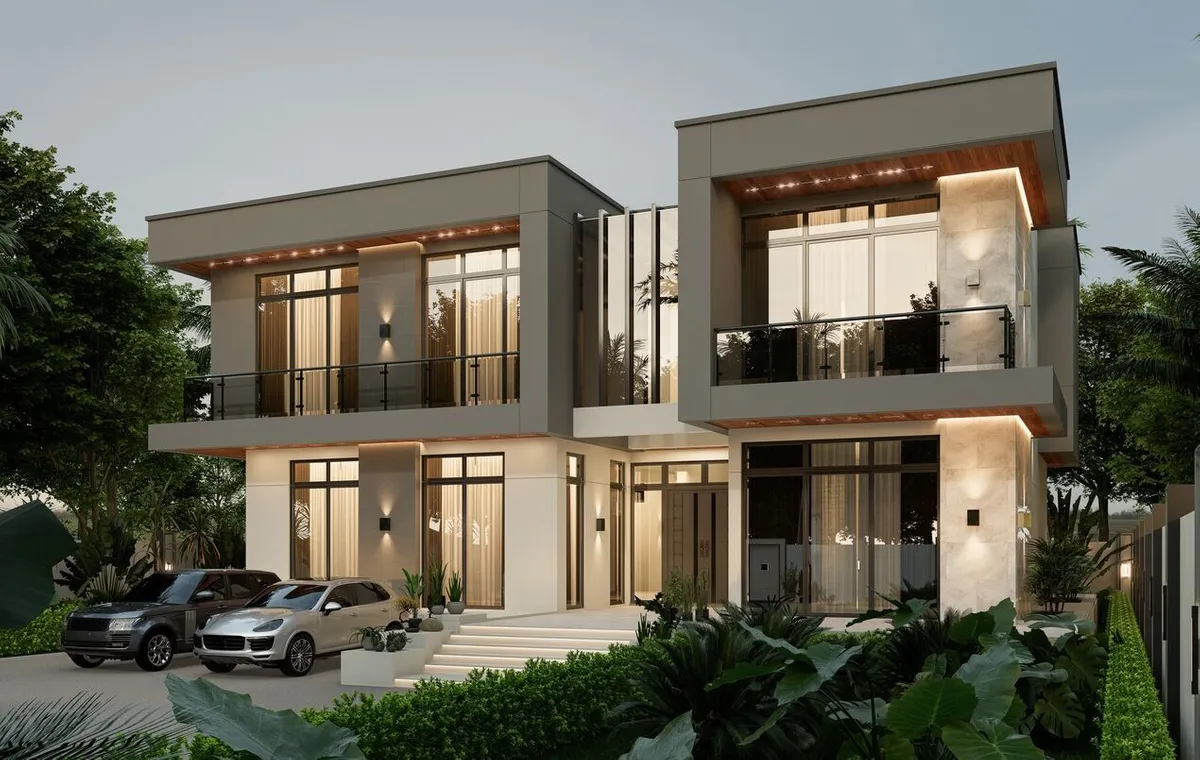
Per Annum’s luxury housing investment platform has crossed ₹500 crore in assets under management within a year of launch, signalling growing investor appetite for fractional residential ownership across India’s prime urban markets. The vertical, branded as Estates, has assembled a portfolio spanning Gurgaon, Noida, Mumbai and Bengaluru, focusing on high-end under-construction projects.
The milestone comes as the broader real estate market witnesses renewed traction in premium housing, driven by demand from professionals in financial services, technology and global capability centres. By structuring fractional ownership in luxury residential projects, Estates allows investors to participate in capital appreciation cycles without committing to full property acquisition.
According to company executives, the platform scaled rapidly after its launch in March last year, reaching ₹100 crore in managed assets within its first month and accelerating through the year to cross ₹500 crore by December. Industry observers say such momentum reflects the rising sophistication of retail investors who are seeking alternatives beyond traditional equity and debt products.
Unlike many fractional platforms that focus on leased commercial assets generating rental income, Estates concentrates on residential developments still under construction. The investment thesis centres on value appreciation over the development lifecycle, rather than steady yield. Real estate consultants note that this approach carries higher execution risk, particularly around project delivery timelines and market cycles. To mitigate these risks, the portfolio has been restricted to projects developed by established Tier-1 developers with strong balance sheets and delivery records. Over the past nine months, the platform has facilitated the acquisition of approximately 120 luxury housing units across key metropolitan corridors.
Geographically, Gurgaon was the initial anchor market, reflecting its position as a corporate and expatriate hub. Subsequent expansion into Noida, Mumbai and Bengaluru aligns with sustained demand in technology-led and financial districts. Urban economists suggest that fractional participation in such markets may broaden access to premium real estate at a time when outright ownership in these cities is increasingly capital intensive. The rise of platforms like Estates also intersects with changing patterns of urban wealth creation. As housing prices climb in well-connected neighbourhoods, structured investment vehicles are emerging as intermediaries between developers and smaller investors. This could influence capital flows into large-scale residential projects, particularly those integrated with transit networks and mixed-use planning.
However, analysts caution that regulatory clarity, transparent governance structures and investor education will be critical as the fractional ecosystem matures. Ensuring alignment between investor expectations and project timelines remains central to long-term credibility. As India’s metropolitan housing markets continue to consolidate around infrastructure corridors and climate-resilient developments, fractional models such as Estates may become a more visible part of the investment landscape. The next phase will test whether scale can be sustained alongside prudent risk management and responsible urban growth.
India Fractional Luxury Homes Hit 500 Crore