


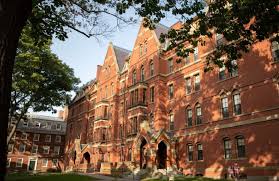
India’s real estate sector is poised for a structural shift as regulatory reforms enabling foreign universities to establish campuses begin translating into on-ground demand. With global higher education institutions now permitted to operate independently in India, the country is emerging as a new destination for education-led urban development reshaping demand across land, housing and mixed-use commercial assets.
Industry estimates indicate that the arrival of overseas universities will generate direct requirements for campus land parcels, student accommodation and faculty housing, while also stimulating allied sectors such as retail, hospitality and co-living. According to a recent joint study by two global advisory firms, foreign universities could collectively serve more than 560,000 students in India by 2040, creating nearly 19 million sq ft of specialised real estate demand and saving the economy over $100 billion in outbound education-related foreign exchange.mUrban planners say the opportunity is being driven by a convergence of global and domestic forces. As immigration regimes tighten across traditional education destinations such as the US, UK and Australia, universities are actively diversifying their geographic footprint. India’s policy reforms, demographic depth and cost competitiveness have positioned it as a viable long-term base rather than a satellite market. “The combination of regulatory clarity and demographic scale has created a rare window for global institutions to establish self-sustaining campuses,” said an education sector advisor involved in campus planning. “Unlike short-term international centres, these developments require long-lease land, residential stock and high-quality urban infrastructure.” The regulatory framework introduced in 2023 has begun to show tangible outcomes. Several foreign institutions have already commenced operations in designated financial and education zones, while state governments are accelerating land aggregation and infrastructure planning. Maharashtra, for instance, is developing a large education-focused district near the new Navi Mumbai International Airport, positioning it as a hub for global academic institutions.
From a city-readiness perspective, Delhi NCR, Bengaluru and Mumbai are emerging as frontrunners due to their research ecosystems, international connectivity and access to talent. Tier II cities such as Kochi and Chandigarh are also being evaluated for mid-scale campuses, offering lower land costs and the potential for integrated, low-carbon campus models. India’s higher education demand continues to outpace domestic supply. With over 155 million people currently in the college-going age bracket and a national target to lift gross enrolment significantly over the next decade, overseas study remains inaccessible for many students. Local campuses operated by foreign universities could help bridge this gap while anchoring long-term urban investment.
For real estate developers and institutional investors, education-linked assets represent a stable, counter-cyclical demand segment. As campuses expand over time, they are expected to anchor inclusive, mixed-use districts that combine learning, living and innovation aligning with broader goals of sustainable and equitable city-building.
Also Read: Mumbai Aditya Birla Real Estate Gains 3 Percent Post ITC Deal Clearance
India Foreign Campuses Arrival To Accelerate Education Led Real Estate Development
