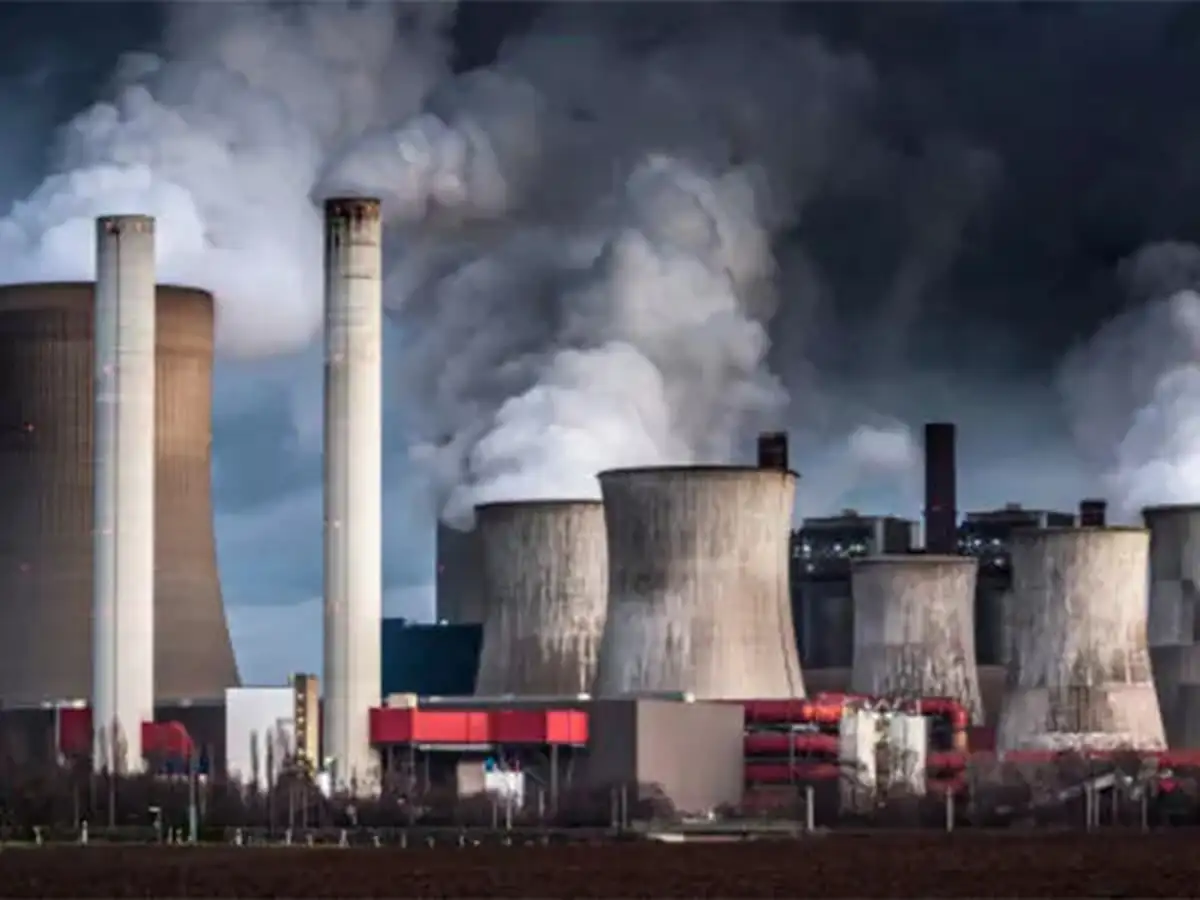
India is considering a significant extension of its coal-fired power capacity, potentially continuing new plant construction until 2047, sources familiar with the discussions said. The plan, currently under review by the power ministry and NITI Aayog, could raise total coal capacity by 87 per cent from present levels, reaching 420 gigawatts. Officials view this move as central to ensuring long-term energy security while supporting the nation’s broader ambition to achieve economic and industrial growth by mid-century.
Coal remains a cornerstone of India’s energy strategy due to abundant domestic reserves, estimated to last nearly a century. “Maintaining a reliable baseload through coal is essential for industrial and urban development, particularly as renewable integration scales up gradually,” an energy analyst noted. Policymakers see coal as a pragmatic tool to meet growing electricity demand while reinforcing the country’s goal of energy self-sufficiency.The proposal comes amid parallel efforts to expand renewable energy and battery storage infrastructure. Solar and wind projects, alongside grid-scale storage, are critical to India’s low-carbon transition. However, reliance on global supply chains, particularly for batteries and solar panels dominated by China, introduces strategic and geopolitical risks. Experts argue that extending coal capacity allows India to balance energy security with green ambitions, providing a buffer against potential supply disruptions.
Industry leaders expect official targets to be released once deliberations are complete, with guidance on plant capacity and construction timelines. Analysts emphasise that such a dual-track energy approach—expanding both coal and renewables—is a pragmatic reflection of India’s long-term planning needs. “The challenge is ensuring that fossil fuel expansion does not compromise sustainability goals while supporting industrial growth,” a senior urban planner said.The expansion also has implications for cities and regional infrastructure. Large-scale coal power projects can affect air quality, water usage, and local communities. Urban planners suggest integrating environmental safeguards, advanced emission controls, and energy-efficient transmission networks to minimise impact. This approach aligns with India’s broader sustainable urban development priorities, ensuring cities grow without exacerbating pollution or resource strain.Balancing coal expansion with renewable acceleration underscores India’s complex energy calculus. While coal underpins immediate power reliability, clean energy investments support the country’s net-zero ambitions. Analysts point out that careful policy coordination will be critical to navigate environmental, economic, and social dimensions. Urban centres, industry, and citizens are all poised to feel the effects of these decisions in the decades ahead.
As deliberations continue, India’s strategy reflects a dual imperative: secure energy supply to support mid-century growth ambitions while progressively embedding low-carbon and sustainable technologies into the national grid. The coming years will determine how effectively the country harmonises these priorities, shaping the future of its energy and urban landscape.