India Expressways to Get Smart Tolling System by 2029
India’s expressway network is poised for a major technology leap, with the Ministry of Road Transport and Highways (MoRTH) preparing to deploy a barrier-free tolling system across all four-lane and above expressways by 2029. This move, detailed in a recent Public Accounts Committee report tabled in Parliament, aims to replace stop-and-pay plazas with an advanced free-flow toll collection model, reducing congestion and cutting travel times.
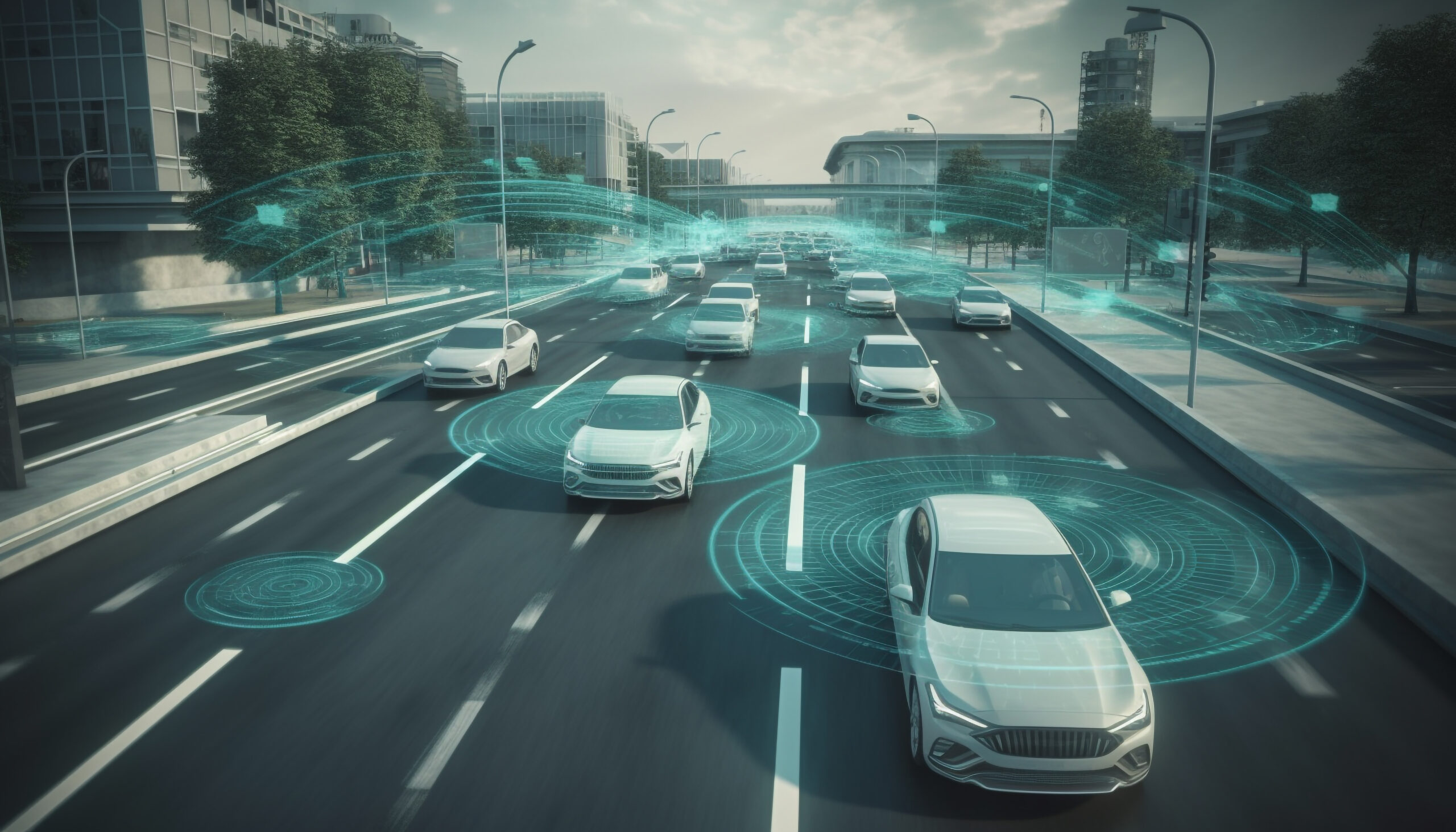
The planned system will rely on Automatic Number Plate Recognition (ANPR) cameras integrated with the existing FASTag framework, enabling toll deductions without the need for vehicles to halt. High-performance cameras will capture registration details, while Radio-Frequency Identification (RFID) FASTags will process payments automatically. Officials say this will allow vehicles to maintain consistent speeds through tolling points, improving fuel efficiency and lowering vehicular emissions.
The ministry has confirmed that the National Highways Authority of India (NHAI) is preparing for nationwide adoption, incorporating artificial intelligence to manage tolling accuracy, fraud detection, and dispute resolution. By using AI-backed analytics, the system will also provide real-time traffic data, assisting in better highway management. Current implementation efforts are focused on corridor-based pilot projects, with select stretches chosen to test integration challenges and operational reliability before scaling up to the entire network. Officials indicate that the corridor approach was selected over a satellite-based user fee system due to lower costs and the advantage of using existing FASTag infrastructure.
Transport policy experts note that barrier-free tolling is a crucial step towards modernising India’s highway operations, aligning with global best practices in smart mobility. Countries like Singapore, Norway, and the UK have already transitioned to similar models, citing gains in road safety, reduced bottlenecks, and enhanced revenue efficiency. The move also dovetails with India’s broader transport sustainability goals. Continuous vehicle movement at toll points reduces idling emissions, contributing to the country’s net-zero targets. It also supports the push for electric mobility, as seamless tolling minimises energy wastage for EVs during long-distance travel.
While the benefits are substantial, experts caution that a robust enforcement framework will be essential to ensure compliance, particularly in capturing number plates accurately in varying weather conditions and maintaining database integrity. Addressing potential privacy concerns around vehicle tracking will also be critical to public acceptance. If executed to schedule, India’s expressway users could see the last of physical toll barriers within the decade, ushering in a faster, cleaner, and more efficient road travel experience. For a country where highways are the backbone of intercity transport, this represents not just a technological upgrade but a significant stride towards sustainable and equitable mobility.