


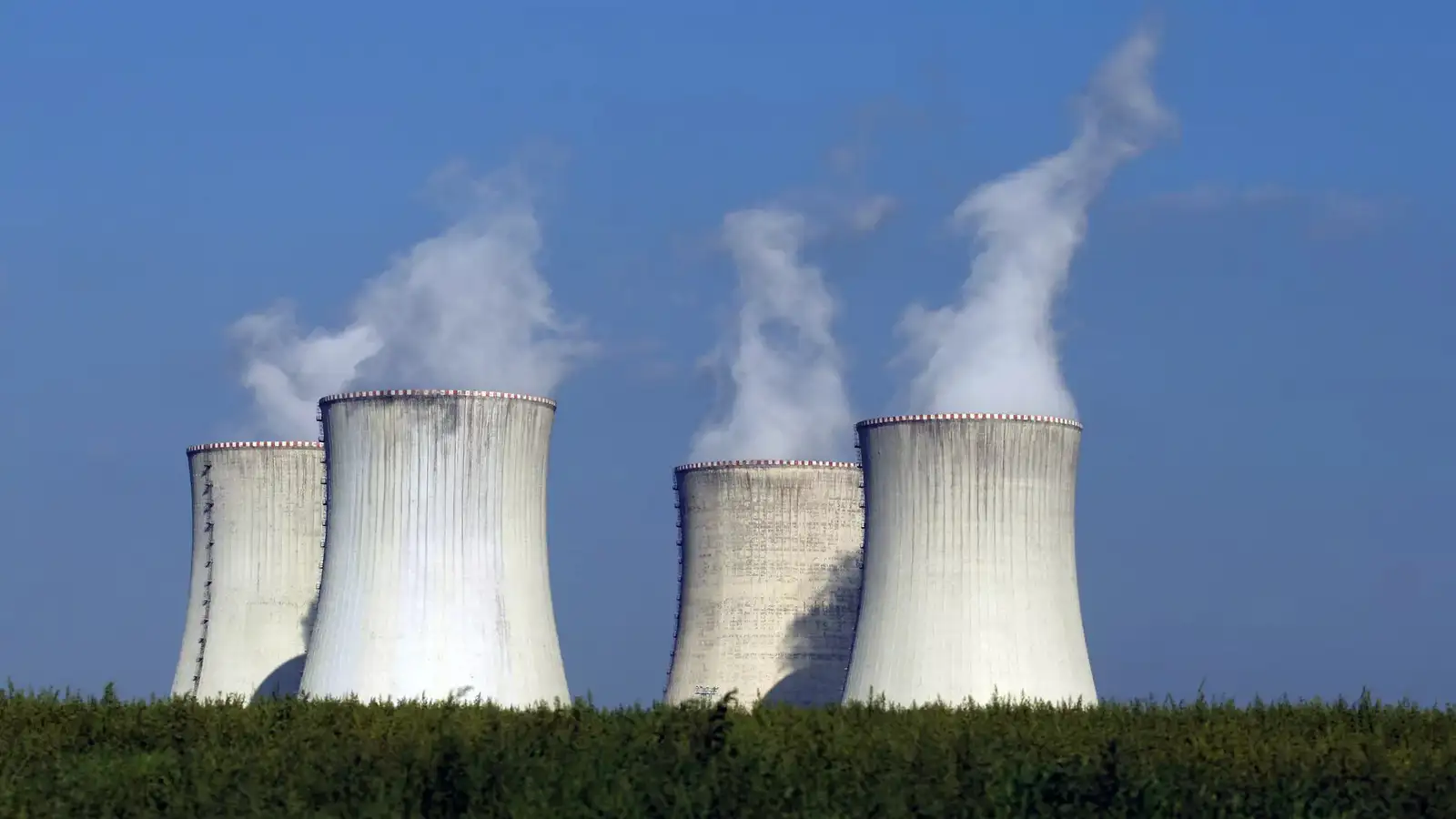
India’s nuclear energy programme is entering a new phase with planning activity progressing around a proposed nuclear power project in Kanyakumari district, alongside a parallel national assessment of converting ageing thermal power plants for atomic use. The developments, unfolding in Tamil Nadu and at the policy level, matter as India balances rising electricity demand with decarbonisation goals. The implications extend beyond energy, shaping regional economies, land use planning and long-term urban resilience. Officials involved in the programme indicate that preliminary work for the Kanyakumari project has moved forward, including site-level assessments and infrastructure planning. The coastal district’s location offers strategic advantages such as grid connectivity and access to cooling water, factors that influence large-scale power projects. Urban infrastructure specialists note that energy investments of this scale often act as anchors for regional development, triggering upgrades in roads, housing and public services.
At the national level, energy planners are also examining whether retired or underperforming coal-based thermal plants can be repurposed for nuclear generation. The concept centres on reusing existing land, transmission corridors and water access, potentially reducing both costs and environmental disruption compared to greenfield projects. Industry experts say this approach reflects a more resource-efficient transition strategy rather than abrupt asset abandonment. For cities and towns dependent on thermal power employment, conversion could soften economic disruption. Workforce retraining, ancillary services and long-term operational roles may help maintain livelihoods while shifting towards low-carbon energy. Economists argue that such transitions are critical for ensuring that climate action aligns with equitable growth rather than regional decline.
From a climate perspective, nuclear energy offers stable, low-emission baseload power, complementing intermittent renewables such as solar and wind. Grid planners point out that as urban electricity demand grows — driven by housing, electric mobility and digital infrastructure — dependable generation becomes increasingly important. Nuclear assets near demand centres can reduce transmission losses and enhance grid stability. However, challenges remain. Nuclear projects require long lead times, rigorous safety oversight and sustained public engagement. Urban and environmental planners stress the importance of transparent risk communication, disaster preparedness and land-use planning around nuclear facilities. Coastal locations like Kanyakumari will also need careful climate adaptation measures to address sea-level rise and extreme weather. Real estate and infrastructure markets are watching closely. Large energy projects often reshape local property demand, from worker housing to logistics and service hubs. Without integrated planning, this can strain local amenities. Experts recommend coordinated development frameworks that align housing, mobility and environmental safeguards from the outset.
Looking ahead, the Kanyakumari project and the evaluation of thermal-to-nuclear conversions signal a broader shift in how India views its energy infrastructure — not as isolated plants, but as long-term urban and economic systems. The success of this transition will depend on execution: aligning safety, sustainability and social outcomes while delivering reliable power for a rapidly urbanising nation.
Also Read: Bengaluru Grid Maintenance Disrupts Weekend Supply
India Explores Nuclear Reuse Of Thermal Assets
