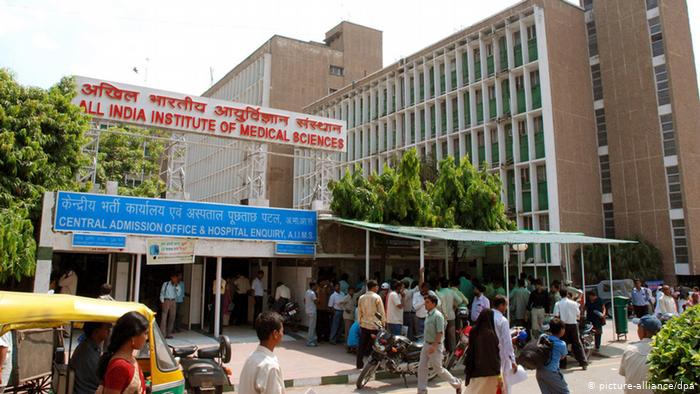
New Delhi — The Government of India outlined a sweeping vision to transform national health infrastructure and services, strengthening service delivery from rural primary care clinics to advanced digital systems while deepening equity in healthcare access for vulnerable populations.
This initiative, centred on expanding coverage and capability under core public health programmes, carries far-reaching implications for urban planning, economic productivity and integrated social infrastructure. At its core, the strategy prioritises universal health coverage by scaling up key flagship programmes, extending insurance reach and integrating advanced digital health records to serve hundreds of millions of citizens. With over 863 million digital health IDs already issued, public efforts are now focused on embedding interoperable health systems into everyday care delivery — a structural shift with strong potential to tie health outcomes to wider socio-economic indicators. Central to this national health architecture is Ayushman Bharat, the government’s umbrella framework that has evolved into a multi-tier ecosystem of insurance coverage, primary care wellness centres and an integrated digital backbone.
Originally conceived to provide cash-less secondary and tertiary treatment to economically disadvantaged households, this scheme now underpins preventive health outreach and community-based interventions, thereby reducing long-term costs and exposure to catastrophic medical expenditure. Healthcare planners point out that securing broad health access is not merely a social objective; it directly influences productivity, labour force participation and urban competitiveness. Urban Economic Models show that improvements in population health can raise collective output by lowering absenteeism, strengthening human capital and stimulating investment in cities with robust public service infrastructures. On the ground, the expansion of primary and community health facilities has been matched by efforts to fortify secondary and tertiary networks. The allocation for the national health insurance component alone was recently increased in the federal budget, a move intended to cover more beneficiaries and expand the pool of empanelled healthcare providers. The rollout of digital platforms — particularly the health-ID based interoperable system — represents one of the most transformational aspects of this agenda.
Analysts see this as a model of how digital public infrastructure (DPI) can be harnessed to bridge gaps between remote and urban services, improve patient data continuity, and enhance planning through real-time analytics. Cities with effective DPI adoption may gain a competitive edge in health delivery and overall quality of life. Experts note that institutionalising these systems also strengthens readiness for future public health emergencies. Investments in surveillance networks, teleconsultation services, and distributed lab capabilities bolster both preventive and crisis responses — a lesson reinforced during recent epidemic challenges. However, translating policy into equitable impact requires continued focus on accessibility, particularly for peri-urban and rural communities where health infrastructure deficits persist. Urban planners and public health professionals emphasise that linking health facilities with transport, sanitation and affordable housing is vital for holistic wellbeing and inclusive growth.
As these expanded programmes roll out nationwide, success will hinge on how effectively digital systems, primary care extensions and insurance frameworks converge to serve all segments of the population — supporting not just better health outcomes, but stronger, more resilient urban and rural economies.