India EV Rise Risks E Waste Spike Without Recycling
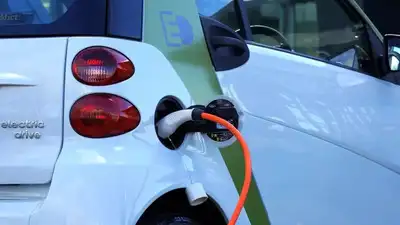
As India accelerates towards its 2030 goal of 30% electric vehicle (EV) adoption, the country faces a parallel challenge—how to manage the rising volume of used lithium-ion batteries.
With battery life ranging from five to ten years, a surge in end-of-life batteries is imminent, threatening to derail the country’s clean energy transition if recycling systems remain underdeveloped. Industry estimates suggest India could be recycling 1.2 million EV batteries annually by 2030, a figure that may climb to over 14 million by 2040. Currently, less than 5% of lithium-ion batteries are recycled through formal channels, leaving most spent batteries at risk of entering unregulated disposal streams. Improper handling of used batteries poses significant environmental threats. Lithium, cobalt, and nickel—core components of EV batteries—are not only hazardous when discarded but also strategically important due to their limited global supply. Contaminated waste can seep into soil and groundwater, while the demand for these minerals continues to grow amid volatile international supply chains. Experts argue that battery recycling offers a dual opportunity: reducing India’s reliance on critical mineral imports and preventing ecological degradation. However, infrastructure, policy enforcement, and public awareness remain key barriers to scaling recycling.
The need for regulatory clarity and action is urgent. Strengthening Extended Producer Responsibility (EPR) mandates would compel manufacturers and importers to manage the full lifecycle of batteries. Simultaneously, developing a nationwide battery collection system and investing in high-efficiency recycling plants are seen as essential next steps. Public engagement also plays a pivotal role. Without widespread consumer awareness on how to dispose of EV batteries responsibly, even well-built recycling systems risk underperformance. Campaigns aimed at educating users on safe return and collection mechanisms are increasingly being recommended. Technology and innovation are expected to be central to future solutions. Investments in research could lower the energy cost of recycling and improve mineral recovery rates. Emerging processes may help shift India’s informal recycling sector towards safer, formalised operations. Global partnerships are already helping India bridge the gap. The European Union’s battery recycling standards and India-EU Trade and Technology Council collaborations offer blueprints for policy and technical advancement. India’s lithium-ion battery demand is projected to reach 260 GWh by 2030. Without robust recycling ecosystems, the country’s ambitions for green mobility could face significant bottlenecks.
While the shift to electric transport is crucial, ensuring that the journey is sustainable requires a circular approach. Battery recycling is not just a waste management solution—it is a strategic imperative to secure critical resources, reduce emissions, and support green job creation.