


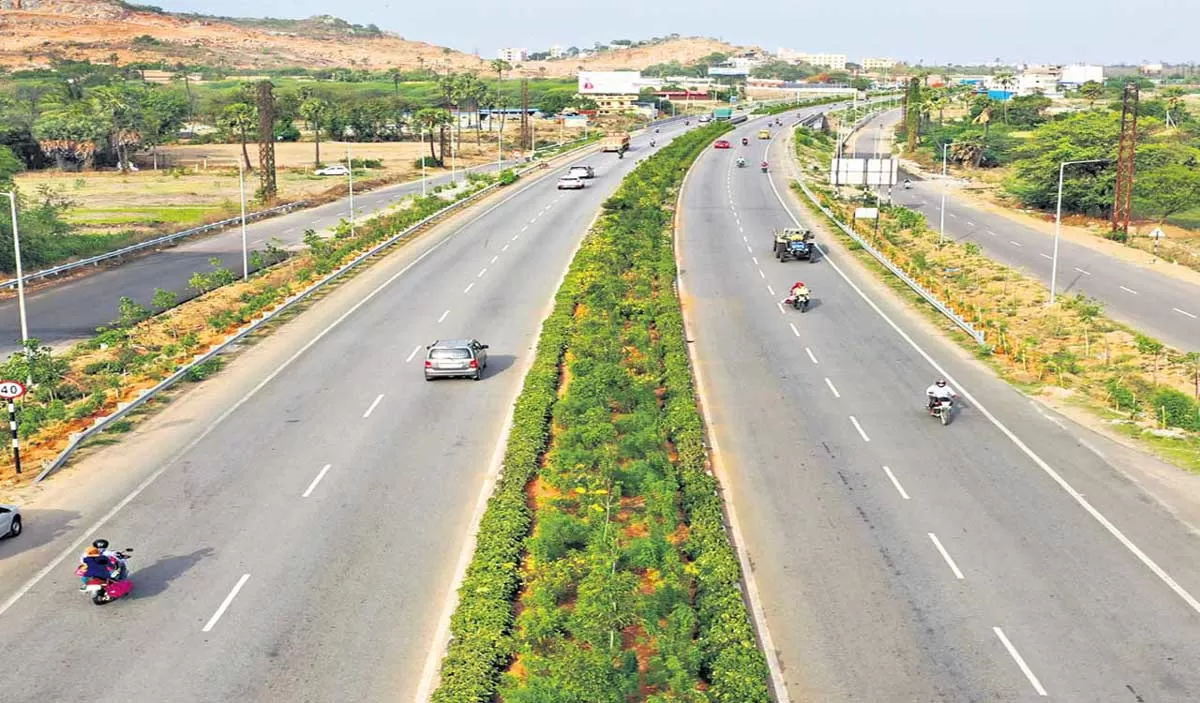
India is set to accelerate its transport transformation, with plans to upgrade 25,000 kilometres of two-lane highways into four-lane corridors and meet an ambitious road construction target of 100 km per day. This initiative is central to the government’s broader vision of sustainable, low-carbon mobility infrastructure.
New road construction has surged in recent years: India’s national highway network expanded from approximately 91,287 km in 2013–14 to around 146,000 km today—a 60% growth. Simultaneously, High-Speed Corridors now span over 2,474 km, up from just 93 km a decade ago. Union Minister of Road Transport and Highways emphasised that this infrastructure expansion complements futuristic mobility projects such as urban hyperloop corridors, electric rapid mass transport, and 360 ropeway, cable car, and funicular rail systems—60 of which are already under construction in remote and hilly regions including Kedarnath.
From an environmental standpoint, the government is layering sustainability into infrastructure upgrades. Plans include planting 20–25 crore trees along highways, adhering to a policy of planting five trees for every one removed, with mechanisms such as a “tree bank” being advanced in coordination with the Environment Ministry. This green canopy supports both air quality improvement and biodiversity. In addition, public transport is receiving a technological boost. A pilot electric bus project in Nagpur—with 135 seats, airline-style amenities, top speeds of 120–125 km/h, and fast charging in 30–40 minutes—is expected to operate at 30% lower cost than diesel counterparts and reduce greenhouse gas emissions. Plans exist to deploy such buses along major intercity routes like Delhi-Jaipur, Mumbai-Pune, and Bangalore-Chennai.
Safety and efficiency are further enhanced through cutting-edge tools—AI-based monitoring, drones, precast construction, and three-foot-high barriers are being integrated, alongside 670 roadside amenities approved across national highways to improve traveler convenience. Moreover, 11 automakers, including Tata, Toyota, Hyundai, and Mahindra, have committed to developing flex‑fuel vehicles capable of using ethanol, methanol, and traditional fuel blends. This is intended to reduce reliance on fossil fuel imports and lower India’s annual fuel import bill of ₹22 lakh crore.
The combined strategy is expected to reduce logistics costs from 14% to 9% of GDP, boost industrial competitiveness, and deliver low-carbon, high-efficiency mobility solutions to both urban and remote regions.
Also Read : Heavy Monsoonal Rains Have Increased Water Reserves To 74 Percent In Mumbai Lakes
