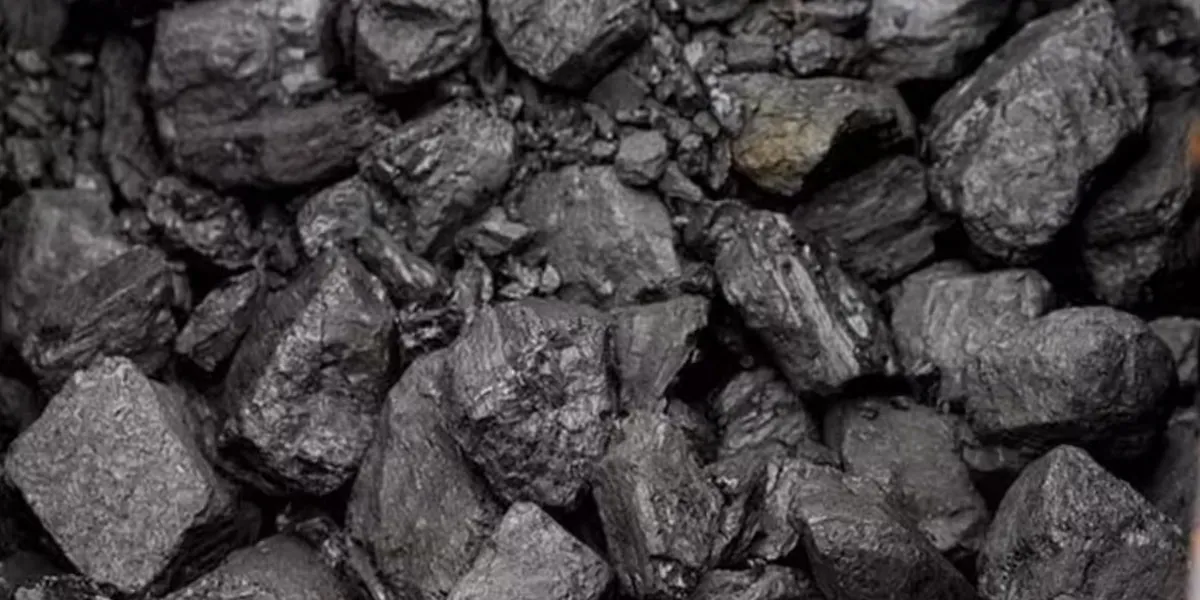
India’s import of coal used for blending in thermal power plants fell sharply — by over half in the April–December period of the current financial year, as domestic production and stockpiles improve and energy planners adjust supply mixes. The retreat in coal imports — traditionally a hedge against supply shortages — reflects shifting dynamics in the nation’s power infrastructure, energy security and urban electrification planning with potential implications for climate and grid resilience.
Government data shows that coal imported specifically for blending with domestic supplies at thermal power stations dropped to roughly 5.5 million tonnes (MT) in the first nine months of the year, down from around 12 MT during the same period last year. This reduction coincides with a sustained build-up of domestic coal stocks at power plants and a concerted push by policymakers to maximise indigenous output.Blending imported coal with local supplies has been a long-standing practice designed to manage quality variations and maintain boiler performance across diverse plant designs. However, experts in energy planning say the recent plunge in import volumes suggests confidence in domestic supply and logistics adequacy — a development that can temper exposure to volatile international markets and support more predictable electricity delivery for cities and industries alike.
Thermal power stations accumulated significant coal stocks earlier in the season, with inventories crossing key thresholds weeks ahead of historical averages. This buffer has allowed utilities to rely more on domestic coal, reducing the urgency of imported blending stocks while maintaining operational reliability ahead of peak demand months for urban and rural electricity networks.For urban centres, which depend on stable power supply for residential, commercial and industrial use, improved domestic fuel availability strengthens energy security and planning confidence. Local grid operators and municipal officials point to enhanced coal logistics — supported by rail and port efficiencies — as a factor that contributes to fewer disruptions and better demand forecasting.
However, analysts also caution that reduced import dependence does not equate to diminished challenges in India’s broader energy transition. Coal remains the backbone of electricity generation, and its environmental footprint — especially in densely populated city corridors — continues to raise concerns among climate resilience planners. Renewable capacity expansion is rising, but coal still meets a majority of baseline power needs across states. Potential future shifts in power fuel mix will need to balance the twin goals of reliability and decarbonisation.Economists note that reduced reliance on imported coal also has macroeconomic implications; lower import volumes can ease foreign exchange outflows and strengthen fiscal space for infrastructure investments. Yet sustainability advocates emphasise that reducing carbon intensity in the energy sector remains critical to India’s climate commitments and its urban environmental quality objectives.
As the power sector evolves, the current decline in imported coal for blending underscores a transitional phase where domestic supply optimisation, infrastructure planning, and clean energy expansion must progress together to ensure secure, low-carbon electricity for India’s rapidly growing cities and industries.