


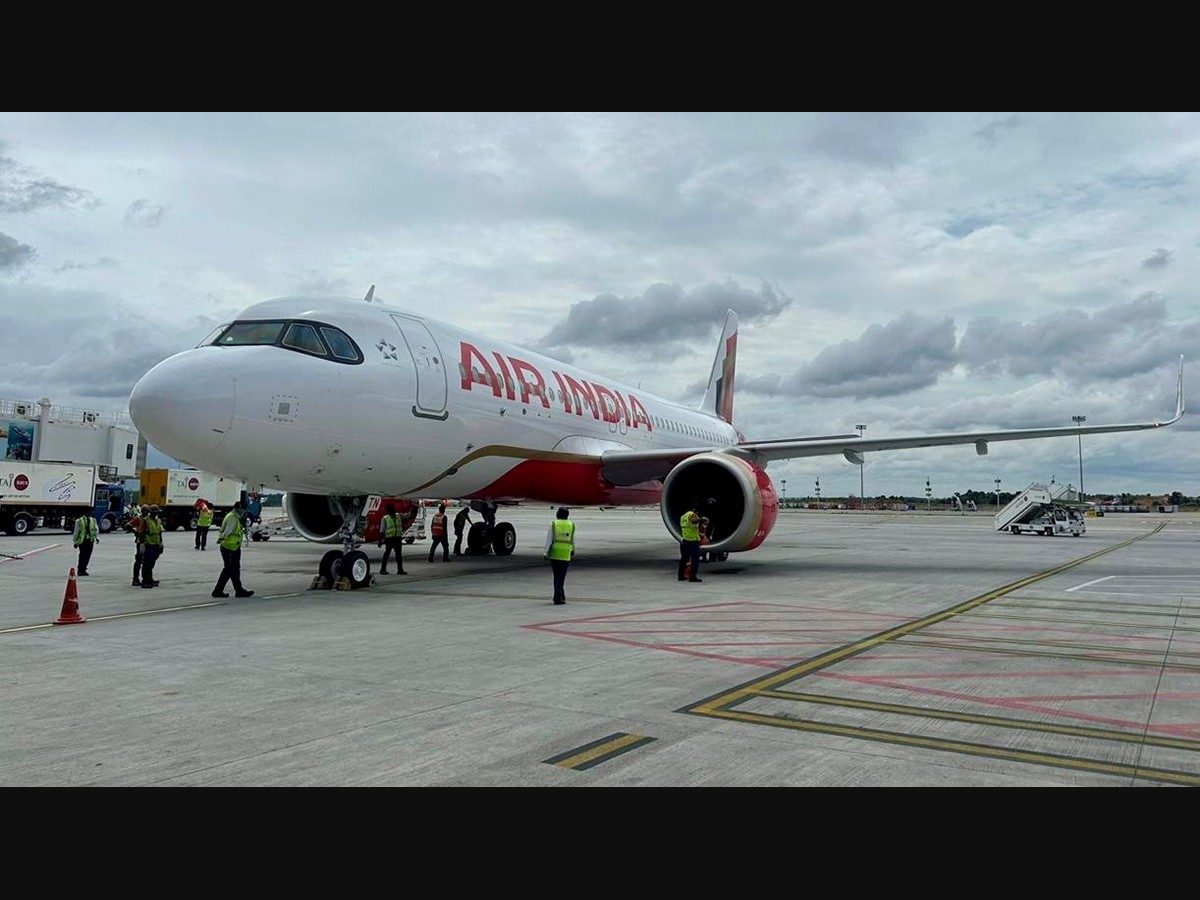
Domestic air passenger traffic in India is projected to rise 7–10 percent in FY 2026, reaching 175–181 million travellers, according to ICRA — a continuation of robust demand despite lingering financial pressure on airlines. The growth follows a 7.6 percent year-on-year increase in FY 2025 (165.4 million passengers), positioning the industry approximately 17 percent above pre‑COVID levels.
Yet ICRA warns that, despite rising passenger volumes, Indian airlines are expected to remain unprofitable, with combined net losses estimated at ₹20,000–30,000 crore in both FY 2025 and FY 2026 — a marked contrast to the ₹1,600 crore profit recorded in FY 2024. The sustained losses—though significantly narrower than the ₹23,500 crore and ₹17,400 crore deficits of FY 2022 and FY 2023—stem from persistently high aviation turbine fuel (ATF) costs, rising aircraft lease liabilities, and fixed-cost burdens. ATF prices remain about 47 percent above pre‑pandemic levels, and new aircraft deliveries are inflating interest costs. Interest coverage ratios are expected to stay in the 1.5–2.0x range, indicating modest resilience.
On the international front, Indian carriers are forecast to log even sharper traffic gains—15–20 percent growth in FY 2026, following a 14.1 percent jump in FY 2025’s 33.9 million passengers. Recent monthly indicators support this growth story. May 2025 saw domestic traffic at 14.36 million travellers—a 4.1 percent increase from May 2024—with capacity deployed up 5.1 percent year‑on‑year . April figures were even stronger, with a 10.2 percent rise. ICRA attributes the loss run mainly to pressure on yields: while demand remains strong, airlines are compelled to maintain high passenger load factors (PLFs), keeping ticket prices low. In combination with elevated fuel costs, interest burdens, and lease growth, profitability remains elusive.
Still, ICRA maintains a “stable” sector outlook. Pricing discipline—evidenced by healthy RASK over CASK spreads—helps to buffer losses. For airports, further relief comes via revenue diversification: ICRA anticipates 18–20 percent revenue growth for airport operators in FY 2026, driven by both passenger rise and non-aero services. From a sustainable-transport perspective, expanding air travel could bolster connectivity for remote and tier‑II/III regions, injecting social and economic equity. However, aviation’s environmental cost is significant: more frequent flights increase carbon emissions per passenger journey. To align with zero-carbon objectives, airlines must prioritise fleet modernisation, invest in sustainable aviation fuel blends, and optimise load/route efficiency.
For cities, planners and carriers must simultaneously develop rail and bus corridors that complement air travel, reducing carbon intensity while promoting equitable access—especially for gender and socio-economic inclusivity. Moreover, airlines can explore low-cost ticketing models to keep aviation accessible without sacrificing environmental responsibility. In summary, India’s aviation sector is locked in a paradox of soaring demand and recurring losses. Growth forecasts look strong across domestic and international routes, but cost pressures still outweigh revenue. Navigating this requires nimble financial management, yield optimisation, green technology investments, and strategic multimodal integration—without undermining passenger affordability.
Also Read: Bihar Cabinet Approves Six UDAN Airports To Improve Connectivity
