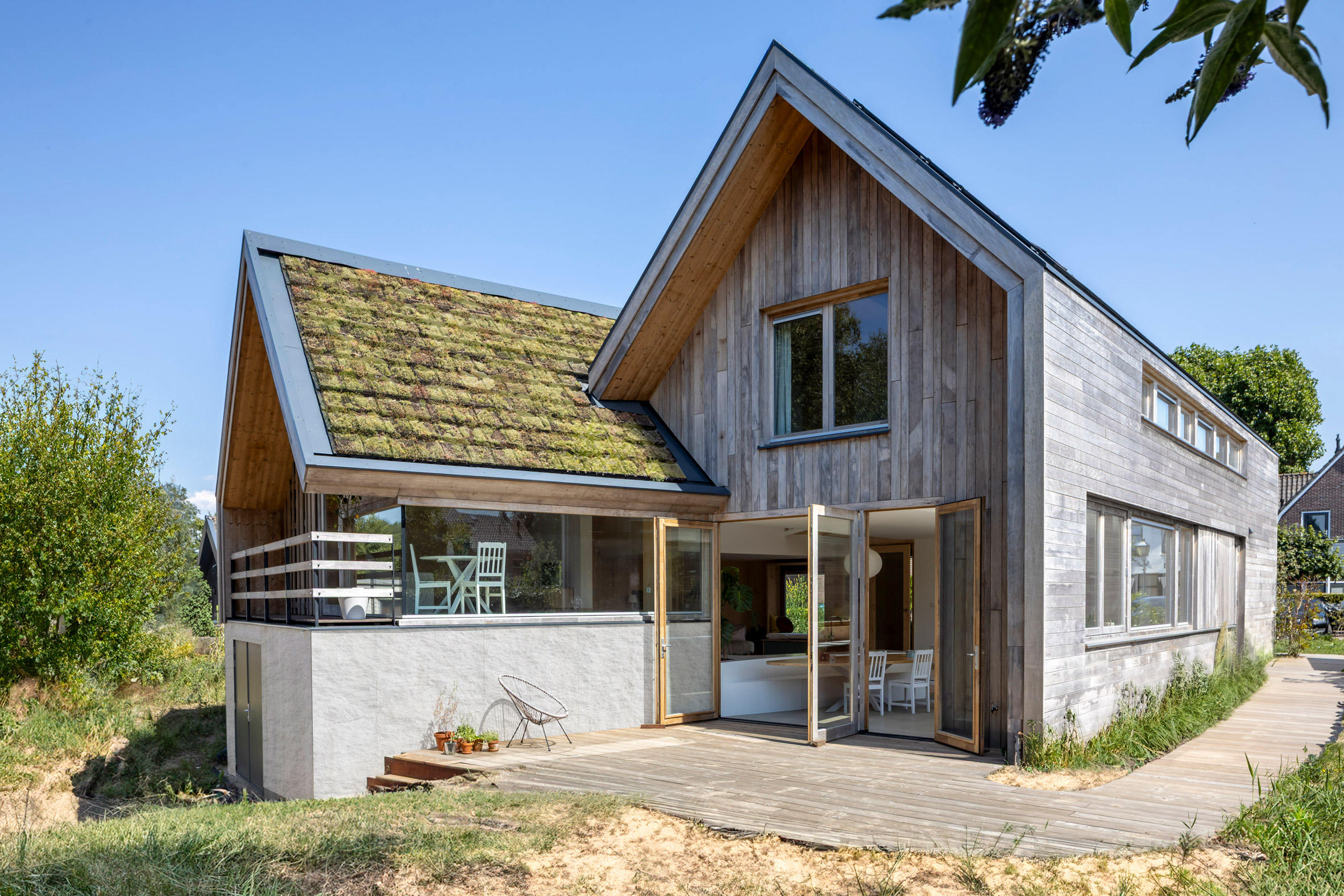
India Design Sector Watches Woonpioniers Light House Trends
New Delhi’s architecture and urban design community is closely watching international innovation after the release of Light House by Dutch studio Woonpioniers, a project highlighted by Vogue’s design channel Dezeen as a notable example of climate‑responsive residential architecture. The project exemplifies how homes can be shaped by natural light, seasonal rhythms and efficient use of space — ideas that are resonating with India’s rapidly densifying cities where sustainability and livability are increasingly central to housing design.
Based in Amsterdam, Woonpioniers is known for experimental residential projects that prioritise ecological performance and user‑centric design. Although Light House itself is rooted in European contexts, its underlying principles — passive energy solutions, seamless indoor–outdoor transitions and strategic spatial organisation — are gaining traction among Indian practitioners seeking to reduce operational energy consumption and enhance occupant comfort in warm‑climate conditions. Architectural experts say Light House reflects a growing global shift toward environmentally integrated homes that respond to light, wind and heat in ways that reduce reliance on mechanical heating and cooling systems. Such strategies are particularly relevant for Indian cities like New Delhi, Bengaluru and Pune, where rising summer temperatures drive significant electricity demand and urban heat island effects strain both residents and infrastructure. Thoughtful orientation and passive design can significantly cut cooling loads and improve indoor air quality — a key goal of climate‑resilient architecture in high‑growth urban corridors. The Woonpioniers approach also emphasises bio‑based materials and modular construction techniques — methods that are increasingly debated in India’s real estate and housing sectors.
Urban planners note that prefabricated, energy‑efficient homes can shorten delivery timelines for affordable housing, reduce waste on construction sites and deliver consistent quality across large developments. India’s ongoing national housing initiatives have explored alternative and sustainable construction technologies, including precast and light gauge steel systems, to meet the dual demands of speed and climate performance. For developers and design firms in India, the appeal of projects like Light House lies in how they bridge architecture with lived experience — leveraging natural light for ambience and passive thermal comfort, and framing interior spaces that adapt to human rhythms. Urban architects argue that as middle‑income segments seek homes that feel spacious and healthful despite compact footprints, incorporating such calibrated design principles could enhance livability without inflating costs. There are limits to direct application, of course. Local building codes, climatic conditions and cost structures in India differ sharply from Western Europe. However, the dialogue generated by Light House underscores a broader lesson: sustainable, people‑centred housing evolves when architectural practice prioritises contextual environmental performance over purely aesthetic interventions. This aligned with India’s own policy emphasis on energy‑efficient buildings and climate‑responsive urban design as part of its national sustainability goals.
As Indian cities continue to expand and retrofit existing residential stock, architects and planners say that synthesising global innovations like those exemplified by Woonpioniers with local vernacular wisdom could form the basis of a new generation of resilient, high‑quality urban homes — ones that harness light, climate and material intelligence to improve comfort while lowering environmental impact.