


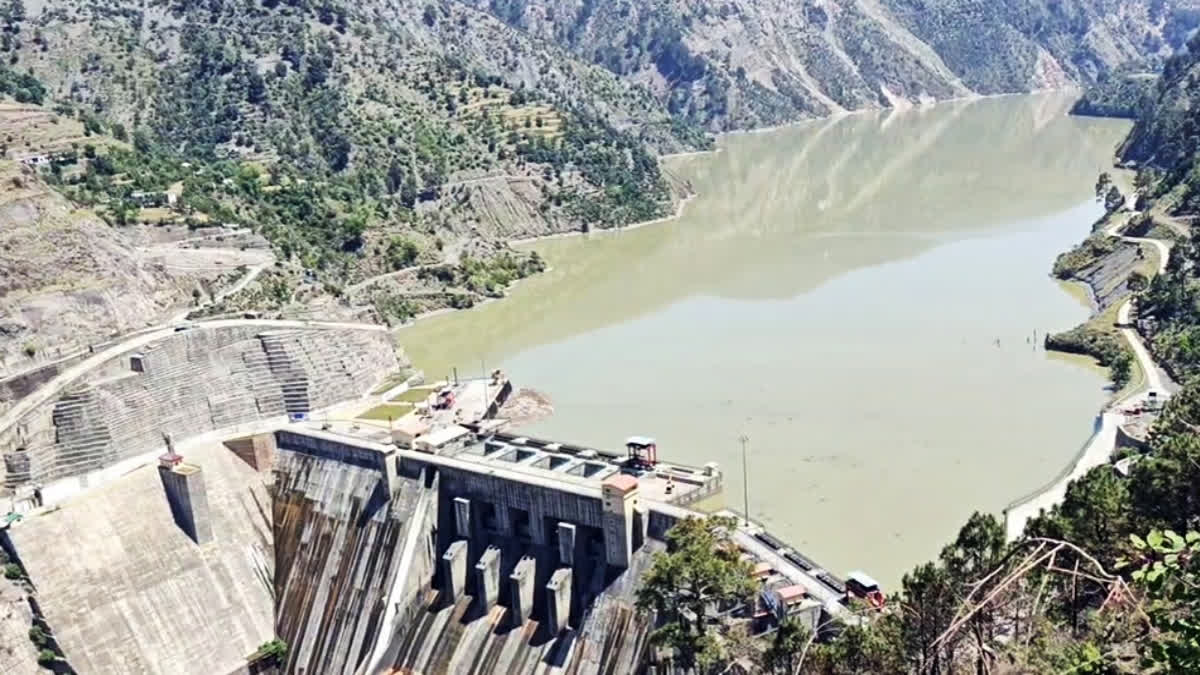
India has significantly reduced water flow from the Baglihar Dam, located on the Chenab River, as part of its broader strategy to address water-sharing issues linked to the Indus Water Treaty (IWT).
The decision, which follows heightened tensions after the deadly terror attack in Pahalgam on April 22, reflects growing geopolitical and hydrological concerns in the region.
India has slashed the water flow by an unprecedented 90% as part of its ongoing de-silting operations at the Baglihar Dam, which has long been a point of contention under the IWT. The river, one of the western rivers allocated to Pakistan under the 1960 treaty, has become a focal point of discord between the two nations. The latest move is not just a technical decision but a clear statement of intent, signalling a tough stance in the wake of deteriorating relations.
As India continues to assert its position, there are reports that it plans similar actions at the Kishanganga Dam, located on the Jhelum River, another of Pakistan’s designated rivers under the treaty. This dam, situated in the Gurez Valley, will undergo major maintenance work that includes halting water flow, further intensifying the pressure on Pakistan. Officials from the National Hydroelectric Power Corporation (NHPC) have stated that de-silting operations and maintenance at the Kishanganga Dam will mirror the approach taken at Baglihar, potentially reducing Pakistan’s water supply even more.
The move comes after India made substantial progress on several hydropower projects in Jammu and Kashmir, including the Pakal Dul, Kiru, Kwar, and Ratle projects. These projects, which are being developed on the Chenab and its tributaries, are expected to be completed between 2027 and 2028. With an investment worth billions, these projects are set to not only provide significant energy outputs but also help India exert greater control over its water resources.
India has long maintained that the IWT allows for the construction of hydropower plants and the use of water for electricity generation, as long as these projects do not affect the flow of water to Pakistan. However, Pakistan has consistently raised objections to India’s projects on the grounds that they violate the spirit of the treaty by reducing the amount of water available for Pakistan’s agricultural and domestic needs.
Despite Pakistan’s objections, India is reportedly determined to pursue its water policy aggressively, including exploring all available avenues to harness the rivers for national benefit. Officials from the NHPC indicated that around 50 engineers are stationed in Jammu and Kashmir to oversee these operations, which are seen as critical to India’s long-term water and energy security.
The water flow reductions at both the Baglihar and Kishanganga dams have prompted concerns that the tensions could spiral into a full-blown dispute, especially as Pakistan has already voiced its displeasure at India’s increasing control over the rivers. The situation is further complicated by ongoing geopolitical dynamics, with both countries remaining on high alert over border security and diplomatic matters.
India’s push to enhance its hydropower capabilities in Jammu and Kashmir is likely to have long-term ramifications, not only for its energy security but also for its water management strategy in the region. As both nations grapple with the complex web of international treaties, infrastructure development, and national security concerns, the future of the Indus Water Treaty hangs in the balance. The international community will closely monitor how this delicate water-sharing arrangement evolves and whether further tensions will lead to diplomatic confrontation or renewed efforts to resolve the dispute amicably.
Also Read: Pimpri Chinchwad Launches Advanced Flood Warning System
