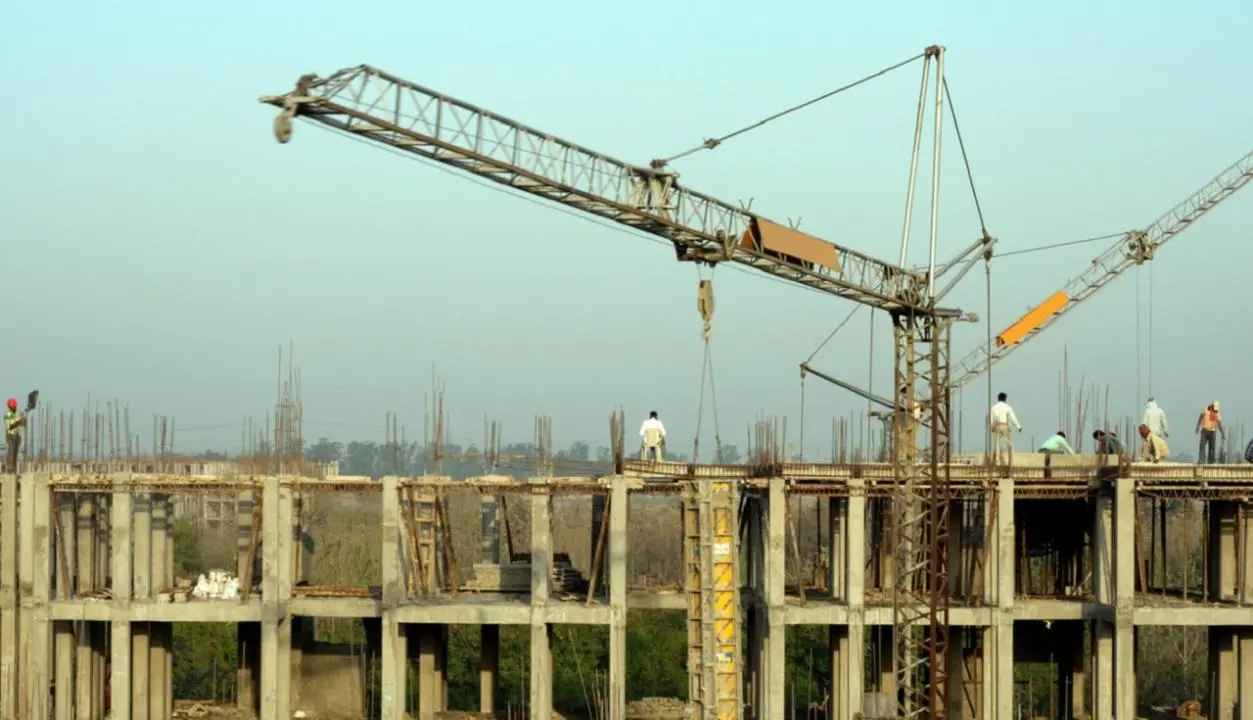
India Construction Equipment Domestic Sales Slowdown
India’s construction equipment (CE) industry has registered a notable contraction in domestic sales in the first nine months of the current financial year, underscoring emerging demand headwinds linked to a slowdown in infrastructure activity. Industry data shows a nearly 9–10% decline in units sold in the domestic market through December 2025 compared with the same period last year, even as exports expanded significantly, offering partial relief to manufacturers.
The downturn in domestic shipments — from roughly 89,000 units to about 81,500 units — reflects sluggish infrastructure project execution across key sectors, including roads and highways, rail projects, and urban public works. This softening in equipment uptake has broader implications for employment, credit demand and supply chains that are tightly interlinked with capital infrastructure expansion across India’s cities and regions. Industry analysts note that the CE market serves as a bellwether for the wider investment cycle in construction and urban development. Slower government contract awards and execution delays — partly due to land acquisition and regulatory bottlenecks — have cushioned the near-term demand for excavators, loaders and other earthmoving machinery. These trends are mirrored in broader quarterly sales data, which show sustained weakness across most product categories over the last two quarters.
For major segments such as earthmoving and material handling equipment, sales have declined by nearly one-digit percentages year-on-year, signalling subdued replacement demand and delayed capital expenditure by contractors. Even road construction machinery, traditionally tied closely to public infrastructure outlays, has seen muted uptake, a situation that could slow targeted outcomes under programmes related to highways and smart city expansions. A key counterweight to the domestic slump has been robust overseas demand. Exports of construction equipment climbed by over a quarter in the same period, highlighting the competitiveness of Indian manufacturers in international markets and the strategic value of diversifying revenue streams beyond local infrastructure cycles.
However, industry stakeholders also point to challenges that are unique to the domestic context. Transition to newer emission norms — aimed at reducing pollutants and aligning with global environmental standards — has temporarily dampened buyer sentiment as operators adjusted to higher capital costs and evolving regulatory compliance. Access to financing remains uneven, especially for smaller contractors, affecting investment decisions in capital-intensive equipment. Urban planners and industry experts suggest that a more synchronised approach to project delivery, land approvals and financing facilitation could accelerate market recovery, especially as India’s National Infrastructure Pipeline rolls out its next phase. Optimising execution bottlenecks and front-loading key awards in roads, urban transit and renewable energy corridors may help restore confidence among equipment buyers and suppliers alike.
Looking ahead, the CE industry is positioning itself to benefit from anticipated government capital expenditure priorities in the upcoming budget cycle, alongside a continued push for supply-chain localisation. While short-term demand remains challenged by execution gaps, structural reforms in project delivery and financing would be crucial to reigniting sustained growth in domestic CE demand.