India commissions longest 33 km railway viaduct improving connectivity
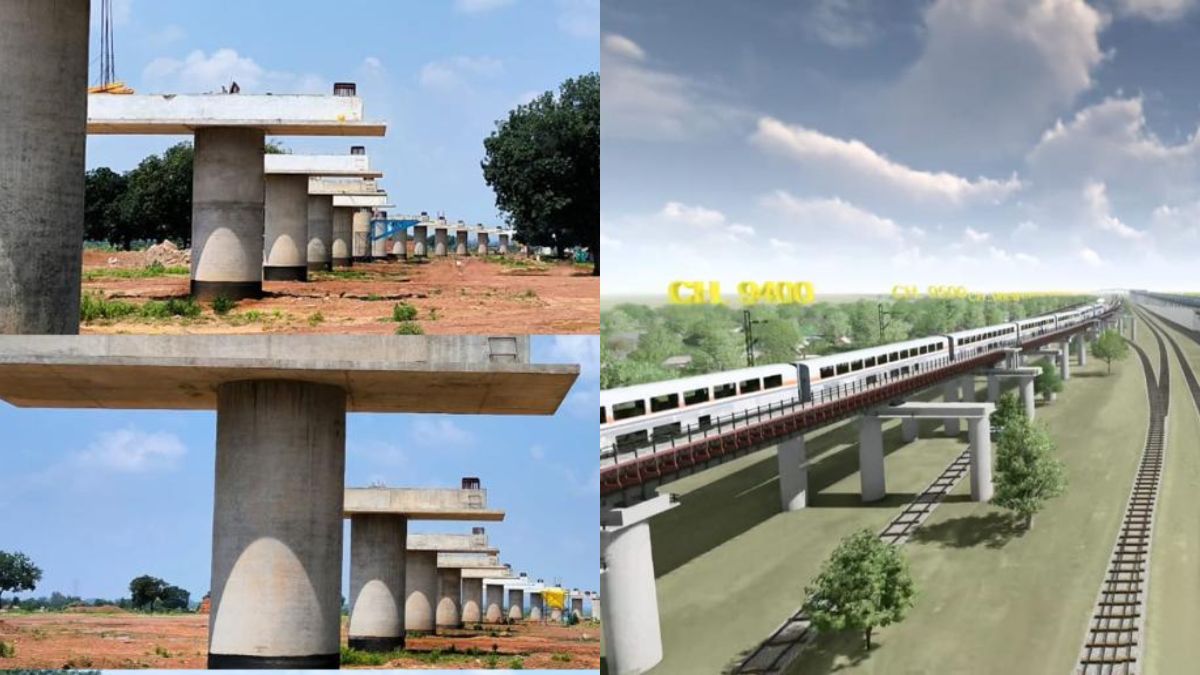
Katni in Madhya Pradesh has achieved a major infrastructure milestone with the commissioning of India’s longest railway viaduct, the Katni Grade Separator. Built at a cost of ₹1,800 crore, the 33.40-kilometre structure is set to redefine connectivity and efficiency in passenger and freight movement across central India, strengthening Indian Railways’ broader vision of sustainable and high-speed transport infrastructure.
The viaduct comprises two major corridors a 17.52-kilometre down grade separator currently under construction and a 15.85-kilometre up grade separator that has now been successfully commissioned. The newly opened stretch was cleared after an exhaustive safety inspection, which included technical checks on bridge structures, joints, ballast, sleepers, overhead electrification, and level crossings, all benchmarked against railway standards. Officials emphasised that the project has been executed with advanced technology, modern machinery, and superior-quality materials, ensuring both durability and resilience.A crucial highlight of the trial was the speed run at 120 km/h across the newly built section, demonstrating the viaduct’s readiness for full-scale operations. Once entirely operational, the grade separator will provide seamless connectivity between Bina and New Katni Junction, decongesting existing routes while improving punctuality and efficiency of both passenger trains and goods transport.
Railway authorities overseeing the project confirmed that the viaduct will significantly reduce travel time, streamline train movement, and minimise delays caused by track conflicts in the region. This enhancement is expected to improve the competitiveness of rail freight, offering industries across central India more reliable transport options while reducing dependency on road haulage an important step towards cutting carbon emissions.Experts also highlighted the socio-economic benefits of the project. Beyond easing travel for lakhs of daily passengers, the viaduct is expected to accelerate regional industrial growth, stimulate employment opportunities, and facilitate smoother logistics for coal, minerals, and agricultural produce key commodities in the central Indian economy.
The Katni Grade Separator stands as more than just an engineering achievement; it embodies Indian Railways’ shift towards building climate-resilient, eco-efficient, and future-ready infrastructure. As India works towards its net-zero carbon goals, projects like these reflect the country’s intent to align modern infrastructure growth with sustainability imperatives.While the viaduct’s commissioning marks a turning point, the completion of the remaining down-grade separator will be critical to unlocking its full potential. For now, Katni has earned its place on the infrastructure map, showcasing how modern railways can be both an engine of economic growth and a pathway towards greener, more equitable cities.