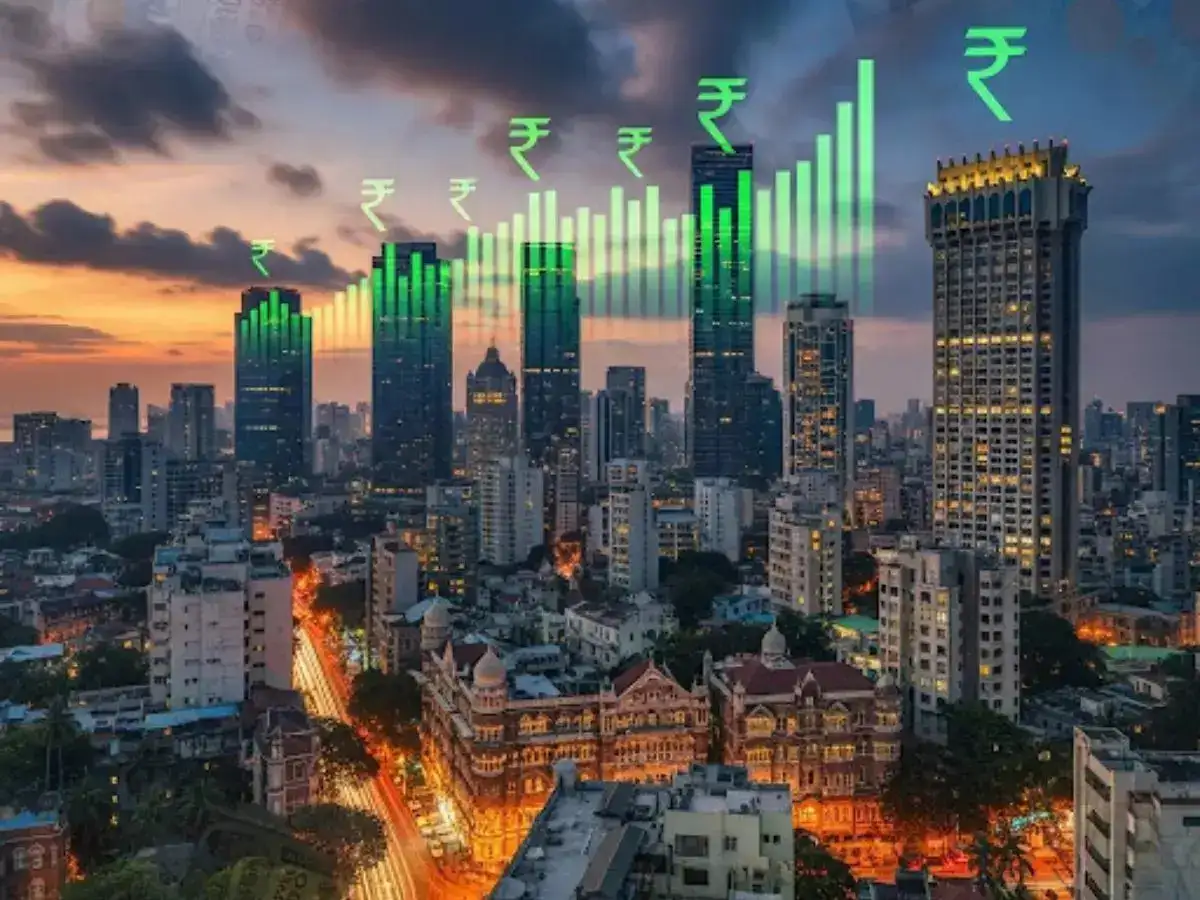
India Commercial Real Estate Market Sees Rapid Growth
India’s commercial property sector is entering a decisive expansion phase, with fresh market projections indicating a near fivefold increase in value by 2034. The anticipated surge highlights how office demand, logistics infrastructure, and institutional investment are collectively reshaping the country’s urban economy and built environment.
Estimates from IMARC Group place the India commercial real estate market at roughly $59.7 billion in 2025, with expectations of reaching $281.7 billion within the next decade. This trajectory reflects not just cyclical recovery, but a structural shift in how Indian cities plan, build, and monetise commercial assets.At the centre of this growth is the rapid rise of Global Capability Centres (GCCs), which have evolved into major occupiers of Grade A office space. Industry observers note that multinational firms are increasingly treating India as a strategic base for high-value operations, including artificial intelligence, engineering, and financial services. This shift is driving demand for large, tech-enabled campuses in cities such as Bengaluru, Hyderabad, and Chennai, while also pushing expansion into emerging urban centres.
Alongside office growth, the India commercial real estate market is being reshaped by logistics and warehousing demand. The continued expansion of e-commerce and manufacturing supply chains has triggered the development of large-scale industrial parks on city outskirts. Urban planners point out that this trend is influencing land use patterns, transport infrastructure, and regional economic corridors, particularly around Tier-1 and Tier-2 cities.Another defining feature is the increasing role of Real Estate Investment Trusts (REITs), which are helping formalise the sector. By improving transparency and enabling retail participation, REITs are drawing long-term institutional capital into Indian real estate. Market analysts say this shift is critical for stabilising returns and funding large-scale developments aligned with global governance standards.
Sustainability is also becoming a central consideration. A growing share of new commercial developments is being designed to meet green building certifications, as tenants and investors prioritise energy efficiency and indoor environmental quality. This transition is expected to influence construction practices, operational costs, and tenant preferences, particularly in dense urban clusters facing climate and pollution challenges. Flexible workspaces are adding another layer of transformation. As hybrid work becomes embedded in corporate strategy, companies are opting for shorter leases and adaptable office formats. This is encouraging developers to design modular buildings that can accommodate changing occupancy needs while maintaining high utilisation rates.
The India commercial real estate market, therefore, is no longer defined solely by physical expansion. It is increasingly tied to digital integration, environmental performance, and evolving workplace dynamics. For cities, this presents both an opportunity and a challenge balancing rapid growth with infrastructure readiness, climate resilience, and inclusive access to economic benefits. Looking ahead, the sector’s trajectory will depend on how effectively policymakers, developers, and investors align growth with long-term urban sustainability. As capital flows increase and demand diversifies, the next phase of development is likely to shape not just skylines, but the broader economic and social fabric of India’s cities.