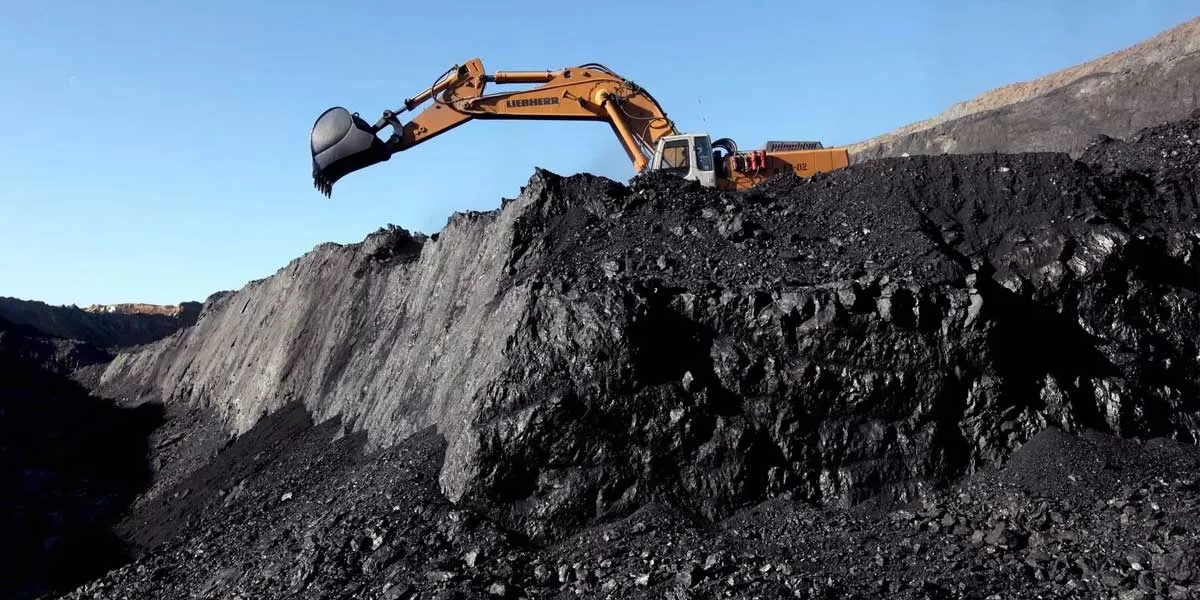
Dhanbad Coal Operations Hit By Nationwide Labour Strike
India’s imports of coking coal, the metallurgical grade used in blast furnace steelmaking, climbed nearly 10 per cent in 2025, reflecting robust domestic steel production and persistent raw material gaps that could shape the nation’s industrial and infrastructure trajectory. Analysts say this sustained import trend underscores structural dependencies in the steel and construction materials sectors, with significant implications for supply chains, urban growth and climate strategies.
According to recent data, India received about 62.6 million tonnes of coking coal last year, nearly 10 per cent more than in 2024, with an additional 21 million tonnes of pulverised coal for injection into blast furnaces. Combined metallurgical coal imports, including both coking and PCI grades, reached around 83.2 million tonnes in 2025. The import surge stems from rising crude steel output in India, where domestic production continues to expand despite a broader global downturn in steelmaking. Steelmakers are increasing output to service infrastructure, heavy industry and urban construction demand — all sectors where steel is an essential input. Domestic coking coal production, largely constrained by quality and processing limitations, has not kept pace, prompting greater reliance on overseas supplies.
Australia remains the dominant supplier of premium hard coking coal to India, accounting for over half of the imported volumes, while Russia, the United States and Canada are gradually expanding their market share. Pattern shifts in supplier mix reveal strategic buying by Indian mills as they seek to balance quality, price and delivery reliability amid global commodity volatility. Domestic production by subsidiaries of state-owned Coal India Ltd fell by about 10 per cent year-on-year, exacerbating reliance on seaborne imports. Much of India’s indigenous coking coal is of lower quality and diverted to energy use due to insufficient beneficiation capacity, leaving steel producers unable to meet a significant portion of their requirements without foreign sources.
For urban developers and infrastructure planners, the persistence of high coking coal imports has multiple downstream implications. Steel prices and availability directly influence costs and timelines for construction projects, from housing and transit networks to industrial facilities. Supply chain disruptions or price spikes in coking coal markets can ripple into project financing and execution risk, particularly where long-term contracts and material forecasting are essential. The trend also intersects with environmental and climate policy considerations. India’s steel sector remains heavily carbon-intensive due to its dependence on blast furnace technology powered by coking coal. While imports meet immediate demand, long-term climate strategies — including increased recycling, alternate low-carbon steelmaking routes and domestic coal beneficiation — could reshape import dynamics.
Looking ahead, consultancy forecasts suggest that coking coal imports will remain elevated through 2026 and 2027, even as India pursues ambitious steel production targets. These projections underscore the need for integrated industrial and energy policy frameworks that balance economic growth, supply security and decarbonisation goals.