India Coal Supply Stable Amid Global Energy Uncertainty
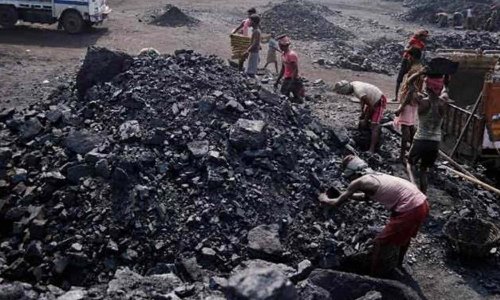
India’s energy system remains insulated from global fuel disruptions, with Coal India Limited (CIL) confirming adequate coal availability to meet rising demand across power and industrial sectors. The assurance comes at a time of heightened geopolitical uncertainty in West Asia, reinforcing the role of domestic coal in maintaining energy and infrastructure stability.
Senior leadership at Coal India Limited has indicated that coal stocks across mines and supply chains are sufficient to support uninterrupted consumption. The company, which accounts for over 80% of India’s coal output, has strengthened stockpiles and supply mechanisms to ensure continuity across power generation and core industries. This stability is particularly significant as India prepares for peak electricity demand driven by summer consumption and expanding industrial activity. Coal continues to power nearly three-quarters of the country’s electricity generation, making it central to maintaining grid reliability during periods of stress. The current India coal supply stability reflects a broader shift towards self-reliance in energy provisioning. With disruptions affecting global gas markets and shipping routes, domestic coal has become the primary buffer supporting thermal power plants and energy-intensive sectors such as steel and cement. These industries form the backbone of urban infrastructure development, including housing, transport networks, and industrial corridors.
Recent data indicates that coal stock levels at mine heads and power plants have increased significantly compared to previous years, offering a multi-layered buffer against demand surges. This stock build-up has allowed the system to absorb fluctuations without affecting downstream consumption, particularly during seasonal peaks.The implications for urban development are substantial. Stable coal supply ensures consistent production of cement and steel—materials critical to construction and infrastructure delivery. In a rapidly urbanising economy, any disruption in these supply chains could delay projects and escalate costs, particularly in large-scale public works and affordable housing.At the same time, the reliance on coal underscores the ongoing tension between energy security and sustainability. While domestic coal provides immediate resilience, it also raises long-term challenges around emissions and environmental impact. Policymakers and industry stakeholders are increasingly exploring complementary pathways, including renewable energy expansion and coal gasification technologies, to reduce the carbon intensity of growth.
Experts suggest that maintaining India coal supply stability will depend not only on production levels but also on efficient logistics, rail connectivity, and distribution networks. Ensuring that coal reaches end-users without bottlenecks is as critical as maintaining adequate reserves.Looking ahead, India’s ability to manage energy risks amid global uncertainty will shape the trajectory of its infrastructure and urban development agenda. With domestic coal acting as a stabilising force, the focus is likely to shift towards balancing immediate energy needs with long-term transitions to cleaner and more resilient systems.