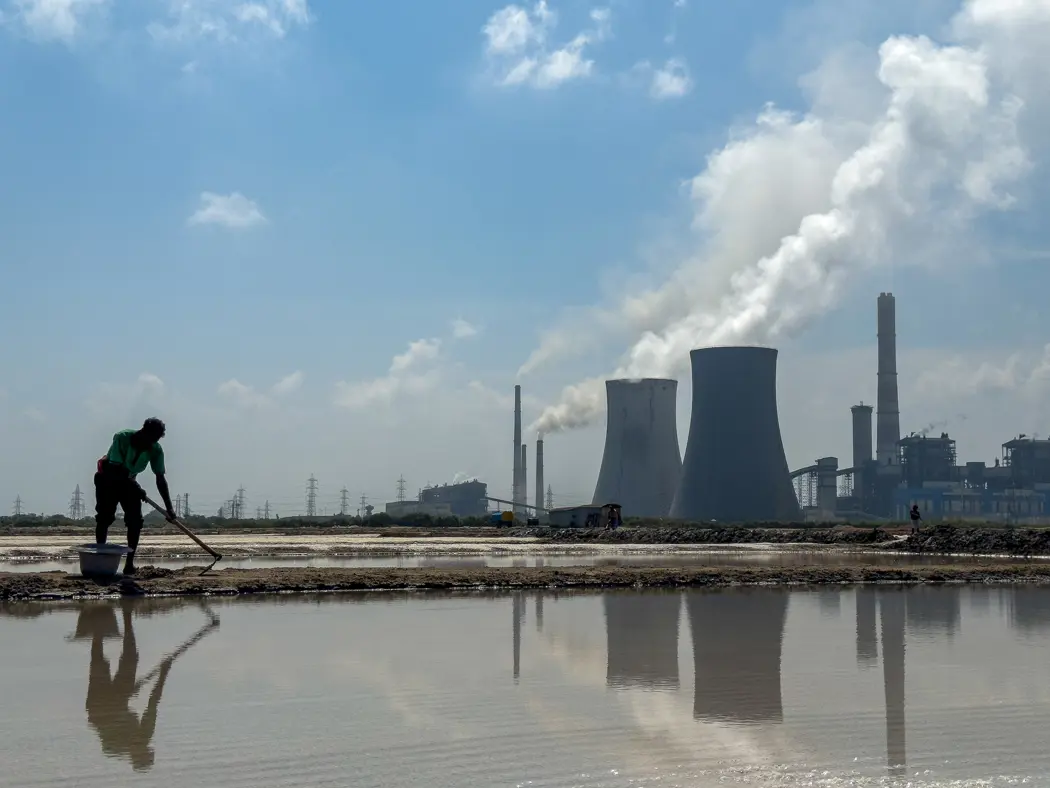
For the first time in half a century, India experienced a year-on-year decline in coal-fired electricity generation in 2025, as clean power growth and evolving demand dynamics reshaped the country’s energy mix. This rare contraction — with output down roughly 3 % compared with the previous year — reflects a structural shift in how India meets its growing electricity needs and underscores the rising influence of renewables in the nation’s urban and industrial economies.
Coal has long been the backbone of India’s power sector, accounting for roughly 70 % of electricity generation and serving as a dependable base-load source for cities, factories and infrastructure networks. Yet the 2025 decline in coal generation marks only the second recorded annual drop over at least five decades, and the first driven significantly by the expanding contribution of cleaner sources rather than atypical demand shocks.Analysts point to record clean-energy expansion, slower demand growth and milder weather as key factors behind the downturn. Last year saw accelerated additions in solar and wind capacity, helping to provide a substantial share of incremental power while reducing reliance on coal plants. This trend aligns with government targets to build out renewable capacity and diversify India’s energy portfolio.
In parallel, generation from hydroelectric sources also grew, further easing pressure on the thermal fleet. While coal remains central to India’s energy security, especially during peak demand periods and in regions where transmission bottlenecks constrain renewable dispatch, the contraction in coal output highlights a gradual pivot toward a more flexible energy system.The broader energy context in India reveals robust investments in renewables. According to recent data, renewable energy sources — including solar, wind and hydro — are fast approaching parity with fossil capacity on the grid, as utilities and policymakers prioritise low-carbon infrastructure development and energy reliability. Strong additions in solar capacity in particular have helped moderate coal generation even as total electricity consumption continues to grow.
Urban and industrial stakeholders are watching these developments closely. For rapidly expanding cities, reliable and affordable power underpins economic growth, and a diversified energy mix that includes a strong clean component can help cushion against fuel price volatility and supply disruptions. Moreover, lower coal dependence can contribute to improved air quality and reduced greenhouse gas emissions, dovetailing with India’s long-term climate commitments.However, challenges remain. Coal will continue to play a significant role in India’s energy landscape for years to come, with capacity additions and existing plants still critical for meeting around-the-clock demand. The test ahead lies in managing the transition — strengthening grid flexibility, investing in storage and ensuring that renewable output can reliably meet peak loads without undermining economic growth or grid stability.
As India moves toward its renewable targets, the 2025 dip in coal-fired power signals both a milestone and a crossroads — one where policy choices and infrastructure investments in the coming years will be pivotal to sustaining momentum toward a more resilient and climate-aligned energy future.