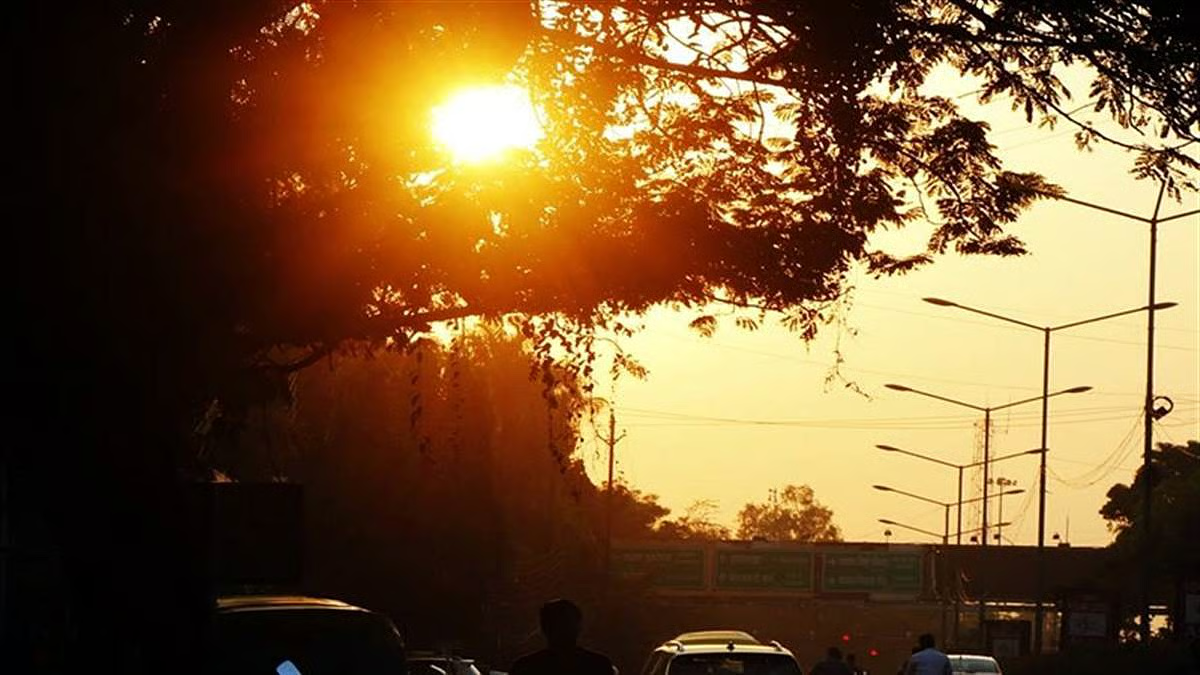
A shifting weather pattern across India is bringing a combination of early heat, scattered rainfall and fresh snowfall in mountain regions, according to the latest India weather outlook issued by national meteorological authorities. While a weakening atmospheric disturbance over the Bay of Bengal continues to influence conditions across the country, urban centres are experiencing fluctuating temperatures and humidity levels that could affect daily mobility, energy demand and city infrastructure operations.
Meteorologists say the system, although gradually losing intensity, is still triggering patchy rainfall in select northern and western states while pushing temperatures above seasonal averages across large parts of north-western India. Cities including Delhi, Jaipur and Chandigarh are already reporting daytime temperatures several degrees above typical early-March levels, a trend expected to persist over the coming days. The India weather outlook also highlights snowfall prospects across higher Himalayan regions. Elevated terrain in Himachal Pradesh and Uttarakhand may witness light snow activity, while colder conditions remain entrenched across sections of Jammu and Kashmir where sub-zero night temperatures continue to prevail. Such fluctuations often influence water storage patterns and seasonal snowmelt that feeds rivers supplying major northern cities.
In contrast, western and central urban belts are experiencing dry heat and rising daytime temperatures. Ahmedabad is forecast to approach the upper end of the seasonal range, with maximum temperatures nearing 39°C, while Delhi’s daytime readings are expected to remain significantly above the long-term average. Urban climate researchers note that early seasonal warmth can intensify the heat island effect in densely built environments, where concrete surfaces and limited vegetation amplify temperature build-up. Southern and coastal regions present a different weather picture. Chennai and other coastal cities are expected to remain humid with partly cloudy skies and light sea breezes. Mumbai, meanwhile, continues to experience warm and moist conditions typical of the pre-summer transition period, with modest wind speeds offering limited relief from humidity.
Meteorological officials indicate that isolated rain showers may also develop in parts of eastern Rajasthan and western Uttar Pradesh. Although such rainfall is expected to be brief, it could bring temporary respite from rising temperatures and improve local air quality levels in urban clusters. Urban planners increasingly monitor such variations in the India weather outlook because seasonal weather shifts influence energy consumption, water management and transport efficiency in cities. Rising temperatures in early spring often drive higher electricity demand for cooling systems, while unpredictable rainfall can challenge stormwater infrastructure if drainage networks are not adequately maintained.
Experts in climate-resilient urban planning emphasise that these evolving weather patterns highlight the need for cities to integrate climate-responsive infrastructure, from improved drainage and urban green spaces to efficient cooling systems in residential and commercial buildings. As India moves closer to the summer season, authorities are expected to track temperature trends and rainfall distribution carefully. For rapidly growing urban regions, the evolving India weather outlook serves as a reminder that climate variability is increasingly shaping how cities plan infrastructure, manage resources and protect residents from extreme weather risks.
India Cities Weather Outlook Shows Mixed Conditions