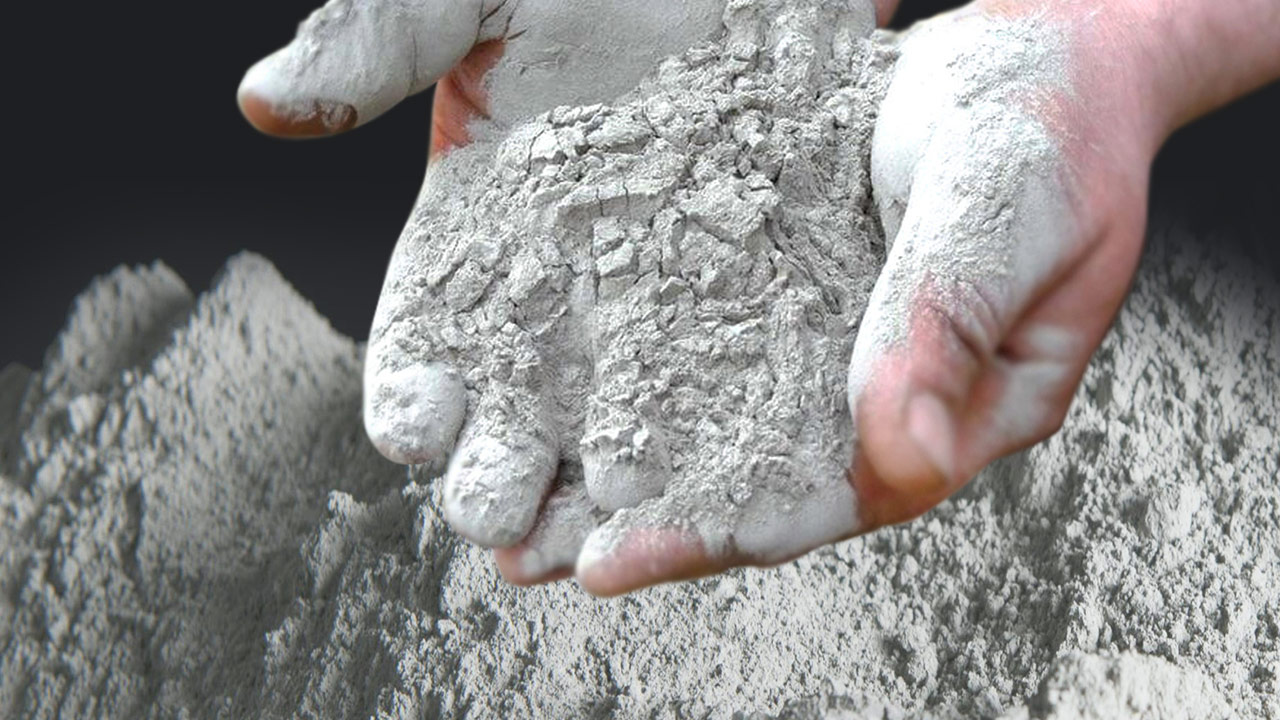
India Cement Volumes Surge Amid Market Rebalancing
India’s cement sector recorded double-digit year-on-year growth in dispatch volumes in the December quarter, signalling resilience in domestic construction demand even as pricing pressures persisted across several regions, according to industry data shared this week. The trend reflects a complex phase in the built environment, where infrastructure projects and housing demand are both underpinning material uptake while realisation dynamics remain soft, with implications for urban growth and sustainability outcomes.
Several leading producers reported elevated capacity utilisation and expanded volumes relative to the same period last year, a contrast to earlier quarters when demand was more muted. This uptick was most evident in aggregate shipment figures across major markets, underscoring continued investment in civic infrastructure and large-scale urban works that absorb significant cement inputs. Urban planners and construction specialists suggest this reflects an evolving order book in the public and private sectors, bridging slower residential starts with renewed momentum in roads, metros and industrial facilities.However, an uneven pricing environment tempered some of this volume growth. Average realised prices for cement remained subdued in the December period, restrained in part by competitive dynamics and lingering effects of tax rate adjustments. In response, several firms emphasised a shift towards premium and blended cement products to bolster margins without dampening demand, a move with potential environmental benefits as blended cements often have a lower carbon footprint than traditional grey cement.
Energy and input cost pressures, particularly from elevated petcoke and coal prices, also weighed on operating conditions for manufacturers, affecting how far cost increases can be passed through to end buyers. Industry analysts note that this context is shaping a market where operational efficiency and product differentiation are increasingly vital, especially in urban corridors where build schedules are tight and lifecycle sustainability is a priority.Among specific segments, ready-mix concrete (RMC) saw strong expansion, indicating that large urban infrastructure projects and high-density construction zones are prioritising on-site mix quality and logistical optimisation. This trend aligns with broader urban planning objectives that emphasise quality, safety and reduced material waste in dense city contexts.
Looking ahead, policymakers and industry stakeholders point to government capital expenditure plans and tax rationalisation measures — including recent budgetary allocations for transport corridors and urban utilities — as supportive of sustained cement demand. Independent sector assessments project continued growth in overall construction material usage if infrastructure execution accelerates and housing demand in tier-2 and tier-3 cities strengthens.
For India’s built environment, the latest volume figures signal a transition from recovery to selective growth, where urban and peri-urban construction activity is climbing but price dynamics and input costs will be critical factors. What comes next will depend on how swiftly infrastructure projects move from planning to delivery, and how the sector balances demand growth with environmental and cost considerations in a resource-intensive industry.