


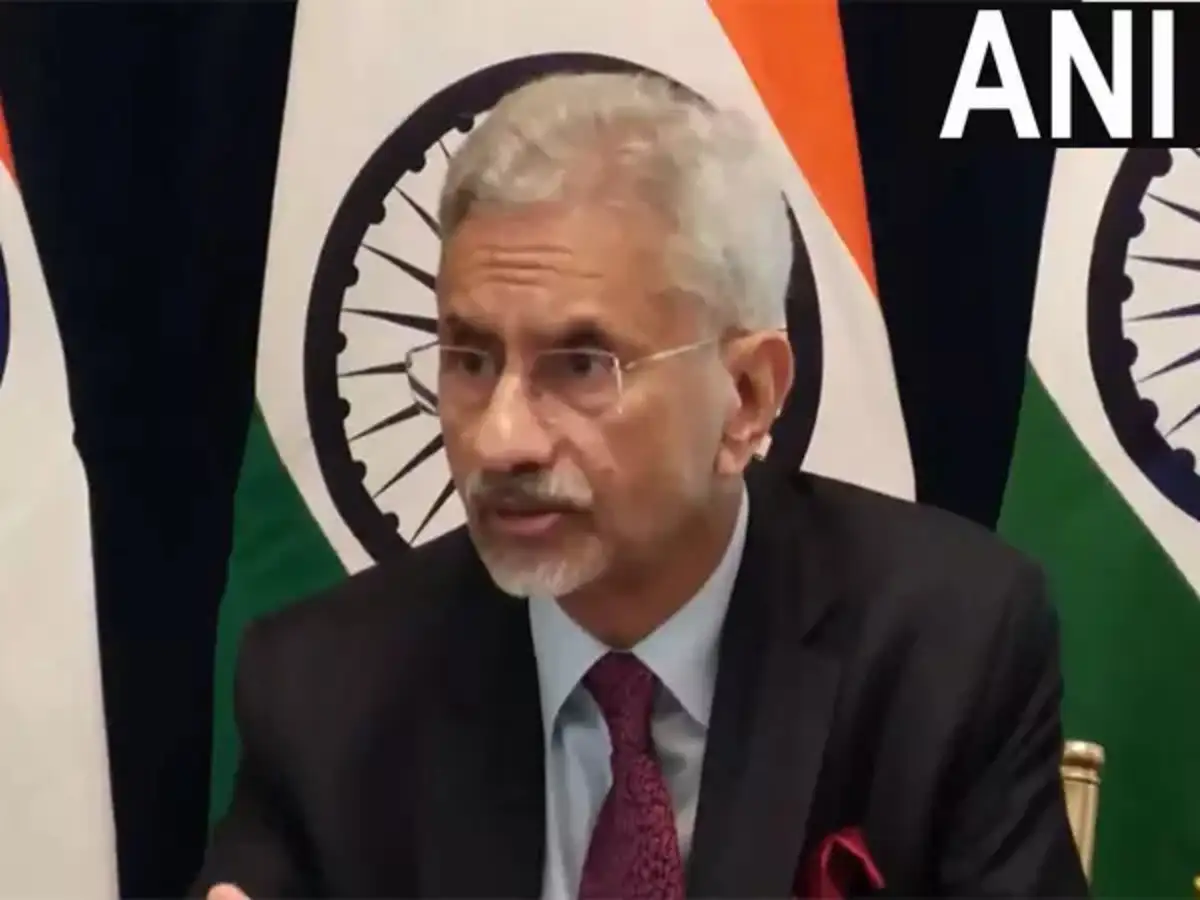
India has issued a stern caution against “double standards” as U.S. lawmakers consider a Bill proposing a punitive 500% duty on countries importing Russian oil. This diplomatic stance underscores India’s commitment to its energy security and economic sovereignty amidst escalating geopolitical pressures, highlighting the complex balancing act required to sustain growth and ensure stable living costs for its rapidly urbanising populace.
The External Affairs Ministry’s comments come in response to indications that U.S. President Donald Trump is backing the “Russian Sanctions Act, 2025,” introduced by Republican Senator Lindsey Graham. Mr. Trump had previously threatened secondary tariffs of 100% on nations continuing trade in sanctioned Russian products. India’s firm position reflects its sovereign right to procure energy based on national interest, particularly crucial for a developing economy with vast energy demands. Stable and affordable energy supplies are fundamental to urban industrial output, public transport, and the daily lives of citizens, directly impacting the economic viability of eco-friendly and sustainable urban development.
Concurrently, the domestic economic landscape presents its own set of challenges, as evidenced by Heritage Foods’ financial performance. The dairy company reported a consolidated net profit decline of 30% to ₹40.54 crore for the first quarter ended June. This dip occurred despite a robust 10% increase in revenue from operations, which reached ₹1,136.75 crore, marking the first time quarterly revenue surpassed the ₹1,100 crore mark. Total income also rose by more than 10% to ₹1,142.02 crore. This divergence between rising revenue and falling profit points to potential pressures on input costs or operational efficiencies within the food processing sector, a vital component of urban supply chains.
The interplay between global energy politics and domestic economic realities is profound. Geopolitical tensions that influence global oil prices directly impact the operational costs for Indian industries, including the food sector. Fluctuations in energy prices can translate into higher production costs for dairy companies like Heritage Foods, potentially squeezing profit margins despite increased sales volumes. For urban consumers, these cost pressures can lead to higher prices for essential goods, affecting household budgets and potentially exacerbating economic inequalities, particularly for vulnerable populations in cities.
Ultimately, India’s approach to energy procurement and its domestic economic resilience are intrinsically linked to its aspirations for sustainable, gender-neutral, and equitable cities. Ensuring a stable and diversified energy supply, free from external coercion, is paramount for maintaining economic stability, which in turn supports job creation and urban development. Simultaneously, a robust and efficient domestic food sector is crucial for food security and affordability in urban centres. The nation’s ability to navigate these complex global and domestic challenges will define its trajectory towards a prosperous and sustainable urban future, where economic growth is harmonised with social well-being and environmental stewardship.
Also Read: Kerala TPREL signs 30 MW/120 MWh BESPA with NHPC for grid integration
