


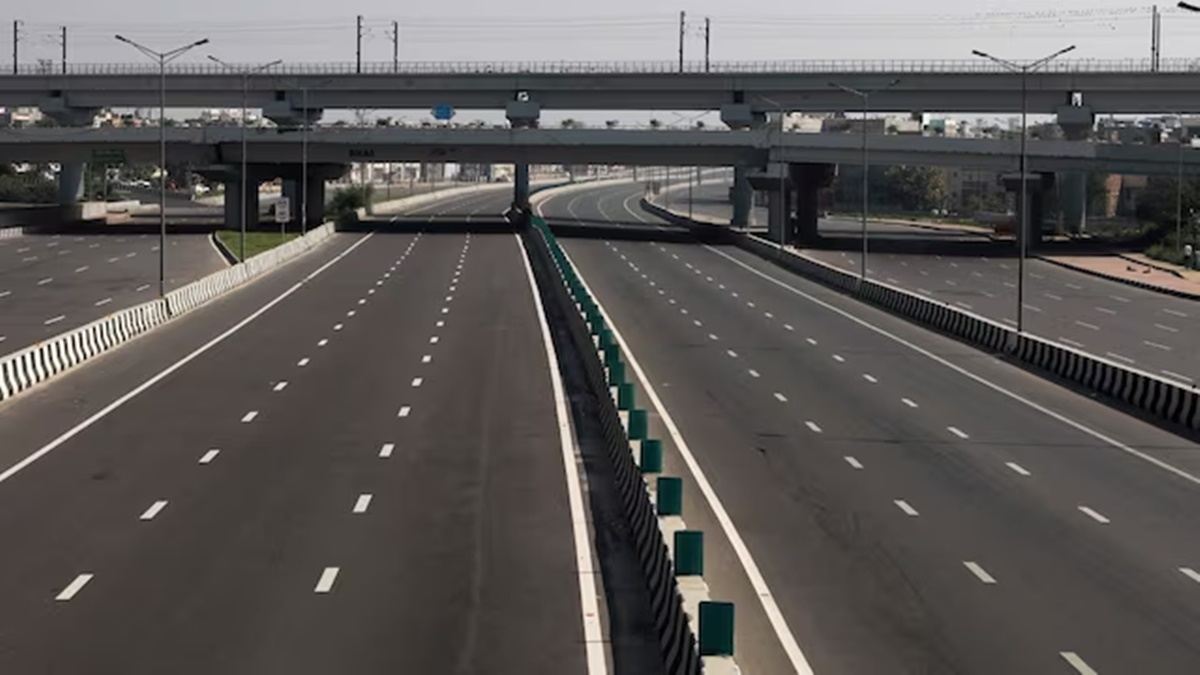
India’s highway expansion gathered pace in the first quarter of the financial year, with 2 108 km of national highways constructed—an increase of 8.9 percent over the same period last year. A surge in project awards and strategic planning by NHAI signals renewed momentum in the nation’s transport infrastructure. The National Highways Authority of India (NHAI) led construction efforts, building 1,092 km of new highways and awarding 167.5 km worth of projects within the quarter.
Complementary contributions came from NHIDCL—focusing on border and strategic connectivity—and the Ministry of Road Transport and Highways (MoRTH), which supports regional linkages and rural access. Despite the temporary pause in the flagship Bharatmala Pariyojana programme, this year’s first-quarter awards have exceeded last year’s level. The NHAI now aims to expedite bidding on 124 highway stretches spanning 6,376 km, valued at approximately ₹3.45 lakh crore—an ambitious pipeline supporting sustained infrastructure growth. Capital expenditure trends reinforce the commitment: out of a ₹2.72 lakh crore allocation, MoRTH disbursed over ₹59,368 crore by the end of May, underscoring strong fiscal delivery against delivery targets. Analysts view this pace as a strategic adjustment following election-related delays. By accelerating awards and completions, India is poised to unlock national economic corridors, facilitate low-carbon connectivity and balance urban–rural transport equity.
“NHAI’s aggressive award targets will be transformative,” noted a senior transport policy planner. “Fast-tracking infrastructure can decongest cities and give a fillip to regional manufacturing hubs, fostering sustainable economic growth.” NHIDCL’s role in terrain-sensitive and border roads enhances regional resilience. Meanwhile, MoRTH’s rural highway initiatives promote inclusive growth by linking remote and Naxal-affected communities to mainstream markets. Despite strong quarterly performance, execution risks persist. Clearing land, securing approvals and ensuring environmental safeguards—especially through ecologically fragile zones—requires robust governance. Experts recommend integrating green engineering measures, such as wildlife underpasses, stormwater systems and reforestation, to create resilient and eco-friendly highway corridors.
Citizen engagement through digital platforms and transparent bidding processes will bolster accountability. Continued focus on last-mile links—enabling cleaner logistics and equitable mobility—should remain central to India’s vision for sustainable road infrastructure.
Also Read : Rajasthan Set For Major Boost As Delhi Ahmedabad Bullet Train To Traverse Seven Districts 335 Villages
