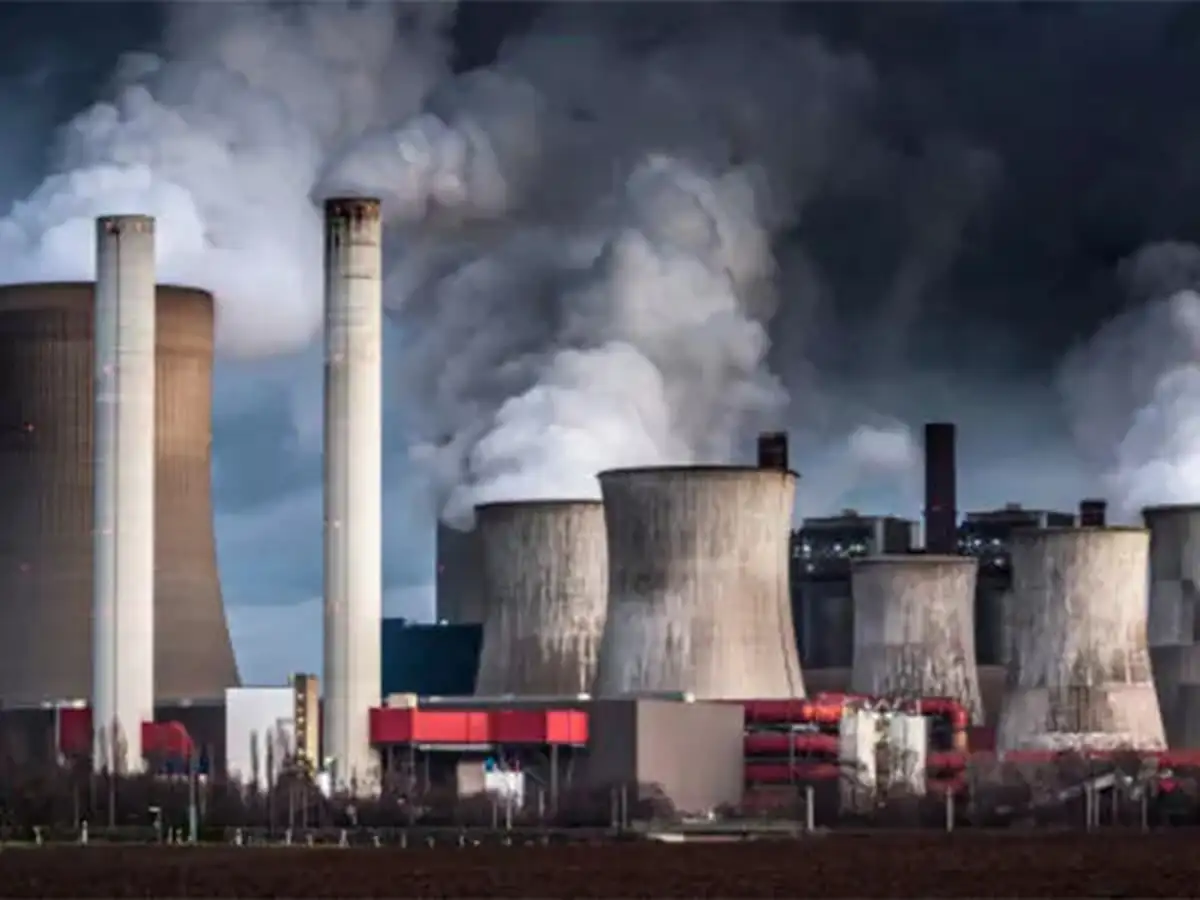
India’s Union Budget 2026–27 reaffirmed the centrality of domestic coal in national energy security even as policymakers expand support for clean energy, grid modernisation and decarbonisation technologies — a dual strategy that aims both to sustain reliable power and advance its climate commitments. The budget reflects a calibrated approach to energy governance in an era of rising electricity demand, industrial growth and urbanisation.
The fiscal blueprint underscores coal’s enduring role. India holds the world’s fifth-largest coal reserves, and domestic coal contributes roughly 55 per cent of the energy mix and over 70 per cent of electricity generation, according to official estimates and recent economic surveys. This structural dependence stems from coal-fired power’s ability to provide continuous baseload electricity — a critical factor for urban services, manufacturing hubs and expanding infrastructure corridors.The budget increased allocations for the Ministry of Coal substantially — by over 640 per cent compared to the previous year — underscoring a strategic priority for exploration, production and supply chain resilience. Enhanced funding is expected to support accelerated mine development, improved logistics and modern technologies such as coal gasification that can lower emissions while preserving energy security.
Policy analysts view these boosts as an acknowledgement of both energy demand growth and the transitional challenge India faces. While renewable capacity — including solar and wind — has expanded sharply and now accounts for nearly half of installed generation capacity, it cannot yet fully replace coal for round-the-clock supply, storage challenges and peak demand support. Coal’s role as an anchor fuel remains particularly salient in infrastructure-heavy states and industrial clusters.Yet the 2026–27 budget also signals a long-term shift. A significant ₹20,000 crore outlay for Carbon Capture, Utilisation and Storage (CCUS) technologies aims to decarbonise hard-to-abate sectors such as power, steel, cement and refineries while bolstering export competitiveness amid emerging global carbon standards. This strategic investment highlights the government’s effort to balance coal use with climate goals and international obligations.
Economists point out that stabilising energy security and enabling a managed transition are complementary rather than conflicting goals. Domestic production — more than 1 billion tonnes in recent years — has helped cut imports and strengthen fiscal buffers, reinforcing grid reliability. Meanwhile, expanded support for renewables, grid upgrades and clean technologies aims to diversify the energy mix and reduce long-term emissions intensity.However, the dual strategy carries trade-offs. Urban planners and sustainability experts caution that extending coal’s role without robust decarbonisation measures may challenge air quality targets and net-zero commitments. Effective deployment of CCUS at scale, investment in storage-enabled renewables, and policy incentives for cleaner industrial processes will be critical to harmonise energy security with climate resilience.
As India’s cities expand and infrastructure demand rises, the 2026 budget’s energy strategy illustrates a pragmatic, phased approach: safeguard reliable power today while building pathways toward a cleaner, more resilient energy future.