


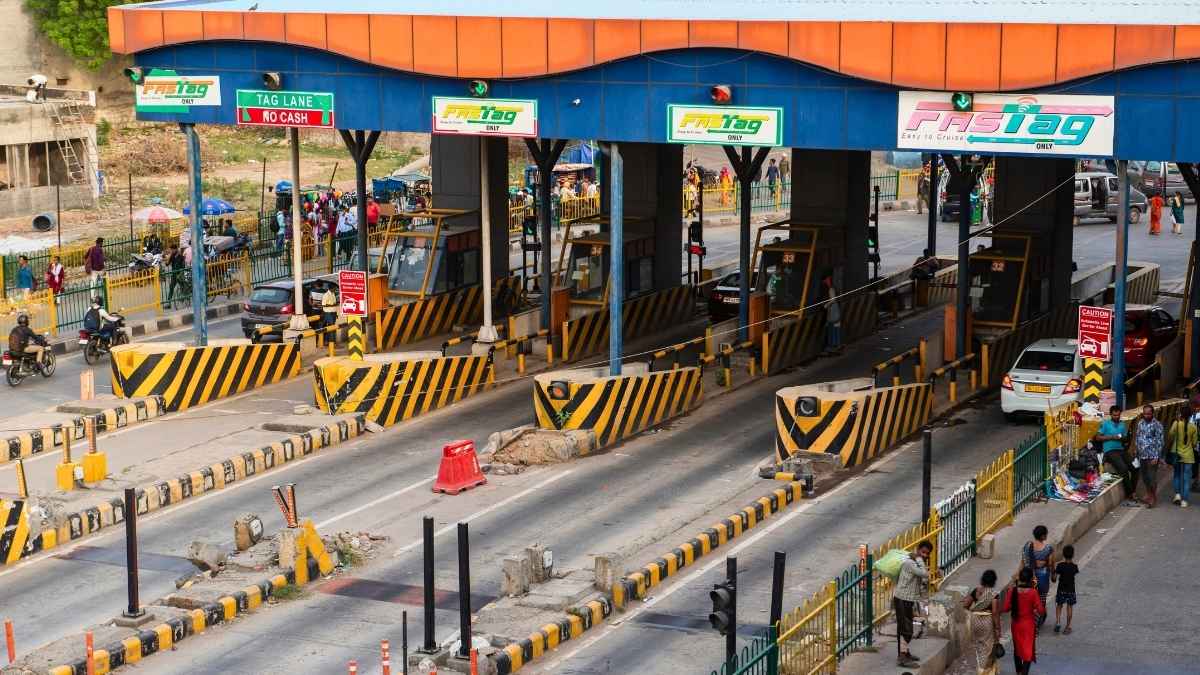
India’s Ministry of Road Transport and Highways is reportedly on the cusp of introducing a transformative annual toll pass system, a significant policy shift poised to redefine highway travel for private vehicle owners across the nation.
This proposed innovation, allowing unlimited travel on national highways for a single annual payment of ₹3,000, aims to usher in an era of enhanced convenience and cost-effectiveness, whilst simultaneously propelling India towards a more digitally integrated and environmentally conscious transportation ecosystem. This initiative reflects a strategic pivot towards streamlining vehicular movement, mitigating congestion, and fostering a seamless travel experience, crucial for a nation charting its course towards sustainable urbanisation and reduced carbon footprints. The proposed “FASTag Annual Toll Pass” embodies a vision to supersede the current transactional pay-per-journey model, which often contributes to vehicular queues and operational inefficiencies at toll plazas. Under this new scheme, private vehicle owners would acquire a yearly pass, liberating them from recurring toll deductions and the associated logistical challenges. This fixed-fee mechanism is designed to eliminate the cumbersome task of frequently recharging FASTag accounts and meticulously tracking individual toll expenditures. By offering unrestricted access to all national highways, expressways, and state expressways for an entire year, the system is particularly advantageous for frequent commuters and commercial transportation providers, promising significant operational cost savings and reduced transit times.
Beyond the fixed annual pass, the Ministry is also reportedly considering a distance-based pricing alternative, a flexible ‘pay-as-you-go’ model tailored for less frequent highway users. This option, potentially set at ₹50 for every 100 kilometres travelled, ensures proportionality in charges, preventing periodic users from being burdened by a uniform annual fee that might far exceed their actual usage. This dual-pricing strategy underscores a commitment to equitable access and user-centric design, aligning with principles of economic fairness and catering to the diverse travel patterns across the Indian populace. Such flexible models are vital in creating truly inclusive urban and peri-urban mobility solutions.
A critical aspect of this proposed evolution lies in its seamless integration with the existing FASTag infrastructure. Officials indicate that vehicle owners already utilising FASTags will not be required to furnish additional documentation or undertake complex account updates to transition to the new annual pass system. This ensures continuity for millions of existing FASTag users, mitigating potential disruptions and fostering a smooth adoption process. Furthermore, the earlier proposal for a ₹30,000 lifetime FASTag valid for 15 years has reportedly been shelved, signalling a strategic shift towards more flexible and user-friendly tolling models that are responsive to contemporary travel demands. This pragmatic approach underscores a commitment to iterative policy development grounded in user feedback and operational efficacy.
The ripple effect of this policy extends to the very architecture of India’s toll plazas. A key intention is the eventual elimination of physical toll barriers, transitioning towards a fully barrier-free tolling regime. This innovation, likely leveraging advanced technologies such as automatic number plate recognition (ANPR) or GPS-enabled tracking, would enable vehicles to traverse toll zones at regular speeds without the need for stopping. The environmental dividends of such a transition are substantial: reduced traffic congestion, minimised vehicle idling, and a significant curtailment of fuel waste and associated carbon emissions. This commitment to ‘zero net carbon’ pathways aligns with broader national and global sustainability objectives, envisioning cleaner, greener urban environments.
While the planning for this transformative tolling system appears well advanced, the government has yet to issue an official statement detailing its specific parameters or implementation timeline. This anticipation underscores the public and industry’s keen interest in a policy that holds the potential to profoundly impact daily commutes and long-distance travel. Should it materialise as anticipated, India’s proposed annual FASTag pass represents a significant leap towards a more efficient, economically viable, and ecologically responsible road transportation network, a critical step in building smarter, more sustainable, and equitable cities for all its citizens.
Also Read: Mangaluru National Highway Traffic Eases Ahead of Monsoon
