


India’s urban infrastructure overhaul is entering a deeper phase as AMRUT 2.0 scales investments in water supply, sewerage and reuse systems across hundreds of cities, positioning water security at the centre of urban growth and climate resilience.
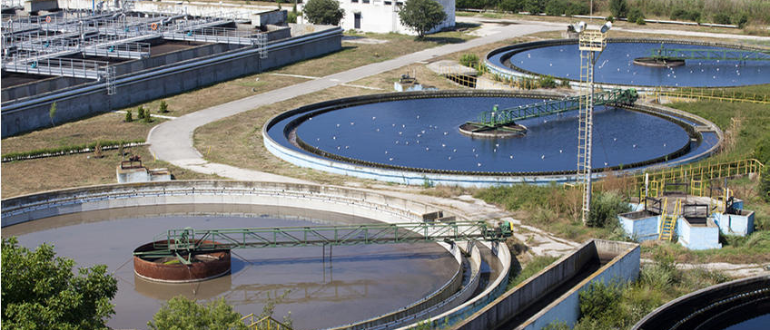
Launched in 2015 and later expanded nationwide, the Atal Mission for Rejuvenation and Urban Transformation has shifted the focus of city planning from ad hoc upgrades to integrated service delivery. Public data show that the largest share of funding under the programme has gone to drinking water networks and wastewater management sectors long seen as the weakest links in India’s urban transition. Urban planners note that the logic is straightforward. A large portion of treated water supplied to homes returns as wastewater. Without adequate treatment capacity, that effluent contaminates rivers, lakes and aquifers, undermining both public health and long-term water availability. Under AMRUT and now AMRUT 2.0, thousands of crores have been channelled into expanding sewage treatment plants, laying trunk sewer lines and connecting households to formal networks. Officials indicate that several thousand million litres per day of additional sewage treatment capacity have either been created or are under construction. Just as significant is the push towards recycling. Cities are increasingly diverting treated wastewater for industrial use, horticulture and agriculture, reducing pressure on freshwater sources a critical shift as climate variability intensifies water stress. The second phase of the mission widens its reach to all urban local bodies and places explicit emphasis on making cities “water secure”. State-level action plans now include extensive pipeline replacement, augmentation of water treatment facilities and expansion of household tap connections. Millions of new urban households have been brought onto formal water grids, and tens of thousands of kilometres of distribution lines have been laid or upgraded.
AMRUT 2.0 also marks a behavioural pivot. The “Drink from Tap” initiative aims to ensure potable quality at the consumer end, signalling higher service standards and reducing dependence on packaged water. Industry experts say such shifts can lower household expenditure while curbing plastic waste aligning infrastructure delivery with environmental outcomes. Another structural change is community participation. Women-led self-help groups are being integrated into water quality monitoring and demand management, reflecting a governance model that links infrastructure with social inclusion. For India’s real estate and infrastructure sectors, the implications are significant. Reliable water and sewerage systems underpin property values, attract private investment and improve liveability. As urban populations rise, the credibility of AMRUT 2.0 will rest not only on assets built, but on sustained operation, financial viability and measurable improvements in service quality.
The next phase of urban reform will test whether India can convert large-scale capital expenditure into resilient, low-carbon water systems that support both economic growth and equitable access.
Also Read: India strengthens affordable housing finance reforms
India AMRUT 2.0 Reshapes City Infrastructure
